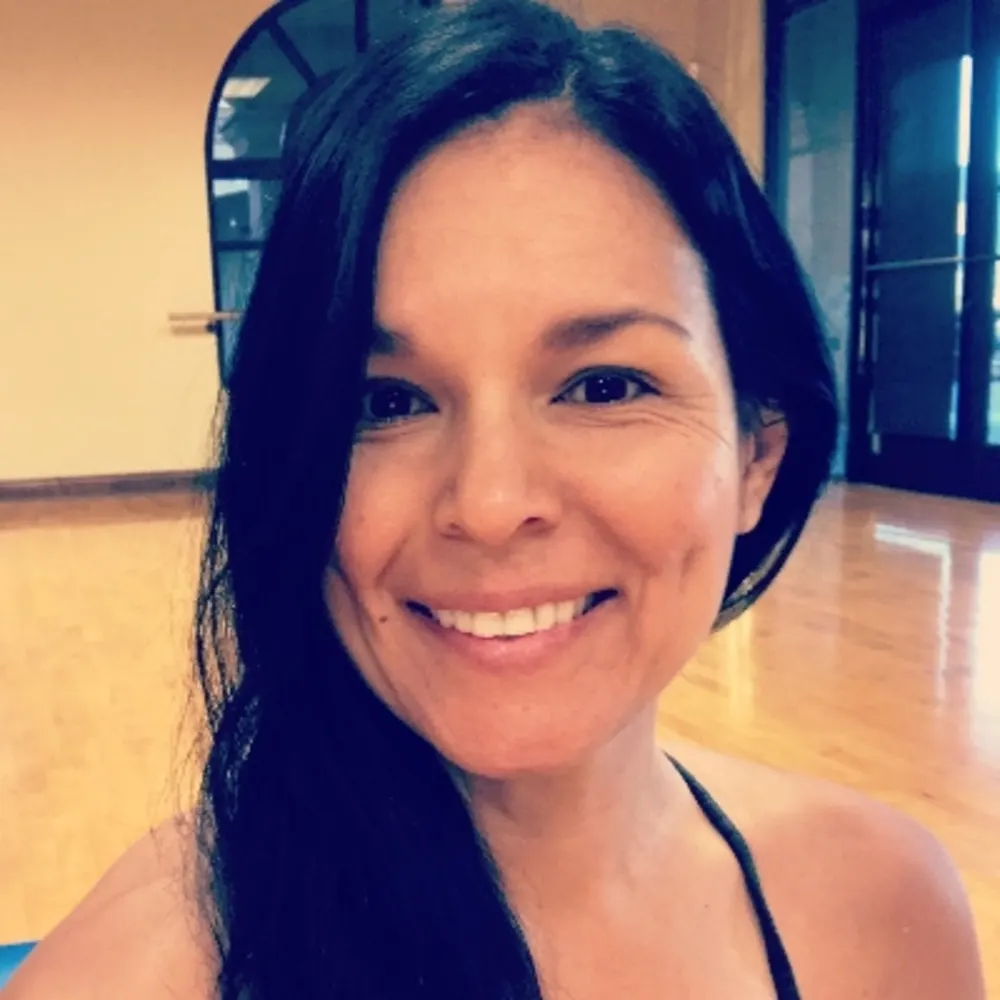
Patience In The Mourning
About
Grief often gets stuck in the body and, when not actively cared for, can manifest as unhelpful behaviors, thoughts, movement, sleep, and more, eventually causing health problems. Did you know that when someone you love dies or a significant relationship ends, your risk of a heart attack increases? Yoga with Patience is integrative grief yoga coaching that helps you safely feel, listen to, and move your body in the ways you want and need. Sessions are trauma-informed, non-clinical grief coaching that integrates psychoeducation, somatic movement, yoga, and reflective practices. They are distinct from therapy and not therapy, yet deeply informed by grief science. They are designed to support the grieving mind, body, and heart through loss.
Specialties
Frequency
Clients age
Coaching topic
Previous coaching experience
Reviews
Brian s.
RICARDO.GONZALEZ
Anna W.
Frequently asked questions
What is your typical process for working with a new student?
All sessions include a few minutes exploring how you are doing.
Then the type of practice is decided, such as whether there is a need for more meditation, relaxation, movement, or reflection.
From there, we get to your personalized session.
What education and/or training do you have that relates to your work?
I am a grief, trauma and resilience life coach, Grief Movement Guide, and a Yoga Alliance Registered 500 Hour Yoga Teacher, an approved trainer. Teaching compassionate yoga since 2013, and Grief practices since 2023.
I enjoy and appreciate teaching with an integrative approach to yoga: Breathwork, Felt Sense, Mindfulness, Meditation, Stress Management
Trained in the Below Yoga Modalities:
Hatha, Gentle, Grief, Nidra, Restorative, Trauma, and Yin
Specialized Trainings:
Grief Movement Guide
Grief Life Coach Stress Management 300 Hour Healing Yoga Therapist training 200 Hour Yoga TeacherEmbodied and Trauma-Informed Yoga
Children's Mindfulness and Yoga
Trauma-Informed Adult and Children's Yoga
Yoga for Athletes Women's Menopause Coaching SpecialistDo you have a standard pricing system for your lessons? If so, please share the details here.
Sessions are held online via Zoom or for locals in person.
How did you get started teaching?
In 2004/2005, I found trauma-sensitive and therapeutic yoga while receiving cognitive treatment for PTSD and traumatic grief after the homicide of a sibling. The practices helped me overcome physical ailments, panic attacks, mysterious aches and pains, vomiting, and night terrors. I began to learn how to care for my painful feelings and moved from pushing my strong, capable body through vigorous hiking, running, and weight training to kinder methods that helped me develop greater self-awareness, self-regulation, self-responsibility, flexibility, agility, and, most importantly, self-compassion. It was a miracle to have my body returned to me. At the time, there was no yoga specifically for grief, and resources for trauma and grief were limited. I knew that, at some point, I'd share yoga with others to help them with traumatic grief and losses.
In 2013, after the sudden death of my father, I began teaching. After the death of my domestic partner in 2017, I began deepening my healing, education, and understanding of trauma and grief while raising grieving children. In 2023, I started teaching Grief Movement after my mother died, and in 2025, I began integrating grief coaching into my work, as well as serving as a volunteer grief facilitator and mentor.What types of students have you worked with?
Grieving widows between 25-60, children, tweens, teens
I have a fingerprint clearance card. Types of loss: sibling, parent, spouse, coparent, anticipatory loss/death, as well as separation-divorce, trauma (all trauma needs grief support).
Describe a recent event you are fond of.
Practicing yoga with my own family, as well as exploring my go-to healing places as a child and young adult - nature and national parks.
What advice would you give a student looking to hire a teacher in your area of expertise?
Keep an open mind and feel free to try a variety of teachers and styles, you'll enjoy them and learn in the process.
Yoga is a personal practice. Find a teacher who resonates with you. A place and teacher you look forward to seeing and feel safe and comfortable with.
Yoga is fun and can be incredibly healing, as well as change the way you think, feel, and perceive yourself and the world.
Learning to be and being true to yourself is of utmost importance in the practice of yoga and life. Keep showing up, even on days you might only do 25% of the practice. I always invite my students to respect and listen to their bodies as this rebuilds and nourishes the mind, body, and heart connection, which is often disrupted after trauma and loss- it isn't about what I tell them to do, it is how their body and mind are feeling. Do what you can and honor yourself and your grief where you are.
Ask questions, let go of judgments, invite in honest curiosity, and use your voice - get to know a teacher if you want to, and let them get to know you if you feel safe doing so.
What questions should students think through before talking to teachers about their needs?
What are your fears/concerns?
What is the one most important thing you would like to experience, learn, and/or walk away with?
Any injuries or health concerns you have