
The Best 70s Rock Bands
The Best 70s Rock Bands

The top 70s bands
If you've ever cranked up "Stairway to Heaven" or air-guitared to "Back in Black," you know there's something magical about 70s rock. The 1970s revolutionized the entire rock landscape, giving us some of the most iconic bands and unforgettable anthems in music history.
From larger-than-life arena acts to gritty punk pioneers, the best 70s rock bands left a mark that still resonates today. Let's revisit the legends who gave us timeless albums and performances that shook the world.
Why the 70s were a golden age of rock
The 1970s represented rock music's creative explosion. Following the experimental 60s, the 70s took everything that came before and amplified it, literally and figuratively. Artists had better recording technology, bigger budgets, and the creative freedom to push boundaries like never before.
In the 70s, rock splintered into countless subgenres: progressive rock stretched songs into epic journeys, punk rock stripped everything down to raw energy, hard rock turned up the volume to eleven, and glam rock made spectacle an art form. Stadium tours became massive cultural events, and rock bands weren't just musicians, they were larger-than-life legends.
The 70s gave us guitar solos that melted faces, drum fills that shook arenas, and lyrics that spoke to an entire generation. It was a decade where creativity met rebellion, and the results still echo through music today.
The legendary classic rock bands
Led Zeppelin
Led Zeppelin set the gold standard for hard rock. With Robert Plant's soaring vocals, Jimmy Page's electrifying guitar work, John Paul Jones's bass and keyboards, and John Bonham's thunderous drumming, they created a sound that was both mystical and ferocious.
Their albums Led Zeppelin IV and Physical Graffiti are rock essentials, featuring anthems like "Stairway to Heaven," "Kashmir," and "Whole Lotta Love." They seamlessly blended blues, folk, and hard rock into something entirely their own, influencing everything from heavy metal to grunge.
The Rolling Stones
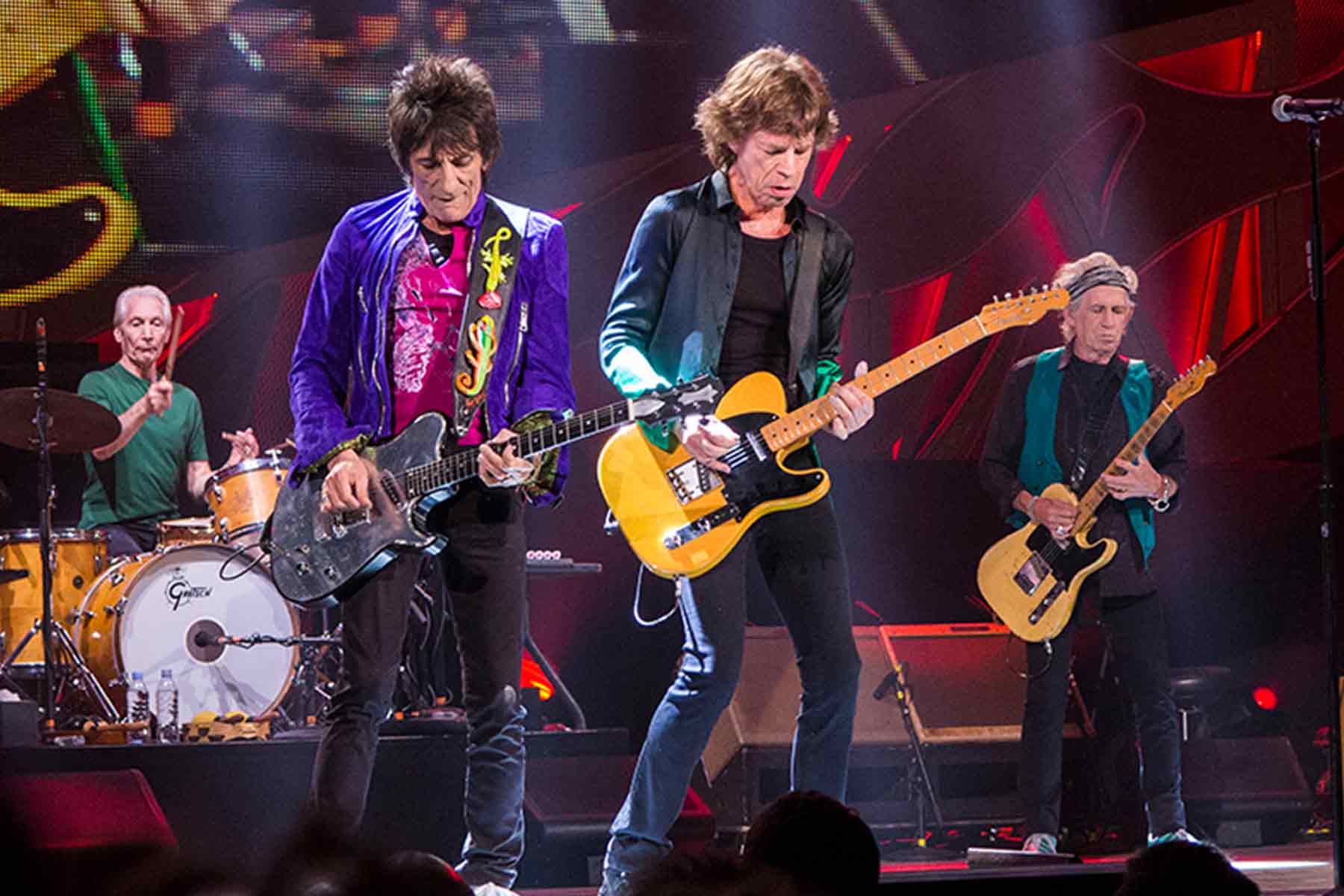
The Rolling Stones entered the 70s as rock royalty and somehow managed to get even better. While other 60s bands faded, the Stones released some of their finest work during this decade, including Sticky Fingers and Exile on Main St.
Mick Jagger's swagger, Keith Richards's gritty riffs, and the band's bluesy rock foundation made them unstoppable. Songs like "Brown Sugar," "Tumbling Dice," and "Angie" proved they could do everything from raw rockers to tender ballads. The Stones kept rock dangerous, rebellious, and endlessly cool.
The Who
The Who transformed rock into theater, bringing an explosive energy to rock that few could match. Known for smashing instruments on stage, they also pioneered the concept of the "rock opera" with albums like Tommy and Quadrophenia.
With Pete Townshend's guitar windmills, Roger Daltrey's powerhouse vocals, and Keith Moon's wild drumming, they combined chaos with precision. Tracks like "Baba O'Riley" and "Won't Get Fooled Again" became defining anthems of the decade.
The pioneers of progressive rock
Pink Floyd
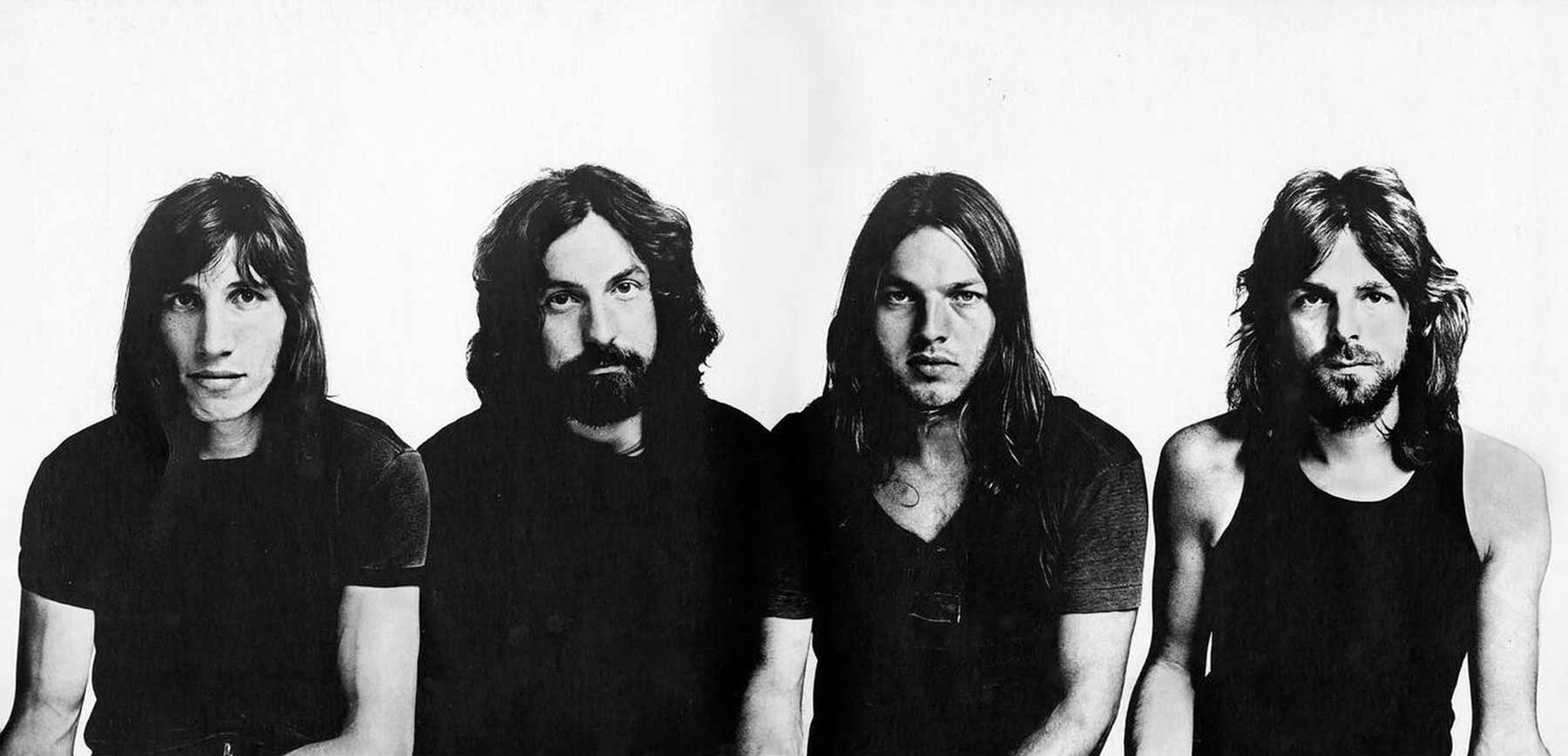
Pink Floyd transformed rock into an immersive sonic experience. Their groundbreaking 1973 album The Dark Side of the Moon became one of the best-selling albums of all time, incorporating sound effects, extended instrumentals, and deep themes about life, loss, and mental health.
With Roger Waters's conceptual vision, David Gilmour's soaring guitar work, and innovative studio techniques, Pink Floyd created atmospheric soundscapes that explored deep themes like mental illness, greed, and mortality. Wish You Were Here and The Wall continued their streak of groundbreaking concept albums that were as much art installations as they were music.
Yes
Yes took progressive rock to dizzying heights with their technical proficiency and complex arrangements. Songs could stretch beyond 20 minutes, featuring multiple movements and showcasing virtuoso musicianship from every band member. Their soaring harmonies and complex compositions showed rock could be symphonic and sophisticated.
Albums like The Yes Album, Fragile, and Close to the Edge featured Jon Anderson's distinctive vocals, Steve Howe's intricate guitar work, and Rick Wakeman's elaborate keyboard solos. Yes proved that rock could be sophisticated and challenging while still being incredibly enjoyable.
Genesis
Before Phil Collins became a pop superstar, Genesis was one of progressive rock's most theatrical bands. With Peter Gabriel as the original frontman, Genesis created elaborate concept albums featuring fantastical storytelling and complex musical arrangements.
Albums like Selling England by the Pound and The Lamb Lies Down on Broadway showcased their narrative ambition. Even after Gabriel's departure in 1975, Genesis continued evolving their progressive sound throughout the decade, demonstrating remarkable versatility.
The kings and queens of hard rock
Queen
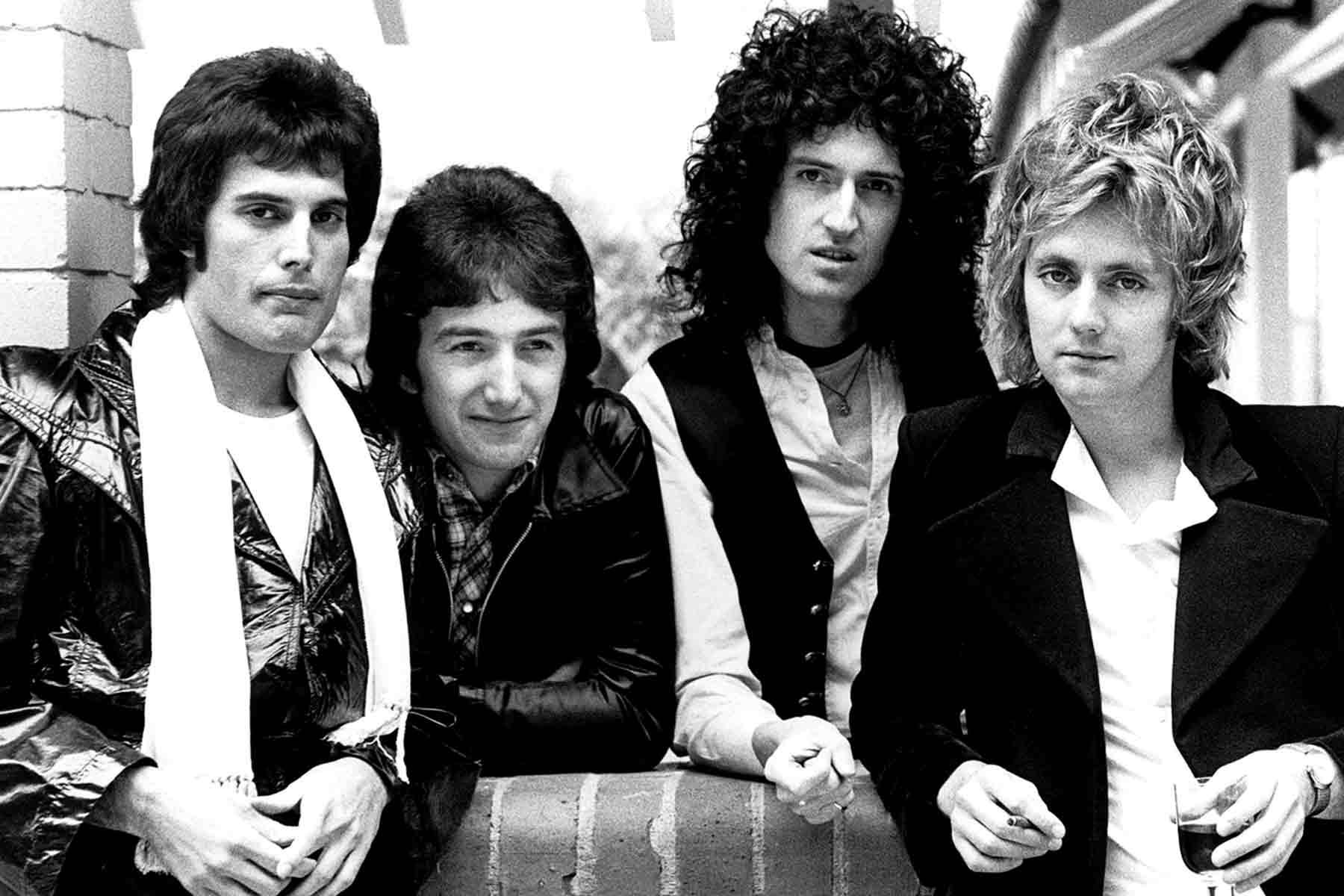
Queen didn't just rock, they ruled. Freddie Mercury's four-octave vocal range and electrifying stage presence, Brian May's distinctive guitar sound, and the band's genre-bending approach made them unlike anything else. Their theatrical live shows, especially at stadiums, made them legends.
"Bohemian Rhapsody" alone redefined what a rock song could be, blending opera, ballad, and hard rock into six minutes of pure genius. Albums like A Night at the Opera and News of the World (featuring "We Will Rock You" and "We Are the Champions") cemented their legendary status. Queen proved rock could be theatrical, bombastic, endlessly fun, and absolutely magnificent.
Aerosmith
Aerosmith emerged as America's answer to the British rock invasion. The band brought a raw, blues-infused energy that was unmistakably their own. Steven Tyler's raspy howl and Joe Perry's riff-heavy guitar work created a partnership that defined American hard rock.
"Dream On," "Sweet Emotion," and "Walk This Way" became instant classics, while albums like Toys in the Attic and Rocks established Aerosmith as arena rock titans. They bridged blues rock and arena rock, influencing countless bands that followed. Their blend of swagger and serious musical chops made them one of the decade's most exciting live acts.
AC/DC
Nothing embodies pure, unadulterated rock and roll quite like AC/DC. This Australian powerhouse kept things simple and devastatingly effective, stripping rock down to its core with thunderous riffs, pounding rhythms, and pure energy.
With Bon Scott's rebellious vocals and the Young brothers' crushing guitar work, AC/DC created anthems like "Highway to Hell" and "Whole Lotta Rosie." Their 1979 album Highway to Hell perfected their formula just before tragedy struck.
When Brian Johnson replaced Scott in 1980, AC/DC released Back in Black, one of the best-selling albums of all time, though technically that masterpiece belongs to the following decade.
Black Sabbath
If Led Zeppelin were the architects of hard rock, Black Sabbath laid the foundation for heavy metal. With Tony Iommi’s crushing riffs and Ozzy Osbourne’s eerie vocals, albums like Paranoid, Master of Reality, and Sabbath Bloody Sabbath launched an entire genre. Their influence on metal and darker subgenres is immeasurable.
The rise of punk and garage rock
The Ramones
When rock threatened to become too complicated and self-indulgent, the Ramones stripped it back to its raw essence and kickstarted punk with their no-frills style. Their 1976 debut album clocked in at just 29 minutes but changed music forever, creating a blueprint for punk that influenced generations of bands worldwide.
With leather jackets, bowl cuts, and three-chord songs played at breakneck speed, the Ramones rejected everything rock had become. Songs like "Blitzkrieg Bop," "I Wanna Be Sedated," and "Rockaway Beach" proved you didn't need technical wizardry to create something powerful and memorable.
The Clash
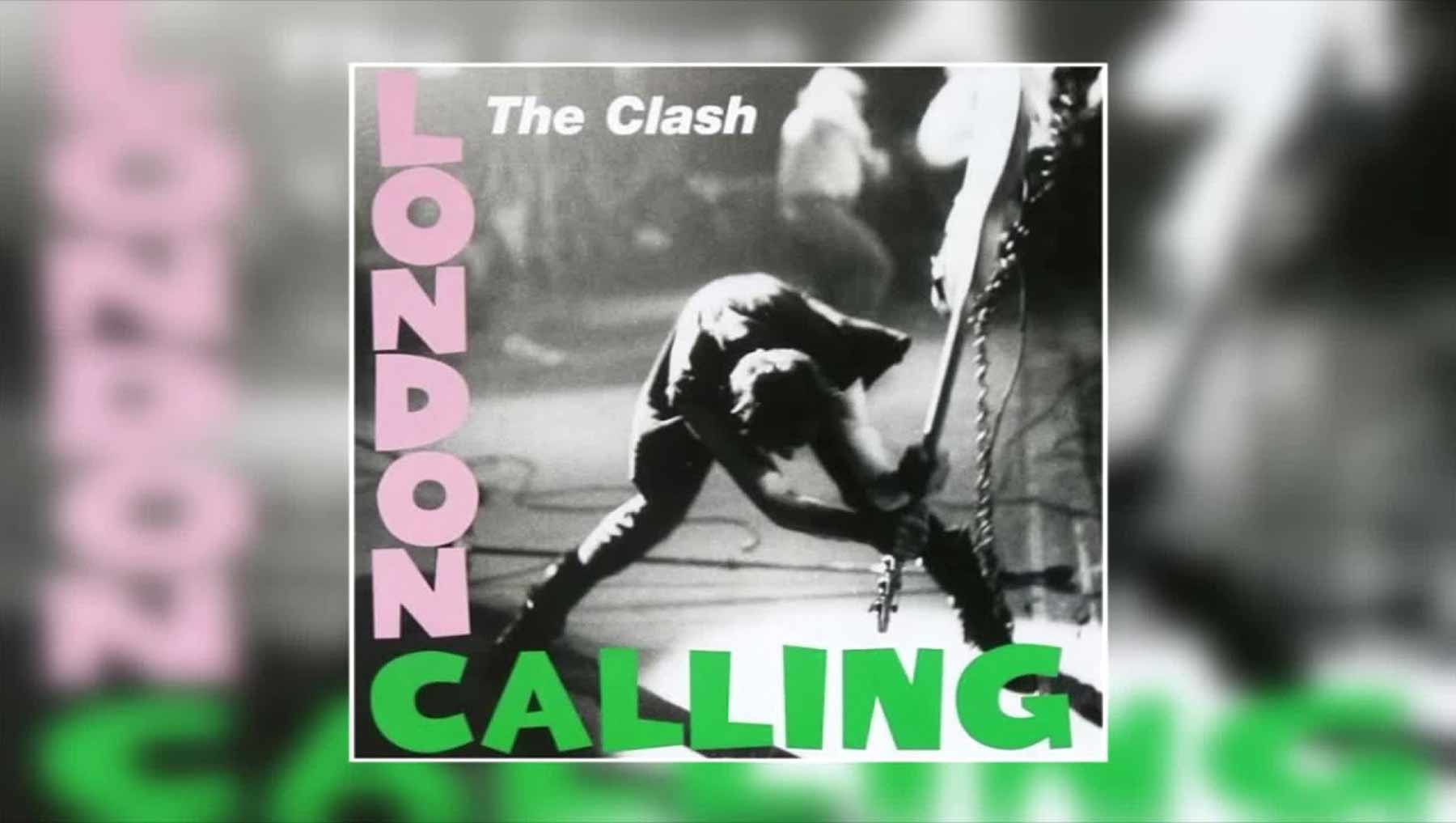
The Clash brought intelligence and political consciousness to punk rock. While they embraced punk's raw energy, they incorporated reggae, ska, and rockabilly, making them one of the genre's most musically diverse bands.
London Calling became one of rock's greatest albums, featuring everything from punk anthems to reggae, ska, and jazz-influenced experiments. Joe Strummer's passionate vocals and the band's socially conscious lyrics made them more than just another punk band.
The Clash were revolutionaries with guitars. Their songs remain cultural touchstones, keeping their message alive decades later.
Sex Pistols
The Sex Pistols burned bright and fast, but their brief existence was seismic. Their 1977 album Never Mind the Bollocks, Here's the Sex Pistols was a middle finger to the establishment and everything rock had become.
With Johnny Rotten's sneering vocals and the band's deliberately provocative attitude, the Sex Pistols created controversy wherever they went. "Anarchy in the U.K." and "God Save the Queen" were cultural grenades that exploded the pretensions of 70s rock and inspired countless bands to follow.
The glam rock icons
David Bowie
David Bowie was more than a musician. He was a rock chameleon, constantly reinventing himself and pushing artistic boundaries. His early 70s Ziggy Stardust persona revolutionized rock's visual presentation, proving that image and theatricality could be as important as the music itself.
Albums like The Rise and Fall of Ziggy Stardust and the Spiders from Mars, Aladdin Sane, and Diamond Dogs highlighted his artistic fearlessness.
Bowie seamlessly moved from glam rock to soul to experimental rock, influencing countless artists and helping create entire genres along the way. His ability to reinvent himself musically and visually influenced not just rock but fashion, film, and culture.

T. Rex
Marc Bolan and T. Rex brought glam rock to the masses with infectious, stripped-down rock and roll wrapped in glitter and attitude. "Bang a Gong (Get It On)" became an anthem of the glam era, combining primal rock with Bolan's distinctive vocal style.
T. Rex's approach was simpler than Bowie's but no less effective. They proved that glam didn't need to be complicated, it just needed to be fun, catchy, and dripping with style.
KISS
KISS took theatricality to unprecedented levels. With their kabuki-inspired makeup, pyrotechnics, blood-spitting, and fire-breathing, KISS turned rock concerts into full-blown spectacles.
But beneath the costumes was genuine hard rock. "Rock and Roll All Nite," "Detroit Rock City," and "Love Gun" were fist-pumping anthems that made them one of the decade's biggest live acts. KISS proved rock and roll could be both serious music and outrageous entertainment.
Southern rock and American roots
Lynyrd Skynyrd
Lynyrd Skynyrd channeled the spirit of the American South into blues-infused rock that was both gritty and graceful. "Free Bird" became an anthem with its legendary nine-minute guitar solo, while "Sweet Home Alabama" became the South's unofficial soundtrack.
Their triple-guitar attack and Ronnie Van Zant's storytelling vocals created a sound that was distinctly American. Tragedy struck in 1977 when a plane crash claimed Van Zant and other band members, but their legacy as Southern rock pioneers remains untouchable.
The Allman Brothers Band
The Allman Brothers Band pioneered Southern rock by blending blues, jazz, and country into extended improvisational jams that displayed extraordinary musicianship. Duane Allman's slide guitar work influenced generations of guitarists before his tragic death in 1971.
At Fillmore East captured their live power and became one of rock's greatest concert albums. Songs like "Whipping Post" and "Midnight Rider" demonstrated their ability to create both intense rockers and soulful ballads.
Eagles
The Eagles polished California-style country-rock into radio-friendly perfection. Their harmonies were immaculate, their songwriting was sharp, and their albums sold by the millions.
"Hotel California" became one of rock's most iconic songs, featuring mysterious lyrics and one of the greatest guitar solos ever recorded. Albums like Desperado and One of These Nights showcased their ability to craft songs that were both commercially successful and artistically satisfying.

Other unforgettable 70s rock bands
Fleetwood Mac
Fleetwood Mac's Rumours became one of the best-selling albums of all time, and for good reason. The album's creation was fueled by the band's internal romantic turmoil, resulting in emotionally raw songs that resonated with millions.
Tracks like "Go Your Own Way," "Dreams," and "Don't Stop" combined perfect pop sensibilities with rock edge. The chemistry between Stevie Nicks, Lindsey Buckingham, Christine McVie, and the rhythm section created something magical that defined the softer side of 70s rock.
Boston
Boston's self-titled 1976 debut album was a masterclass in precision rock production. Tom Scholz's meticulously crafted guitar sound created an instantly recognizable sonic signature.
"More Than a Feeling" became one of rock's most beloved songs, combining soaring guitars with irresistible melodies. Boston proved studio perfection and rock authenticity weren't mutually exclusive.
Deep Purple
Deep Purple brought classical music influences into hard rock, creating a sound that was both sophisticated and crushing. Ritchie Blackmore's guitar work and Jon Lord's Hammond organ created a distinctive sound that influenced heavy metal's development.
"Smoke on the Water" features one of rock's most famous riffs, one that countless aspiring guitarists have learned as their first song. Albums like Machine Head and In Rock established them as hard rock's "Holy Trinity" with Led Zeppelin and Black Sabbath.
Why 70s rock still rules today
The 70s represented rock at its most ambitious and diverse. The songs are timeless, the performances were passionate, and the creativity was boundless. These bands created anthems that defined a generation and inspire new ones. They proved rock music could be art, rebellion, entertainment, and pure emotion all at once.
Play like the legends of the 70s
Listening to the best 70s rock bands is inspiring, but why just listen when you can play? Whether you dream of nailing Jimmy Page's guitar riffs, singing like Freddie Mercury, or pounding out drum fills like John Bonham, learning from a skilled teacher can help you get there.
Book a session today and start your own journey into the timeless world of music from the 70s. Rock on!
Using our proprietary cost database, in-depth research, and collaboration with industry experts, we deliver accurate, up-to-date pricing and insights you can trust, every time.