
Famous Latin Phrases and Quotes You Should Know
Famous Latin Phrases and Quotes You Should Know

Popular Latin phrases everyone should know
Let's start with the classic phrases you've probably heard but might not fully understand.
Carpe diem: Seize the day
Carpe diem might be the most famous Latin phrase in popular culture. Originating from the Roman poet Horace, the complete phrase is "carpe diem, quam minimum credula postero," which translates to "seize the day, trusting as little as possible in tomorrow."
It's not just about living recklessly or throwing caution to the wind. Instead, it encourages us to embrace the present moment and not postpone life for an uncertain future.
Veni, vidi, vici: I came, I saw, I conquered
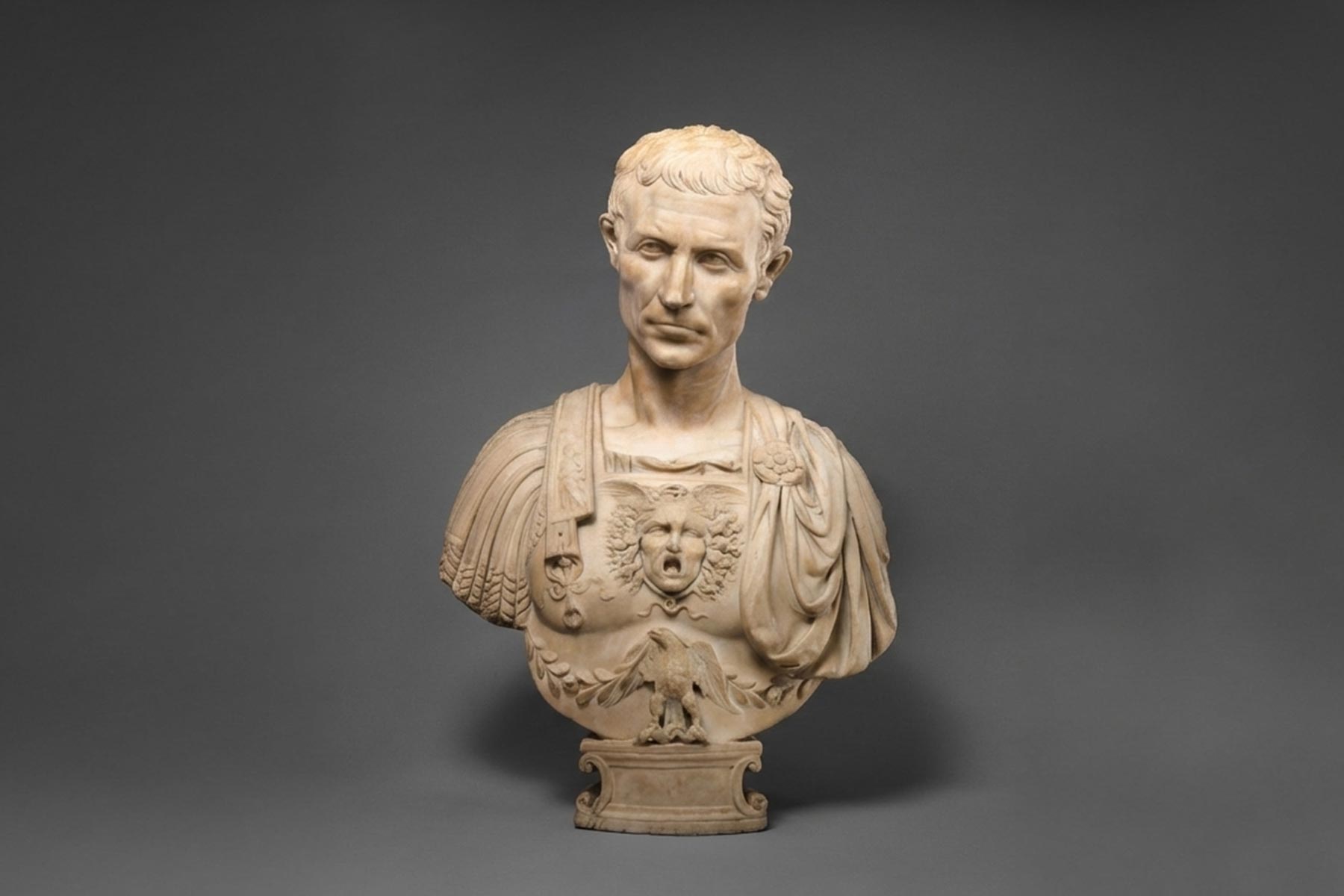
Julius Caesar wasn't known for modesty, and this phrase proves it. After a swift victory in the Battle of Zela in 47 BC, Caesar sent this three-word message to the Roman Senate. Today, we use it to describe any situation where someone achieves quick, decisive success.
Et cetera: And so forth
You've definitely seen "etc." at the end of lists, but did you know it's actually Latin for "and the rest" or "and other things"? It's one of those Latin phrases so embedded in English we barely recognize it as foreign anymore.
E pluribus unum: Out of many, one
Found on U.S. currency and the Great Seal, this phrase represents the concept of unity from diversity. Originally referring to the thirteen colonies forming one nation, it captures a powerful idea about strength through unity.
Ad hoc: For this purpose
You've probably heard this phrase in business meetings or seen it in committee names. "Ad hoc" means "for this" or "for this specific purpose." It describes something created or done for a particular situation without planning for long-term use.
Latin phrases for success and courage
Need a motivational boost? The Romans had plenty of phrases to inspire courage and determination.
Audentes fortuna iuvat: Fortune favors the bold
Sometimes written as "audaces fortuna iuvat," this phrase from Virgil's "Aeneid" encourages taking calculated risks. It's not about recklessness but about having the courage to act when opportunity presents itself. Think of it as ancient Rome's "you miss 100% of the shots you don't take."
Per aspera ad astra: Through hardships to the stars
This phrase acknowledges that the path to greatness involves struggle and challenges. It has been adopted as a motto by various space programs and military units, perfectly capturing the idea that worthy goals require perseverance through difficulty.
Dum spiro, spero: While I breathe, I hope
A beautiful expression of resilience, this phrase reminds us that as long as we're alive, there's reason to hope. It's the official motto of South Carolina and has inspired countless people facing difficult circumstances.
Vincit qui se vincit: He conquers who conquers himself
Self-mastery is the greatest victory, and that's the wisdom embedded in this phrase. It suggests that controlling your own desires, fears, and impulses is more challenging and important than any external conquest.
Latin phrases about wisdom and knowledge
The Romans were philosophers at heart, and many of their most enduring phrases deal with wisdom, learning, and the pursuit of knowledge.
Cogito, ergo sum: I think, therefore I am
While this phrase is actually from René Descartes' 17th-century philosophical work, he wrote it in Latin to reach a scholarly audience. It's the foundation of modern philosophy, asserting that the very act of thinking proves our existence.

Nosce te ipsum: Know thyself
This phrase, translated from Greek and inscribed at the Temple of Delphi, reminds us that self-awareness is the beginning of wisdom. It encourages honest introspection about our strengths, weaknesses, and true nature.
Ex nihilo nihil fit: Nothing comes from nothing
This philosophical principle, attributed to Lucretius, captures a fundamental truth about cause and effect. Everything has an origin, and nothing appears out of thin air. It's both a scientific principle and a reminder that achievement requires effort.
Latin phrases about life, love, and death
Romans had a remarkably clear-eyed view of love, life, and mortality, which produced some of their most poignant expressions.
Amor vincit omnia: Love conquers all
From Virgil's "Eclogues," this romantic phrase expresses the belief that love can overcome any obstacle. It's been used in countless contexts — from wedding vows to literary works — celebrating love's transformative power.

Tempus fugit: Time flies
We've all felt this, especially as we get older. This simple phrase captures the fleeting nature of time and serves as a reminder not to waste precious moments. It's carved on sundials around the world as a poetic warning.
Memento mori: Remember you must die
Before you think this is morbid, consider its purpose. Roman generals celebrating military victories would have a servant whisper "memento mori" in their ear during triumphal parades, reminding them not to become too proud or forget their humanity.
Today, it's a philosophical tool to help us focus on what truly matters. When you remember life is finite, you stop sweating the small stuff.
Ars longa, vita brevis: Art is long, life is short
Attributed to Hippocrates (and later translated into Latin), this phrase originally referred to how mastering the art of medicine takes longer than a human lifetime. Now, it has expanded to mean that while our individual lives are short, the works we create can endure for generations.
Latin phrases in law and justice
Latin's influence on legal terminology is massive. Here are phrases you'll hear in courtrooms and legal documents.
Habeas corpus: You shall have the body
This fundamental legal principle protects against unlawful detention. It requires authorities to bring a prisoner before a court and justify why the individual is being held. It's a cornerstone of individual liberty in democratic societies.
Quid pro quo: Something for something
This phrase describes an exchange where one thing is given in return for another. In modern usage, it often has negative connotations, especially in political or legal contexts, but it simply describes the nature of many transactions and agreements.
In flagrante delicto: In blazing offense
Literally meaning "while the crime is blazing," this phrase refers to catching someone red-handed in the act of wrongdoing. It's used when guilt is obvious because the person was caught in the very act.
De facto vs. de jure: In fact vs. by law
These paired phrases distinguish between what actually exists or happens (de facto) and what is established by law (de jure). For example, English is the de facto language of international business and aviation, but many countries have never made it their de jure official language.
Ignorantia juris non excusat: Ignorance of the law Is no excuse
This legal principle states that not knowing the law doesn't exempt you from its consequences. It's a phrase that echoes through modern legal systems worldwide and serves as a reminder that we're responsible for understanding the rules we live by.
Latin phrases about human nature
Romans were keen observers of human behavior, and their phrases reveal timeless insights.
Errare humanum est: To err is human
This phrase is a compassionate acknowledgment that making mistakes is part of being human. It emphasizes that errors are a natural part of learning, growing, and improving. Instead of expecting perfection, it encourages patience with yourself and others, especially when tackling something new or challenging.
Panem et circenses: Bread and circuses
The Roman satirist Juvenal coined this phrase to criticize how politicians could control the masses by providing food and entertainment. It's a critique that remains relevant whenever we talk about distracting the public from important issues.
Latin phrases for everyday situations
These practical phrases apply to modern life more than you might think.
Carpe noctem: Seize the night
A playful twist on "carpe diem," this phrase encourages making the most of nighttime hours. Perfect for night owls and anyone who feels more alive after sunset.
Acta non verba: Deeds, not words
The essence of this phrase is that actions speak louder than words. It's a call to stop talking about what you'll do and actually do it. Results matter more than promises.
Veritas vos liberabit: The truth will set you free
This phrase (originally Greek, then translated to Latin) speaks to the freedom that comes from honesty and facing reality. Many universities have adopted it as their motto, emphasizing truth-seeking as the path to enlightenment.
Philosophical Latin phrases for deep thinkers
Latin excels at expressing complex philosophical concepts.
Tabula rasa: Blank slate
Philosopher John Locke popularized this phrase to describe his theory that humans are born without innate knowledge. Our minds are blank slates upon which experience writes. It's fundamental to debates about nature versus nurture.

Deus ex machina: God from the machine
Originally a theatrical term for when a god character would be lowered onto stage by mechanical crane to resolve a complicated plot, it now refers to any contrived or improbable solution to a story problem. Writers work hard to avoid this lazy storytelling device.
Primum non nocere: First, do no harm
While often attributed to the Hippocratic Oath, this specific Latin phrase came later. It's the foundational principle of medical ethics: before trying to help, ensure you're not causing harm. It's applicable far beyond medicine.
Famous Latin phrases and quotes
| Latin phrase | English translation |
|---|---|
| Acta non verba | Deeds, not words |
| Ad hoc | For this purpose |
| Ad infinitum | To infinity / Without end |
| Alea iacta est | The die is cast |
| Alma mater | Nourishing mother |
| Amor vincit omnia | Love conquers all |
| Ars longa, vita brevis | Art is long, life is short |
| Audentes fortuna iuvat | Fortune favors the bold |
| Bona fide | In good faith |
| Carpe diem | Seize the day |
| Carpe noctem | Seize the night |
| Caveat emptor | Let the buyer beware |
| Circa | Around / Approximately |
| Cogito, ergo sum | I think, therefore I am |
| Curriculum vitae | Course of life |
| De facto | In fact |
| De jure | By law |
| Deus ex machina | God from the machine |
| Dum spiro, spero | While I breathe, I hope |
| E pluribus unum | Out of many, one |
| Errare humanum est | To err is human |
| Et cetera | And so forth / And the rest |
| Ex libris | From the books of |
| Ex nihilo nihil fit | Nothing comes from nothing |
| Festina lente | Make haste slowly |
| Habeas corpus | You shall have the body |
| Homo homini lupus | Man is wolf to man |
| Ignorantia juris non excusat | Ignorance of the law is no excuse |
| In flagrante delicto | In blazing offense / Red-handed |
| Ipso facto | By the fact itself |
| Mea culpa | My fault / Through my fault |
| Memento mori | Remember you must die |
| Nosce te ipsum | Know thyself |
| Panem et circenses | Bread and circuses |
| Per aspera ad astra | Through hardships to the stars |
| Per capita | By head / Per person |
| Persona non grata | An unwelcome person |
| Primum non nocere | First, do no harm |
| Pro bono | For the public good |
| Quid pro quo | Something for something |
| Si vis pacem, para bellum | If you want peace, prepare for war |
| Sine qua non | Without which nothing |
| Status quo | The existing state of affairs |
| Sub rosa | Under the rose / In secret |
| Tabula rasa | Blank slate |
| Tempus fugit | Time flies |
| Veni, vidi, vici | I came, I saw, I conquered |
| Veritas vos liberabit | The truth will set you free |
| Vice versa | The other way around |
| Vincit qui se vincit | He conquers who conquers himself |
Take your Latin learning further
Reading Latin phrases is a great starting point, but working with a Latin tutor can help you truly understand how the language works. A tutor can break down grammar, pronunciation, and historical context, making each phrase more meaningful and easier to remember.
Whether you're studying Latin for school, preparing for exams, or just curious about the language, one-on-one guidance can help you build confidence and go beyond memorization.
Using our proprietary cost database, in-depth research, and collaboration with industry experts, we deliver accurate, up-to-date pricing and insights you can trust, every time.