The Most Famous Love Poems Ever Written
The Most Famous Love Poems Ever Written

The greatest love poems
Love has inspired some of the most beautiful and enduring poetry in human history. From Shakespeare's timeless sonnets to contemporary verses that capture modern romance, famous love poems have the unique power to express the complex emotions of passion, longing, heartbreak, and devotion.
Whether you're seeking inspiration for a romantic gesture, exploring the depths of literary expression, or simply wanting to understand why certain verses have become immortal, this exploration of the greatest love poems will guide you through the masterpieces that have defined romantic poetry.
| Poem title | Poet | Era | Key theme |
|---|---|---|---|
| "Sonnet 18" ("Shall I compare thee...") | William Shakespeare | Renaissance | Eternal beauty through art |
| "She Walks in Beauty" | Lord Byron | Romantic | Perfect harmony of beauty |
| "Love's Philosophy" | Percy Bysshe Shelley | Romantic | Natural law of union |
| "Bright Star" | John Keats | Romantic | Steadfast eternal love |
| "How Do I Love Thee?" (Sonnet 43) | Elizabeth Barrett Browning | Victorian | Measuring infinite love |
| "Annabel Lee" | Edgar Allan Poe | Victorian | Love transcending death |
| "Wild Nights" | Emily Dickinson | Victorian | Passionate longing |
| "When You Are Old" | W.B. Yeats | Modern | Love and regret |
| "i carry your heart" | e.e. cummings | Modern | Unconventional devotion |
| "If You Forget Me" | Pablo Neruda | Modern | Longing and conditional love |
Shakespeare's sonnets: The foundation of romantic poetry
William Shakespeare's contributions to love poetry are unparalleled in their influence and beauty. His collection of 154 sonnets includes some of the most quoted and beloved romantic verses in the English language.
Sonnet 18, beginning with "Shall I compare thee to a summer's day," exemplifies Shakespeare's ability to use natural imagery to express the permanence of love and beauty through art.
Shakespeare's approach to love poetry was revolutionary for its psychological complexity. Rather than presenting idealized romance, his sonnets explore the full spectrum of romantic experience, including jealousy, doubt, and the passage of time. The psychological depth and emotional honesty of his work established standards for authenticity in romantic poetry that persist today.
Romantic era masterpieces
The Romantic period of the late 18th and early 19th centuries produced some of literature's most passionate and emotionally charged love poetry:
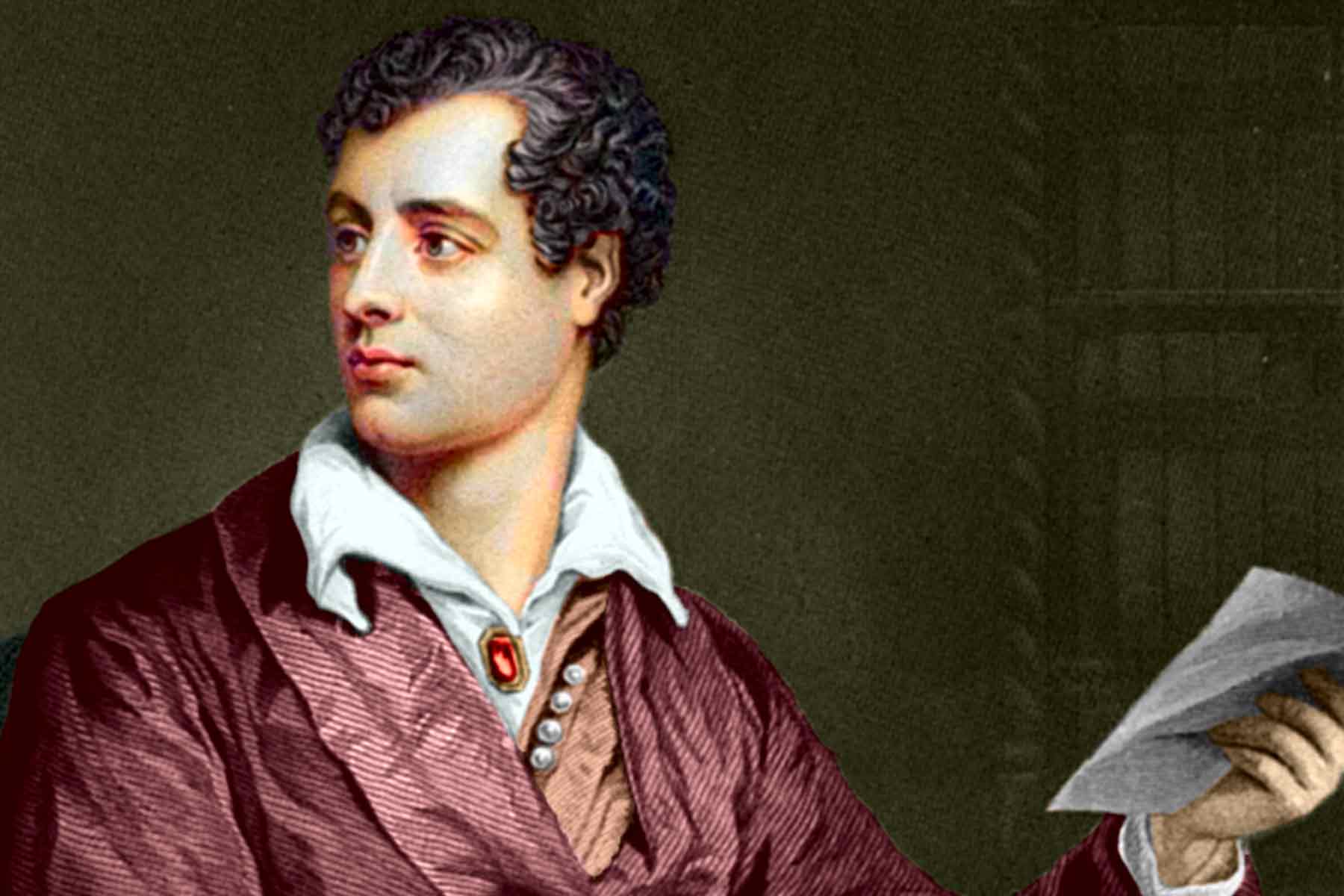
Lord Byron: "She Walks in Beauty"
Lord Byron's "She Walks in Beauty" captures the essence of romantic idealization through its celebration of both physical and spiritual beauty. The poem's famous opening lines demonstrate how Romantic poets used elaborate imagery to convey overwhelming emotion.
Opening lines:
She walks in beauty, like the night
Of cloudless climes and starry skies;
And all that's best of dark and bright
Meet in her aspect and her eyes
Percy Bysshe Shelley: "Love's Philosophy"
Percy Bysshe Shelley contributed to this tradition with works like "Love's Philosophy," which uses natural metaphors to argue for romantic union. His approach combined philosophical depth with sensual imagery, creating verses that appeal to both intellectual and emotional sensibilities.
Shelley's poetry exemplified the Romantic belief that love was a transformative force capable of transcending ordinary existence.
Opening lines:
The fountains mingle with the river
And the rivers with the ocean,
The winds of heaven mix for ever
With a sweet emotion
John Keats: "Bright Star"
John Keats brought a unique sensuality to romantic poetry through works like "Bright Star" and passages from "Endymion." His ability to merge physical desire with spiritual longing created a distinctive voice that influenced generations of poets.
Keats's untimely death at 25 only added to the romantic mythology surrounding his passionate verses about love and beauty.
Poem:
Bright star, would I were stedfast as thou art—
Not in lone splendour hung aloft the night
And watching, with eternal lids apart,
Like nature's patient, sleepless Eremite,
The moving waters at their priestlike task
Of pure ablution round earth's human shores,
Or gazing on the new soft-fallen mask
Of snow upon the mountains and the moors—
No—yet still stedfast, still unchangeable,
Pillow'd upon my fair love's ripening breast,
To feel for ever its soft fall and swell,
Awake for ever in a sweet unrest,
Still, still to hear her tender-taken breath,
And so live ever—or else swoon to death.
Victorian expressions of love
The Victorian era brought new dimensions to love poetry, reflecting the period's complex attitudes toward romance, marriage, and social propriety.
Elizabeth Barrett Browning: "How do I love thee?"
Elizabeth Barrett Browning's "Sonnets from the Portuguese" stands as one of the greatest collections of love poetry in English literature. Her famous Sonnet 43, beginning "How do I love thee? Let me count the ways," demonstrates the Victorian tendency to catalog and analyze romantic feelings with both passion and precision.
Opening lines:
How do I love thee? Let me count the ways.
I love thee to the depth and breadth and height
My soul can reach, when feeling out of sight
For the ends of being and ideal grace.
Closing lines:
I love thee with the breath,
Smiles, tears, of all my life; and, if God choose,
I shall but love thee better after death.
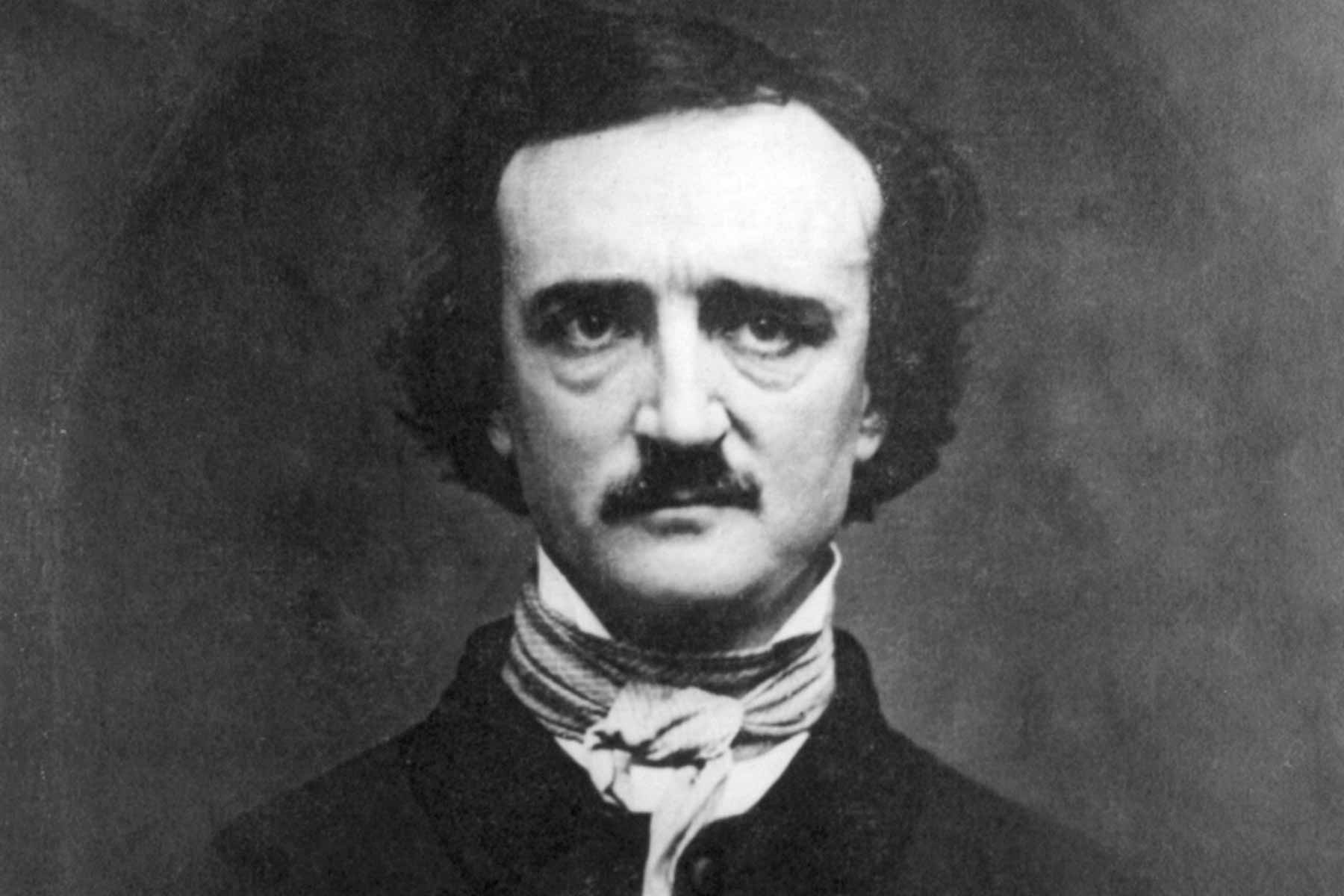
Edgar Allan Poe: "Annabel Lee"
Though Edgar Allan Poe is often associated with macabre themes, his poem "Annabel Lee" is a hauntingly beautiful tribute to eternal love, even in death.
"Annabel Lee" combines gothic tones with profound emotion, making it one of the most famous poems about love and loss. It exemplifies the era's fascination with tragic romance and idealized love that transcends death.
Opening lines:
It was many and many a year ago,
In a kingdom by the sea,
That a maiden there lived whom you may know
By the name of Annabel Lee;
And this maiden she lived with no other thought
Than to love and be loved by me.
Emily Dickinson: "Wild Nights"
Emily Dickinson's "Wild Nights—Wild Nights!" stands as one of the most passionate and daring love poems of the Victorian era. Written in her characteristic compressed style, the poem uses nautical metaphors to express intense romantic desire with remarkable boldness for its time.
Dickinson's ability to convey overwhelming passion through carefully chosen imagery and her signature dashes created a unique voice that challenged Victorian conventions while remaining deeply personal and emotionally authentic.
Opening lines:
Wild nights—Wild nights!
Were I with thee
Wild nights should be
Our luxury!
Modern and contemporary voices
Poets of the 20th and 21st centuries have produced influential love poetry that reflects changing social attitudes and experimental literary techniques:
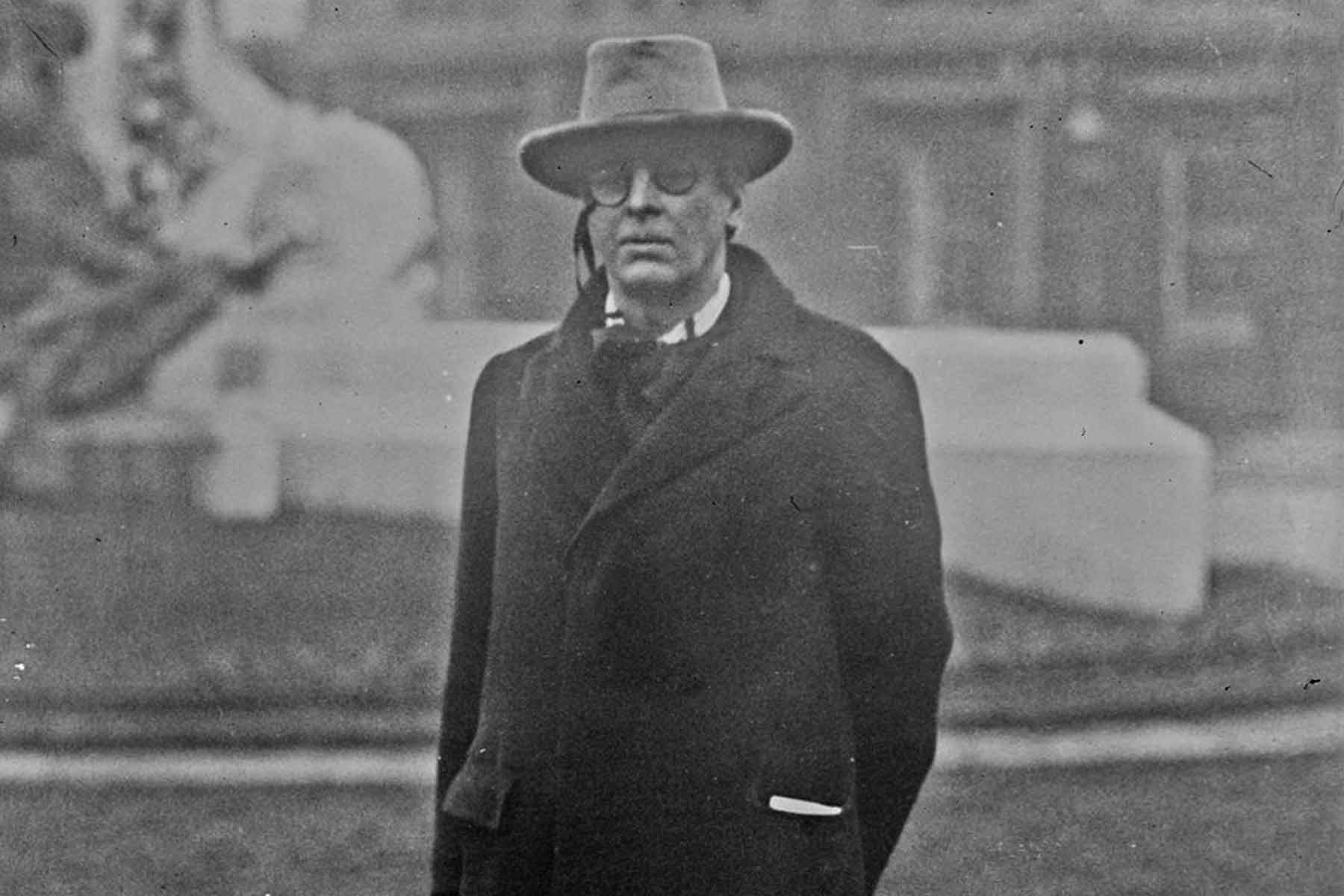
W.B. Yeats: "When You Are Old"
W.B. Yeats bridged the Victorian and modern eras with poems like "When You Are Old," which presents a haunting meditation on unrequited love and the passage of time. The poem's distinctive approach imagines the beloved in old age, reflecting on different types of love she received, while subtly asserting the superiority of the speaker's deeper, more spiritual devotion over superficial admiration.
Poem:
When you are old and grey and full of sleep,
And nodding by the fire, take down this book,
And slowly read, and dream of the soft look
Your eyes had once, and of their shadows deep;
How many loved your moments of glad grace,
And loved your beauty with love false or true,
But one man loved the pilgrim soul in you,
And loved the sorrows of your changing face;
And bending down beside the glowing bars,
Murmur, a little sadly, how Love fled
And paced upon the mountains overhead
And hid his face amid a crowd of stars.
e.e. cummings: "i carry your heart with me"
Few famous love poems have the disarming simplicity and profound emotional reach of "i carry your heart with me." With his trademark lowercase style and lack of punctuation, e.e. cummings distills love into a language that is both deeply personal and universally resonant while breaking conventional grammatical rules to create an innovative celebration of intimate connection.
Opening lines:
i carry your heart with me(i carry it in
my heart)i am never without it(anywhere
i go you go,my dear;and whatever is done
by only me is your doing,my darling)
Pablo Neruda: "If You Forget Me"
Pablo Neruda's Twenty Love Poems and a Song of Despair revolutionized romantic poetry through its frank sensuality and political consciousness. Neruda's ability to combine intimate personal experience with broader social themes created a new model for contemporary love poetry.
Neruda's powerful piece "If You Forget Me" explores the delicate balance between longing and independence in love. His work has earned a place among the greatest love poems for its raw intimacy and universal appeal.
Opening lines:
I want you to know
one thing.
You know how this is:
if I look
at the crystal moon, at the red branch
of the slow autumn at my window,
if I touch
near the fire
the impalpable ash
or the wrinkled body of the log,
everything carries me to you...
What makes a love poem truly great?
The best known love poems share a powerful combination of emotional authenticity and technical mastery. They capture love's full spectrum—from euphoric joy to heart-wrenching uncertainty—using vivid imagery that transforms abstract feelings into something readers can almost touch.
What truly sets apart the greatest love poems is their universality. Though born from specific moments and personal experiences, they tap into fundamental truths about human connection that resonate across cultures and centuries, making each reader feel as though the poet has somehow captured their own heart's deepest secrets.
Ready to write your own love poems?
Falling in love with poetry is just the beginning. Now imagine learning how to read and write poetry that captures your heart and soul!
Whether you're drawn to the romantic rhythm of Shakespeare, the raw emotion of Byron, or the quiet power of e.e. cummings, working with a skilled poetry teacher can help you unlock meaning, spark creativity, and deepen your personal connection to the greatest love poems ever written.
Using our proprietary cost database, in-depth research, and collaboration with industry experts, we deliver accurate, up-to-date pricing and insights you can trust, every time.