Non-CDL Class C License Guide
Non-CDL Class C License Guide

What is a non-CDL Class C license?
A non-CDL Class C license is the standard driver's license that most Americans carry in their wallets. It's what allows you to legally operate everyday passenger vehicles like cars, SUVs, minivans, and pickup trucks on public roads. The "non-CDL" part simply means this license doesn't qualify you to drive commercial vehicles.
In most states, a Class C license covers vehicles that weigh less than 26,001 pounds and aren't designed to carry more than 15 passengers (including the driver). This includes practically every personal vehicle you'll encounter, from compact sedans to full-size pickup trucks.
Some states use different classification systems, but the concept remains the same. Your standard driver's license allows you to drive non-commercial passenger vehicles within certain weight and capacity limits. It's the most common license type and what most people think of when they simply say, "driver's license."
How to get a non-CDL Class C license
Getting your Class C driver's license involves several steps, though the exact process varies by state. Here's what you can typically expect:
Meet the basic requirements
You'll need to meet your state's minimum age requirement, which usually falls between 16 and 18 years old. Most states allow teens to start with a learner's permit at 15 or 16 then graduate to a full license after completing required practice hours and holding the permit for a set period.
You'll also need to prove your identity and residency. This typically means bringing your birth certificate or passport, Social Security card, and documents showing your current address like utility bills or bank statements.
Pass the written knowledge test
Before you can practice driving, you'll need to pass a written exam covering traffic laws, road signs, and safe driving practices. Your state's Department of Motor Vehicles (DMV) provides a driver's handbook that contains everything you need to study.
Most states offer the test in multiple languages and allow you to take it on a computer at the DMV office. You'll need to score above a certain threshold, usually 70% to 80%, to pass.
Complete behind-the-wheel training
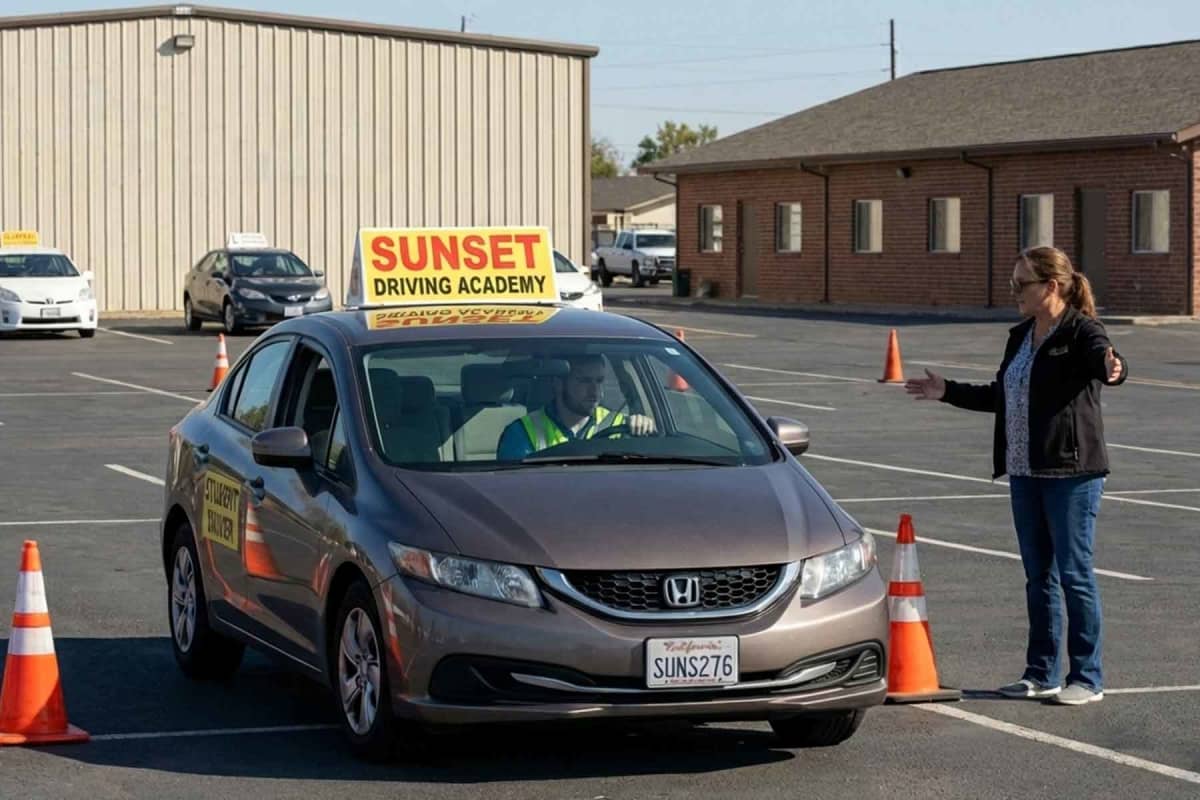
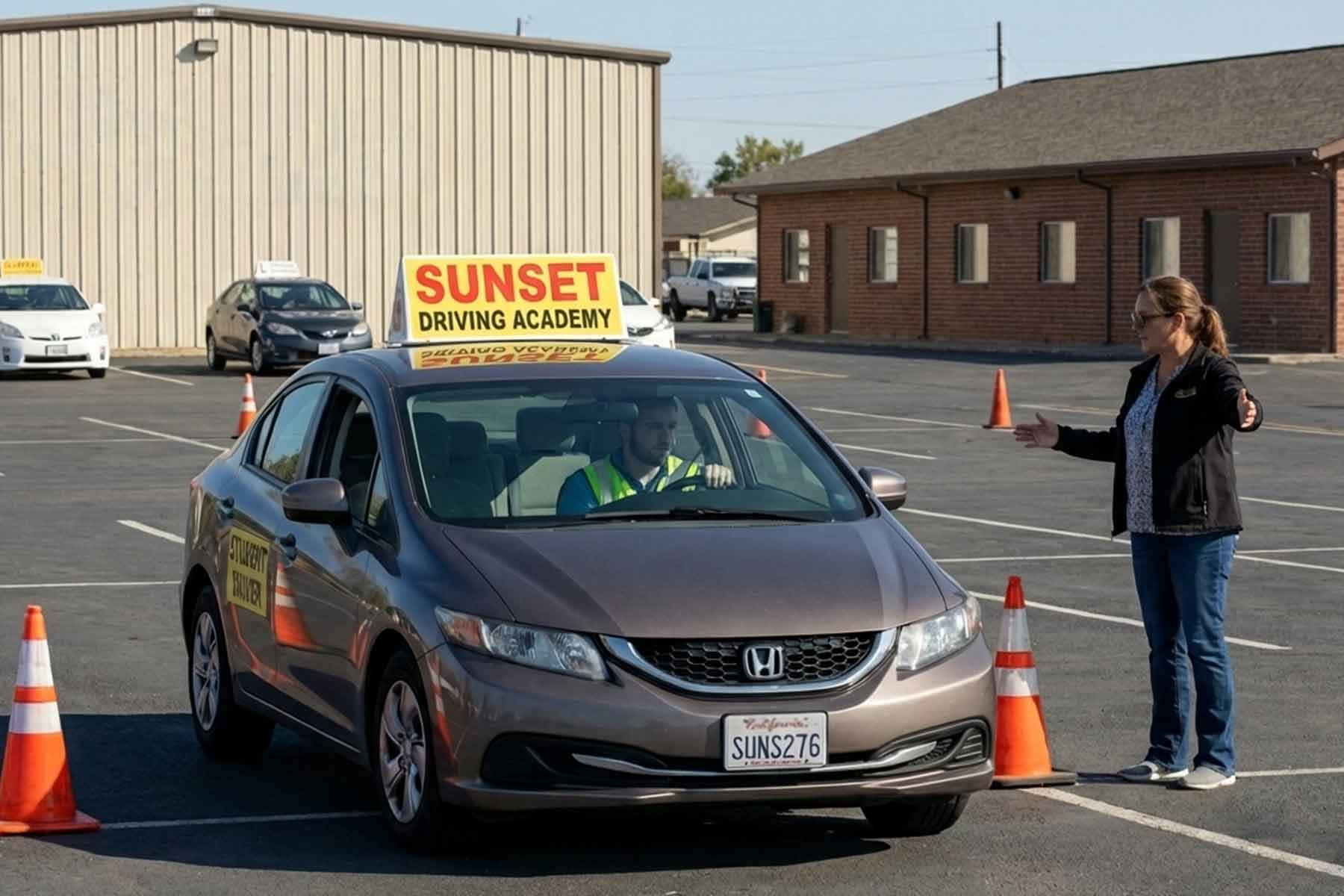
Many states require new drivers, especially teens, to complete a certain number of supervised driving hours before taking the road test. This might include professional driver's education courses or practice time with a licensed adult.
Driving school costs $400 to $800 on average for a package that includes both classroom and behind-the-wheel training. Even if your state doesn't mandate formal training, taking a driver's education course can make you a safer driver and may reduce your auto insurance rates.
Pass the vision test
You'll need to demonstrate adequate vision to drive safely. The DMV will test your eyesight, and you may be required to wear corrective lenses while driving if you don't meet the minimum vision standards without them.
Pass the driving test
The final step is the behind-the-wheel driving test with a DMV examiner. You'll demonstrate your ability to control the vehicle, follow traffic laws, and handle various driving situations like turns, lane changes, and parking.
Bring a vehicle in good working condition with a valid registration and insurance. Make sure all lights, signals, and safety equipment function properly, or the examiner may refuse to conduct the test.
Pay the required fees
License fees vary significantly by state, typically ranging from $20 to $90. Some states charge separately for the written test, road test, and the license itself. Check your state's DMV website for current fee schedules.
CDL vs. non-CDL license
The table below provides a quick snapshot of the important differences between a Class C driver's license and a Class C commercial driver's license (CDL).
| Feature | Non-CDL Class C license | Class C Commercial driver's license (CDL) |
|---|---|---|
| Primary purpose | Personal transportation | Commercial/professional driving |
| Vehicles covered | Cars, SUVs, pickup trucks, and minivans (under 26,001 lbs.) | Airport shuttles, school buses, HazMat vehicles, and passenger vans for 16+ people (under 26,001 lbs.) |
| Passenger limit | Up to 15 (including driver) | 16+ (including driver) |
| Training required | Driver's education recommended; sometimes required for teens | Specialized CDL training program required |
| Training cost | $0 – $800 | $1,000 – $8,000 |
| Testing difficulty | Basic written and driving tests | Comprehensive written exams and advanced driving tests |
| Medical requirements | Vision test only | May require medical certifications |
| Ongoing regulations | Standard traffic laws | Federal hours-of-service rules; stricter enforcement |
| Career use | Personal use only | Opens professional driving careers |
| Endorsements | Motorcycle endorsement available | Multiple endorsements (hazmat, tanker, passenger, etc.) |
License and endorsement requirements vary from state to state. Always check your local DMV for current guidelines.
Purpose and vehicle types
Your non-CDL Class C license is designed for personal use. It covers standard passenger vehicles that you'd use for commuting, running errands, or family road trips. You can't legally drive commercial vehicles or earn money transporting goods or passengers with just a Class C license.
A CDL, on the other hand, qualifies you to operate commercial vehicles like semi-trucks, buses, and other large vehicles used in commerce. These licenses come in classes — A, B, and C — based on Federal classification standards for the vehicle's weight and what it hauls.
The Class C CDL is for vehicles under 26,001 pounds that seat 16+ people (including the driver) or transport placarded amounts of hazardous materials or any amount of material listed as a select agent or toxin in 42 CFR Part 73.
Training requirements
Getting your standard Class C license requires studying your state's driver handbook and passing basic written and driving tests. The process is relatively straightforward and doesn't typically require extensive formal training, though driver's education is recommended and sometimes required for younger drivers.
CDL training is far more intensive. You'll need specialized instruction on vehicle operation, safety regulations, cargo handling, and industry-specific skills. CDL training costs range from $1,000 to $8,000, depending on the program and the endorsements you pursue.
Testing and endorsements
The tests for a non-CDL Class C license assess your ability to safely operate a standard vehicle. They cover basic traffic laws and essential driving skills like turning, parking, and navigating intersections.
CDL testing is significantly more rigorous. You'll face more comprehensive written exams covering federal regulations, and the driving test requires demonstrating proficiency with much larger, more complex vehicles. CDL holders may also need additional endorsements for specific activities like transporting hazardous materials or driving passenger buses.
Career implications
A Class C license is for personal mobility. While you can use your personal vehicle for some work purposes like sales calls, Uber or Lyft driving, or food delivery, you're not qualified to drive commercially.
A CDL opens career opportunities in trucking, bus driving, and other commercial driving fields. It's a professional credential that employers in transportation industries require.
Maintenance and regulations
Keeping your Class C license valid typically just means renewing it every few years and following standard traffic laws. You don't face the same level of scrutiny as commercial drivers.
CDL holders must maintain medical certifications, follow hours-of-service regulations, and comply with additional federal and state requirements. They face more stringent enforcement and penalties for violations.
What can you drive with a Class C license?
With your non-CDL Class C license, you're covered for most everyday driving situations. This includes sedans, coupes, hatchbacks, station wagons, SUVs, crossovers, and minivans of any size.
You can also drive pickup trucks and vans, as long as they're used for personal purposes and fall within the weight limits. Most consumer vehicles easily meet these requirements, so you won't have to worry about whether your vehicle is too large.
Motorcycles and mopeds require separate endorsements or licenses in most states, even if they're under the weight limits. Similarly, commercial vehicles, vehicles designed to carry more than 15 passengers, or vehicles towing heavy trailers may require additional credentials.
State-specific variations
While the basic concept of a Class C license remains consistent, each state administers its own licensing system. Some states don't use the "Class C" designation at all, but the equivalent standard license serves the same purpose.
Requirements for minimum age, testing procedures, fees, and renewal periods all vary by state. Some states have graduated licensing programs for new drivers under 18, imposing restrictions on nighttime driving or the number of passengers until the driver gains more experience.
Always check your state's DMV website or visit a local office to get current information specific to your location. Requirements and fees can change.
Non-CDL Class C License FAQs
How long does it take to get a Class C license?
The timeline to get a Class C varies by state and individual. If you're an adult, you might complete the process in a few weeks to a couple of months. Teens typically take longer due to learner's permit holding periods and required practice hours, often 6 to 12 months from permit to full license.
Do I need insurance to get a Class C license?
You don't need your own insurance policy to obtain a license, but you do need insurance to drive legally. For the road test, you must provide a vehicle with valid insurance coverage. Most teens are added to their parents' policies initially.
Can I drive a rental truck with a Class C license?
While rental terms vary by company and state, most rental trucks from companies like U-Haul or Penske fall within Class C limits. As long as the truck weighs under 26,001 pounds (which covers most consumer rental trucks), your standard license is usually sufficient. Larger commercial trucks require a CDL.
How often do I need to renew my Class C license?
Renewal periods vary by state, typically ranging from 4 to 8 years. Some states require more frequent renewals for older drivers. You'll receive a renewal notice before your license expires, and most states now offer online renewal options.
Can I drive for Uber or Lyft with a Class C license?
Yes, rideshare driving only requires a standard Class C license since you're transporting fewer than 16 passengers in a personal vehicle. However, you'll need to meet additional requirements like minimum age (usually 21), company vehicle standards, and background checks.
Using our proprietary cost database, in-depth research, and collaboration with industry experts, we deliver accurate, up-to-date pricing and insights you can trust, every time.