25 of the Most Famous Photographs in History
25 of the Most Famous Photographs in History

What makes a photograph iconic?
A truly famous photograph transcends its frame. It captures universal emotions, documents pivotal moments, or reveals hidden truths about our society. These images become cultural touchstones, instantly recognizable across generations.
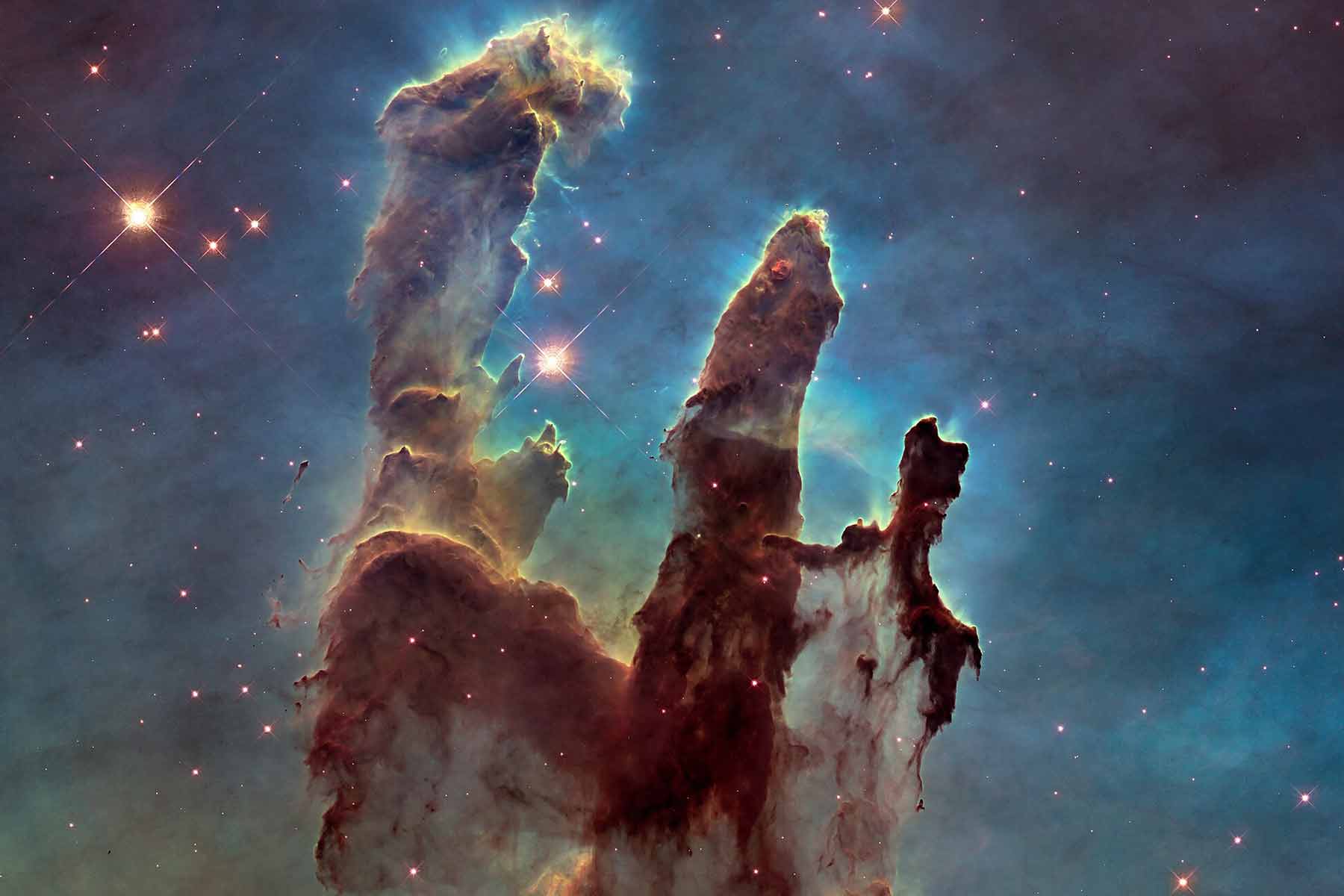
1. The Pillars of Creation (1995)
The Hubble Space Telescope captured this breathtaking image of star-forming gas and dust in the Eagle Nebula. These towering columns stretch across light years, showing us the birthplace of new stars.
This photograph revolutionized how we visualize deep space. It made the cosmos accessible to millions and remains one of NASA's most requested images, inspiring wonder about our place in the universe.
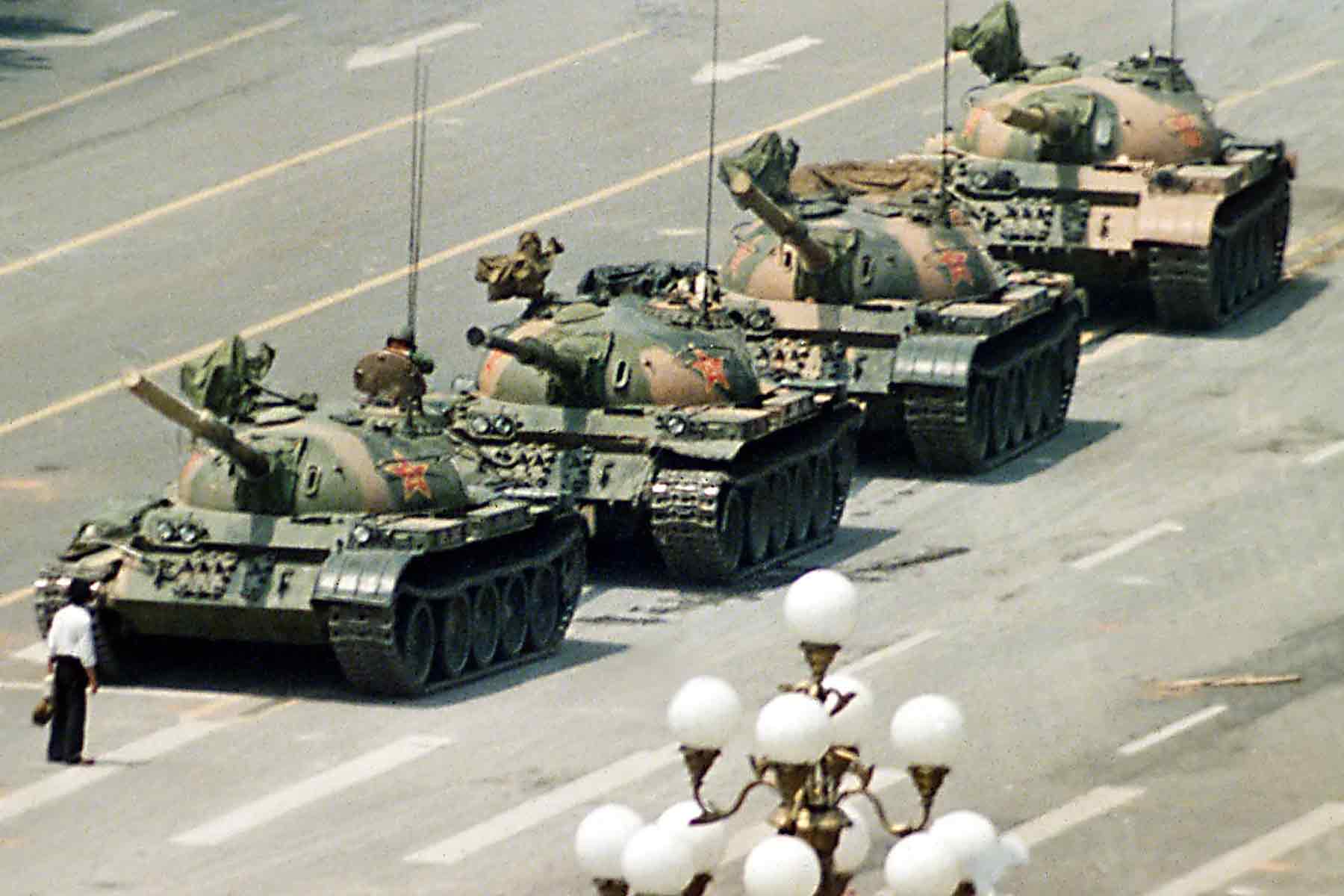
2. Tank Man (1989)
An unknown man stood alone before a column of tanks in Beijing's Tiananmen Square. This single act of defiance during the 1989 protests became a symbol of peaceful resistance worldwide.
Four photographers captured this moment from different angles. The image represents the power of individual courage against overwhelming force, though the man's identity remains a mystery to this day.
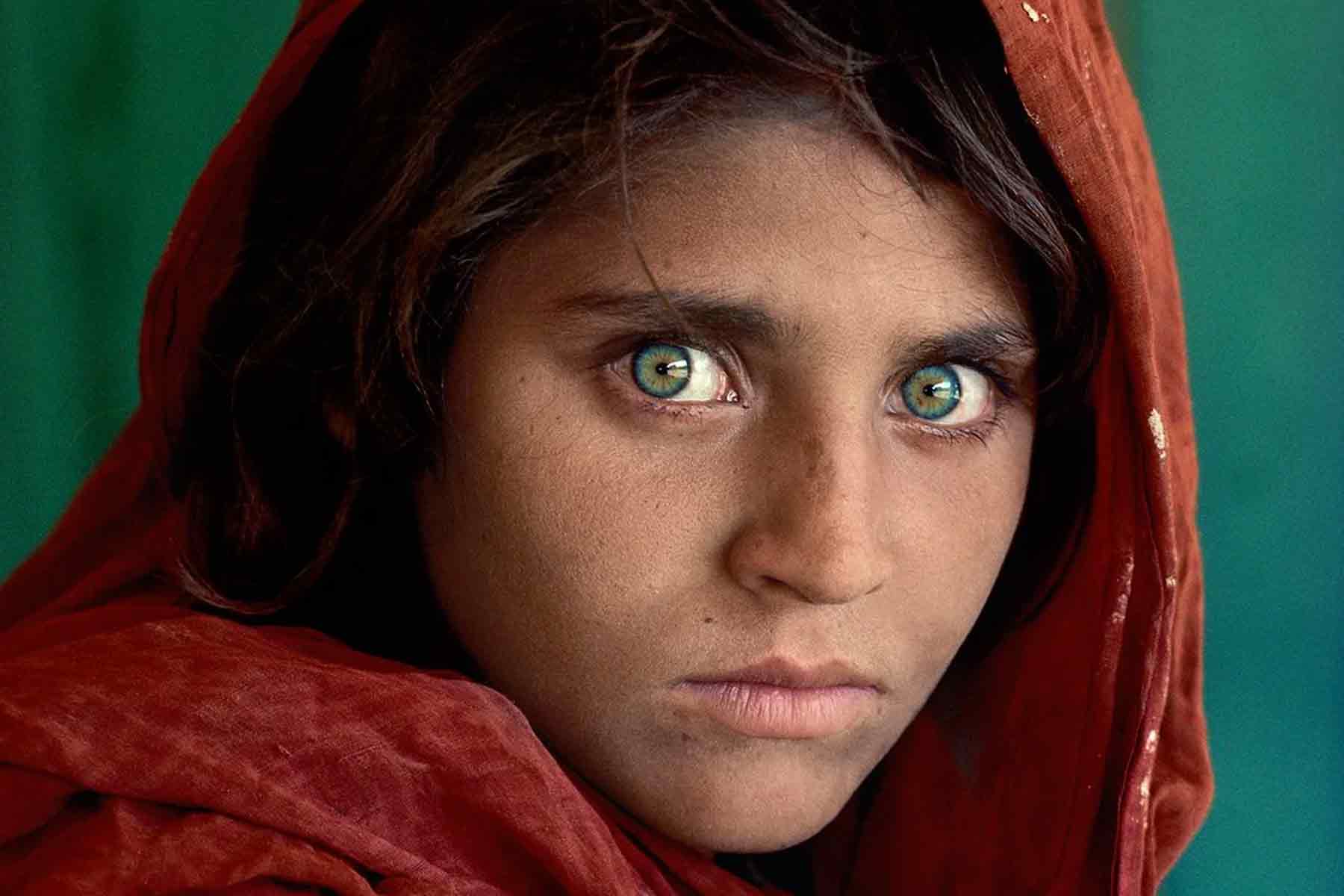
3. The Afghan Girl (1984)
Steve McCurry photographed 12-year-old Sharbat Gula in a refugee camp in Pakistan. Her piercing green eyes and red headscarf graced National Geographic's cover, becoming one of the most recognizable portraits ever taken.
The haunting image brought international attention to the plight of Afghan refugees. McCurry tracked down Gula again in 2002, nearly two decades later, revealing her remarkable story of survival.
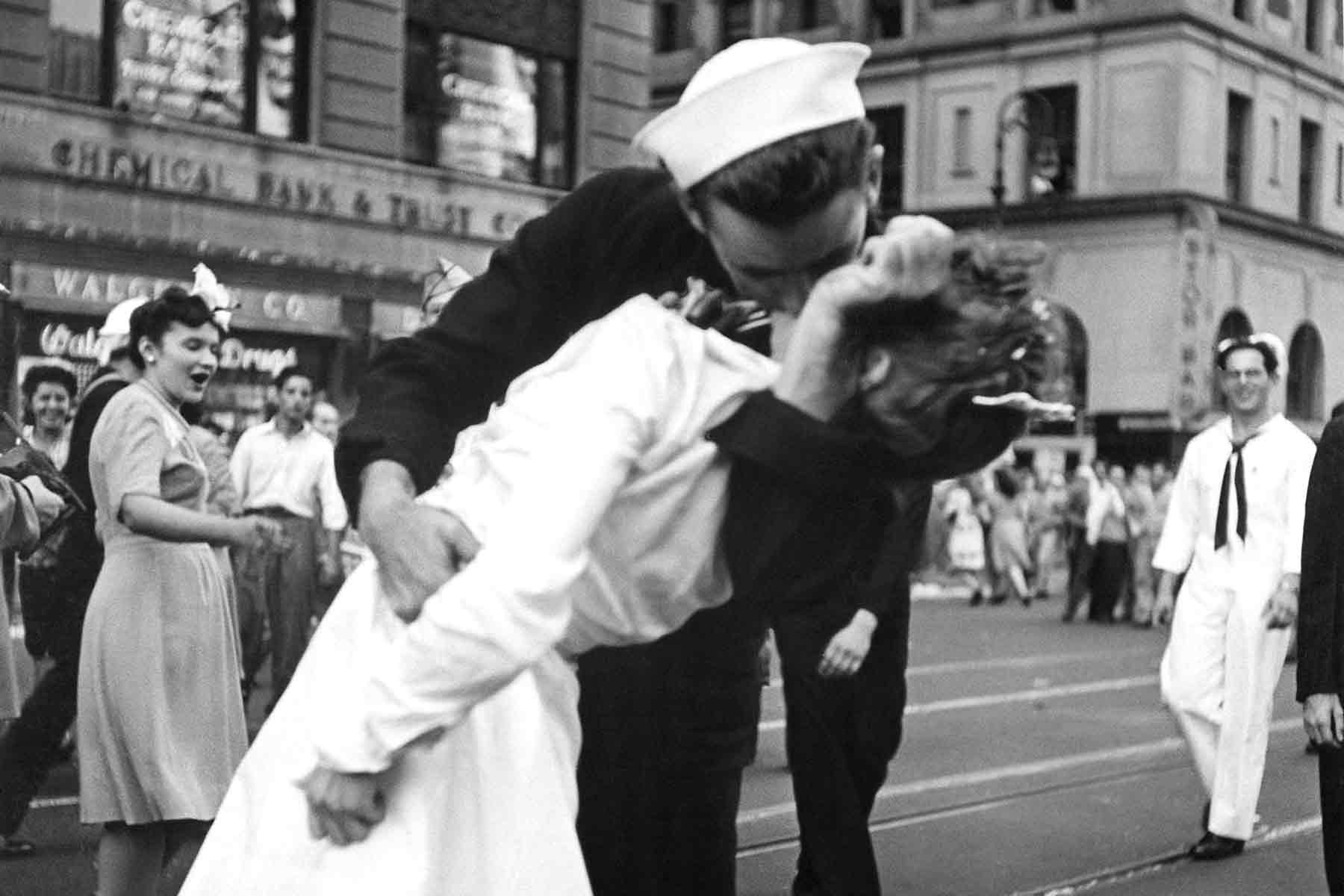
4. V-J Day in Times Square (1945)
Alfred Eisenstaedt captured a sailor kissing a nurse in Times Square on August 14, 1945, celebrating Japan's surrender and the end of World War II. The spontaneous moment embodied national jubilation.
While debated for decades, the subjects were later identified as George Mendonsa and Greta Zimmer Friedman. The photograph remains an enduring symbol of celebration and relief after years of war.
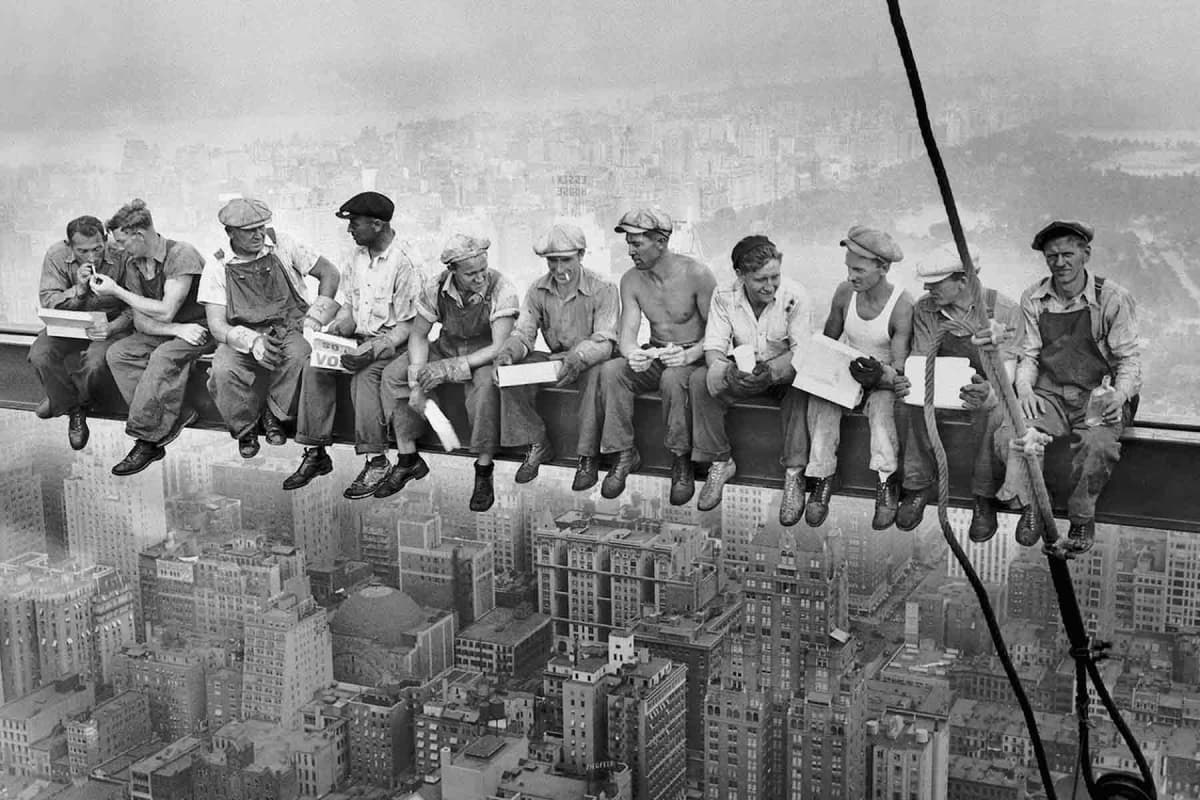
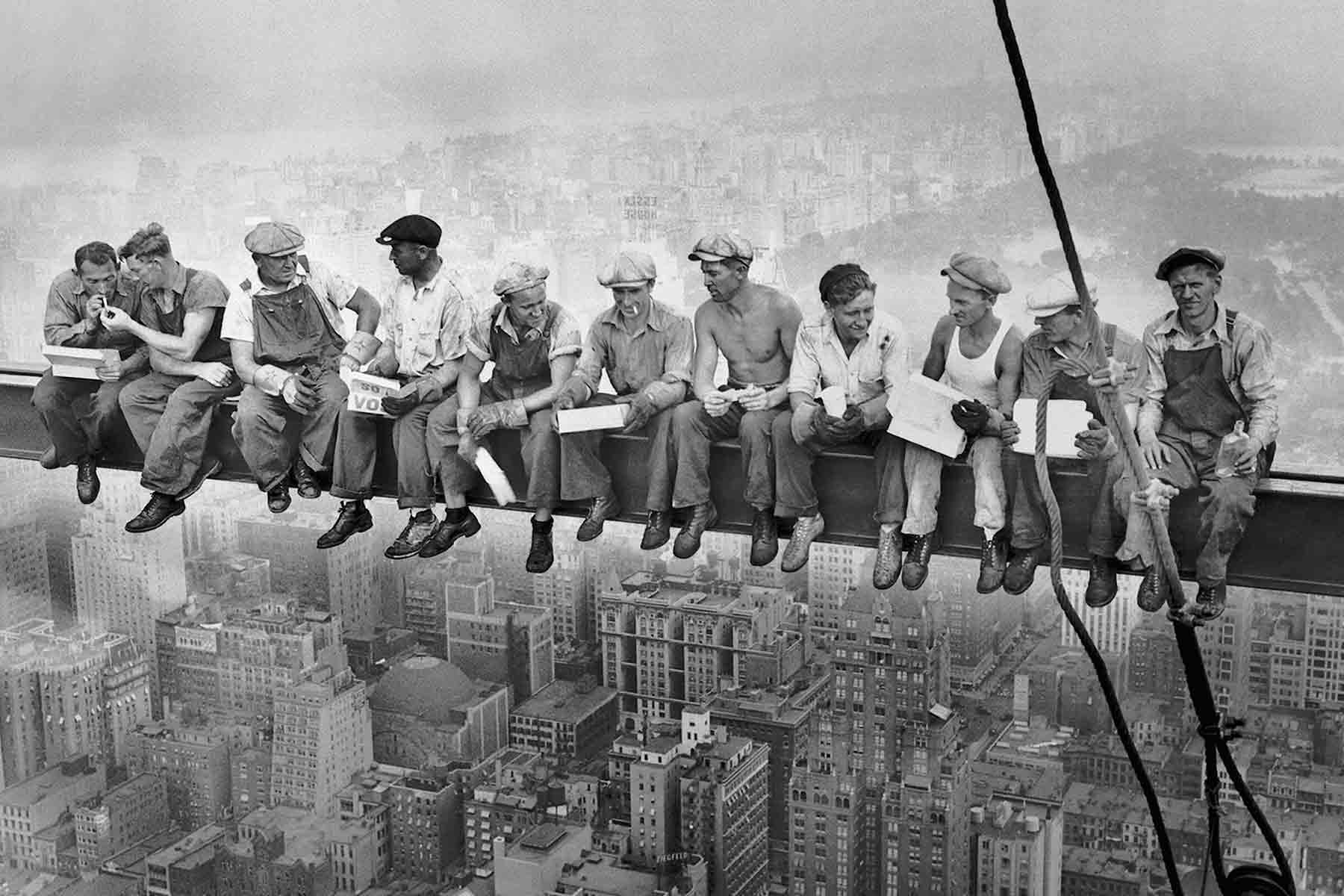
5. Lunch Atop a Skyscraper (1932)
Eleven construction workers sit casually on a steel beam 850 feet above New York City, eating lunch without safety harnesses. This Depression-era image showcases extraordinary courage and working-class grit.
The photograph was taken during construction of Rockefeller Center. While some believe it was staged for publicity, it authentically represents the dangerous conditions workers faced building America's skyline.
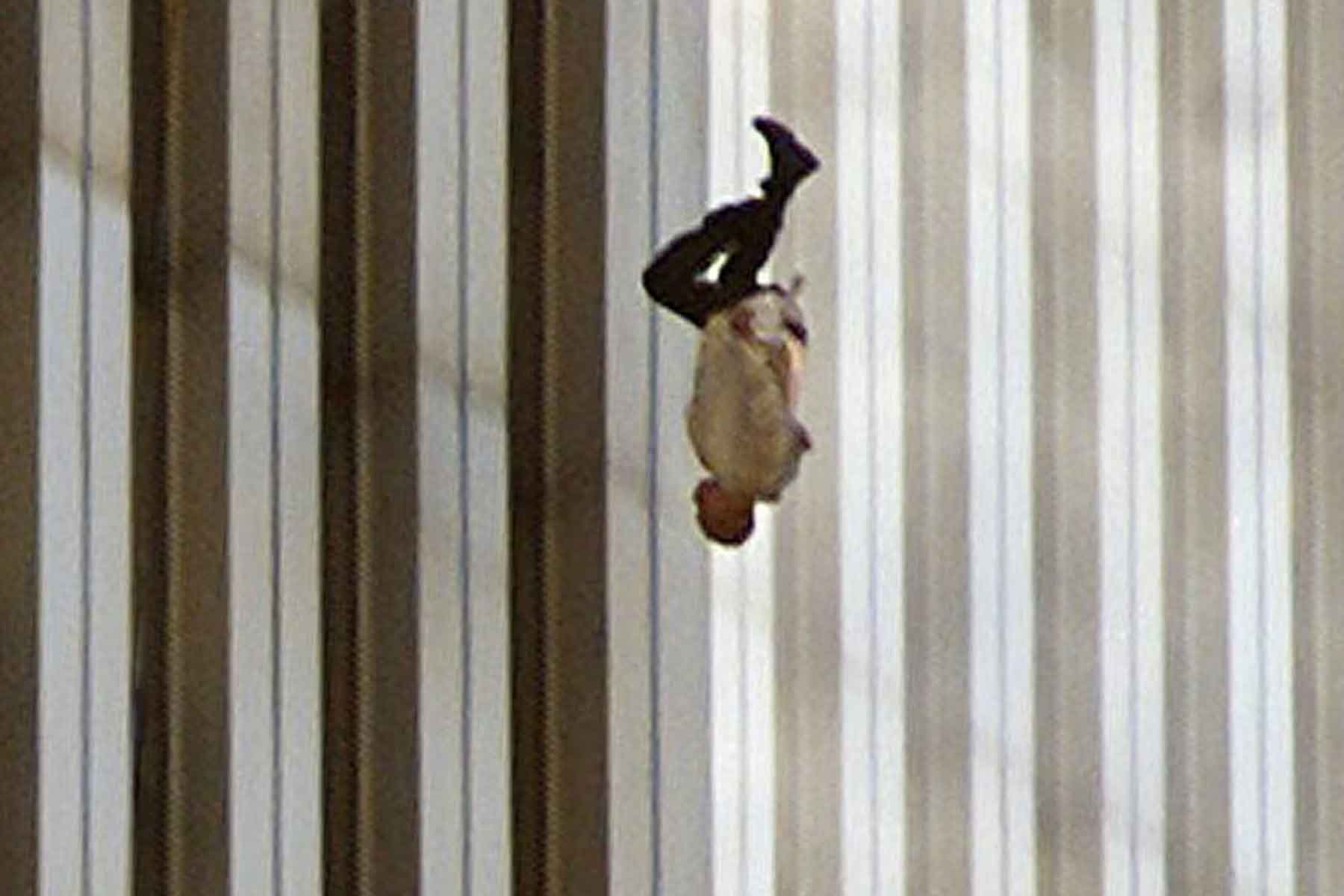
6. The Falling Man (2001)
Richard Drew captured a person falling from the North Tower of the World Trade Center on September 11, 2001. This controversial image confronts us with the unbearable choices made that day.
Many publications refused to print it, considering it too disturbing. Yet it remains a powerful documentation of individual tragedy within catastrophic events, forcing viewers to acknowledge the human cost.
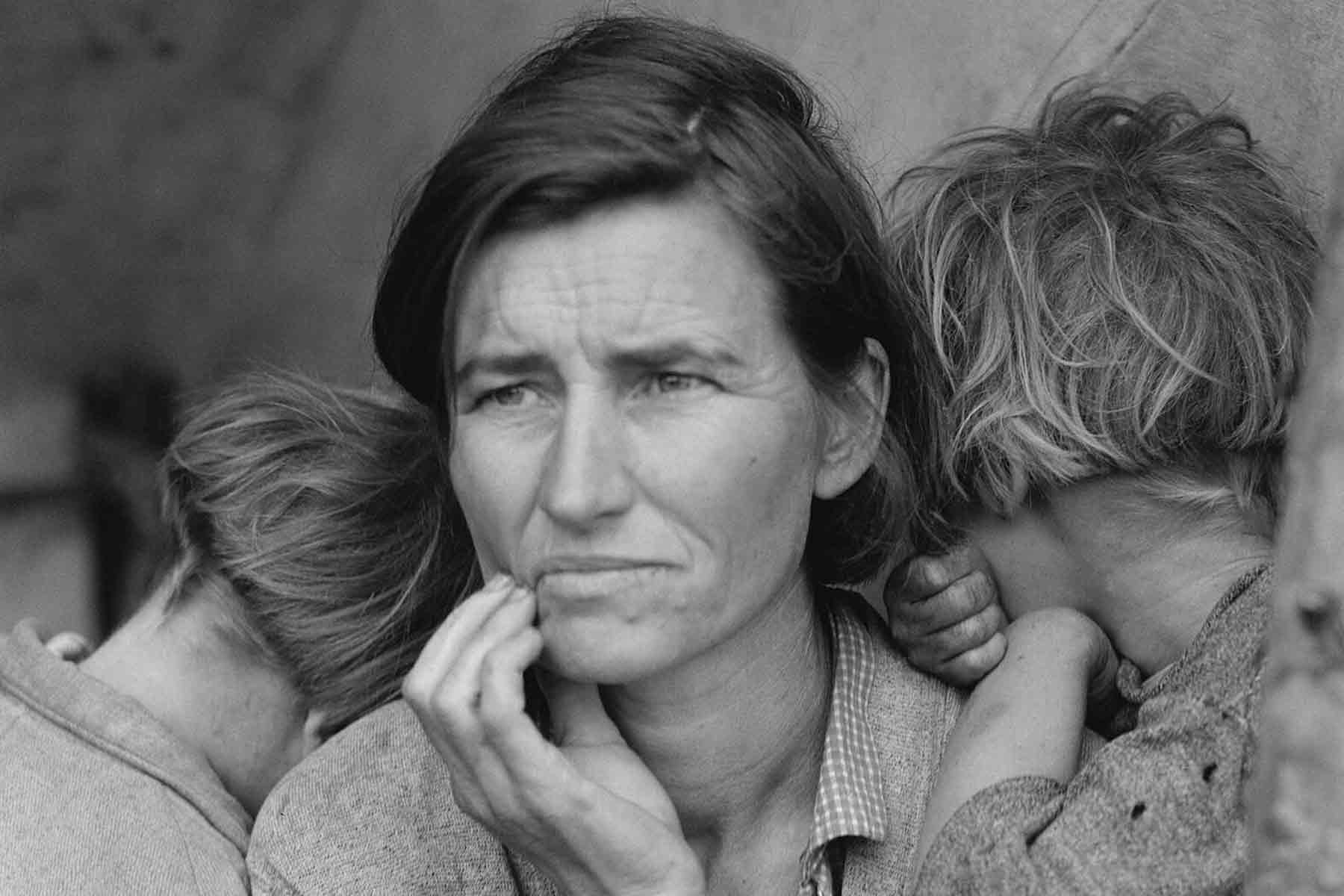
7. Migrant Mother (1936)
Dorothea Lange photographed Florence Owens Thompson and her children during the Great Depression. The worry etched on the mother's face became the defining image of American poverty and resilience.
Thompson was a 32-year-old pea picker in California. Lange took six photographs in ten minutes, creating an image that humanized statistics and influenced government aid programs for struggling families.
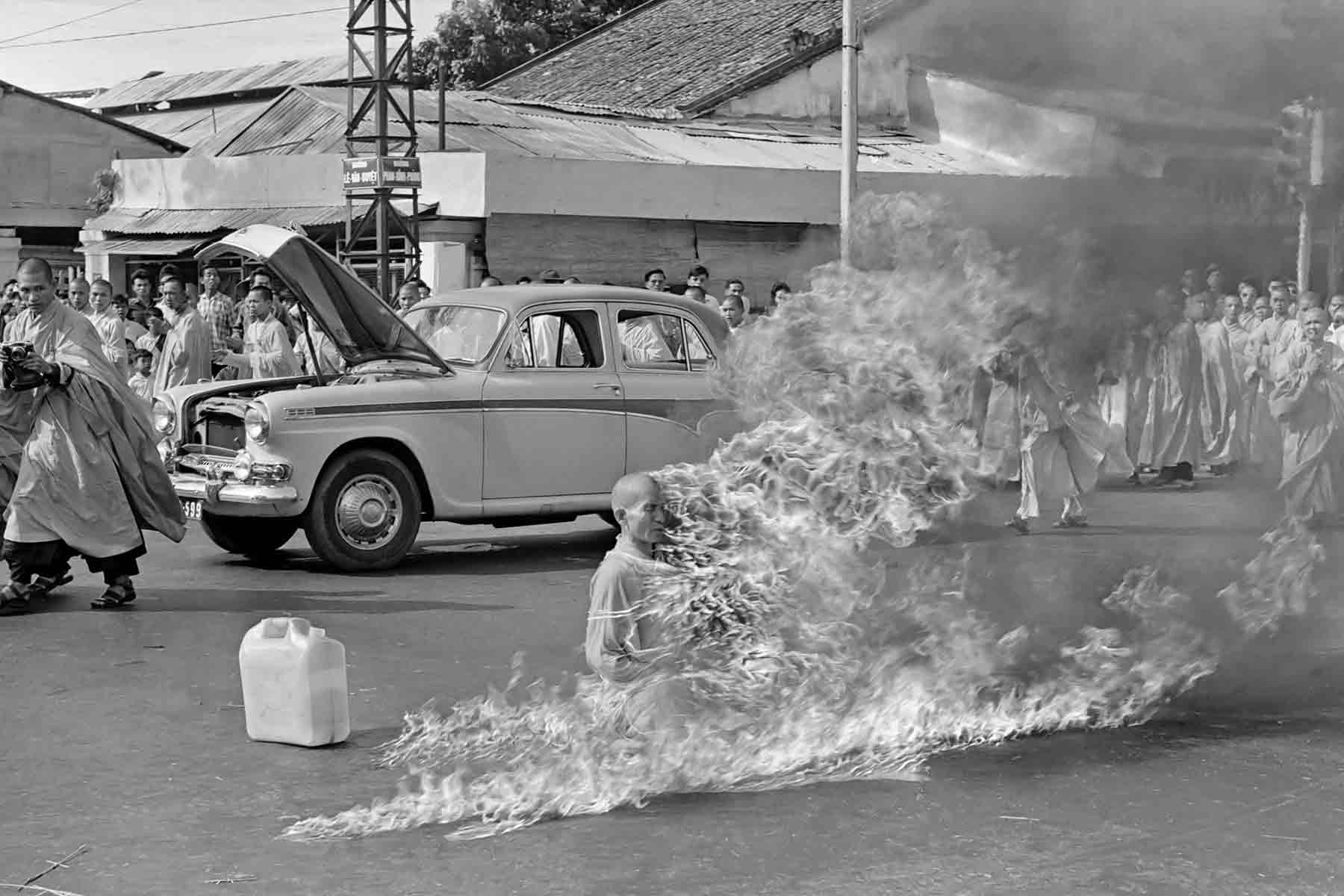
8. The Burning Monk (1963)
Malcolm Browne documented Buddhist monk Thích Quảng Đức's self-immolation in Saigon, protesting religious persecution. The monk remained perfectly still as flames consumed him, demonstrating extraordinary discipline.
This shocking image galvanized international opinion against the South Vietnamese government. President Kennedy reportedly said no photograph in history generated more emotion and attention to a cause.
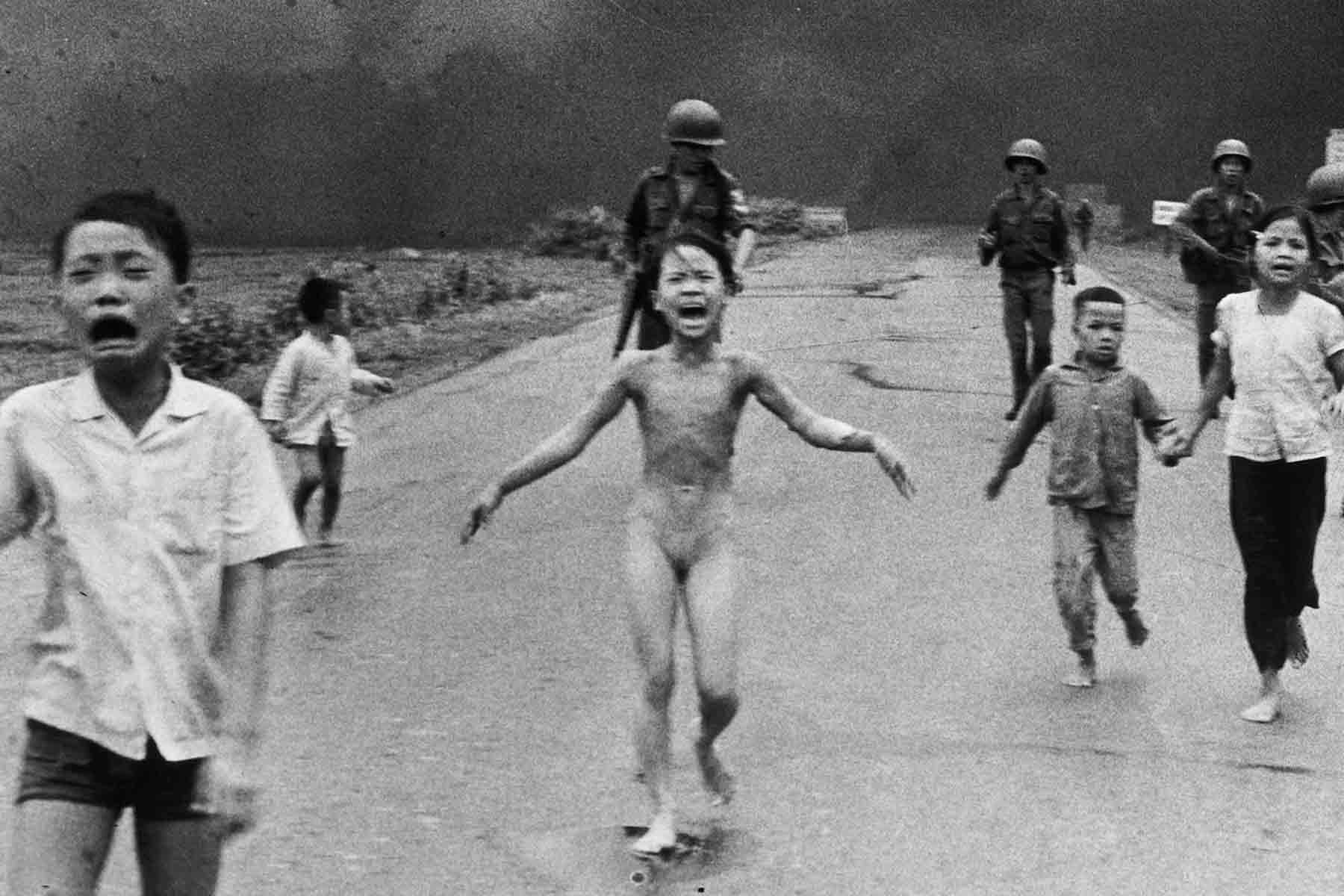
9. The Terror of War (1972)
Nick Ut photographed nine-year-old Phan Thị Kim Phúc running naked down a road after a napalm attack during the Vietnam War. Her arms outstretched and mouth open in a scream of pain.
The Pulitzer Prize-winning image turned American public opinion against the war. Remarkably, Kim Phúc survived and later became a UNESCO Goodwill Ambassador, advocating for child victims of war.
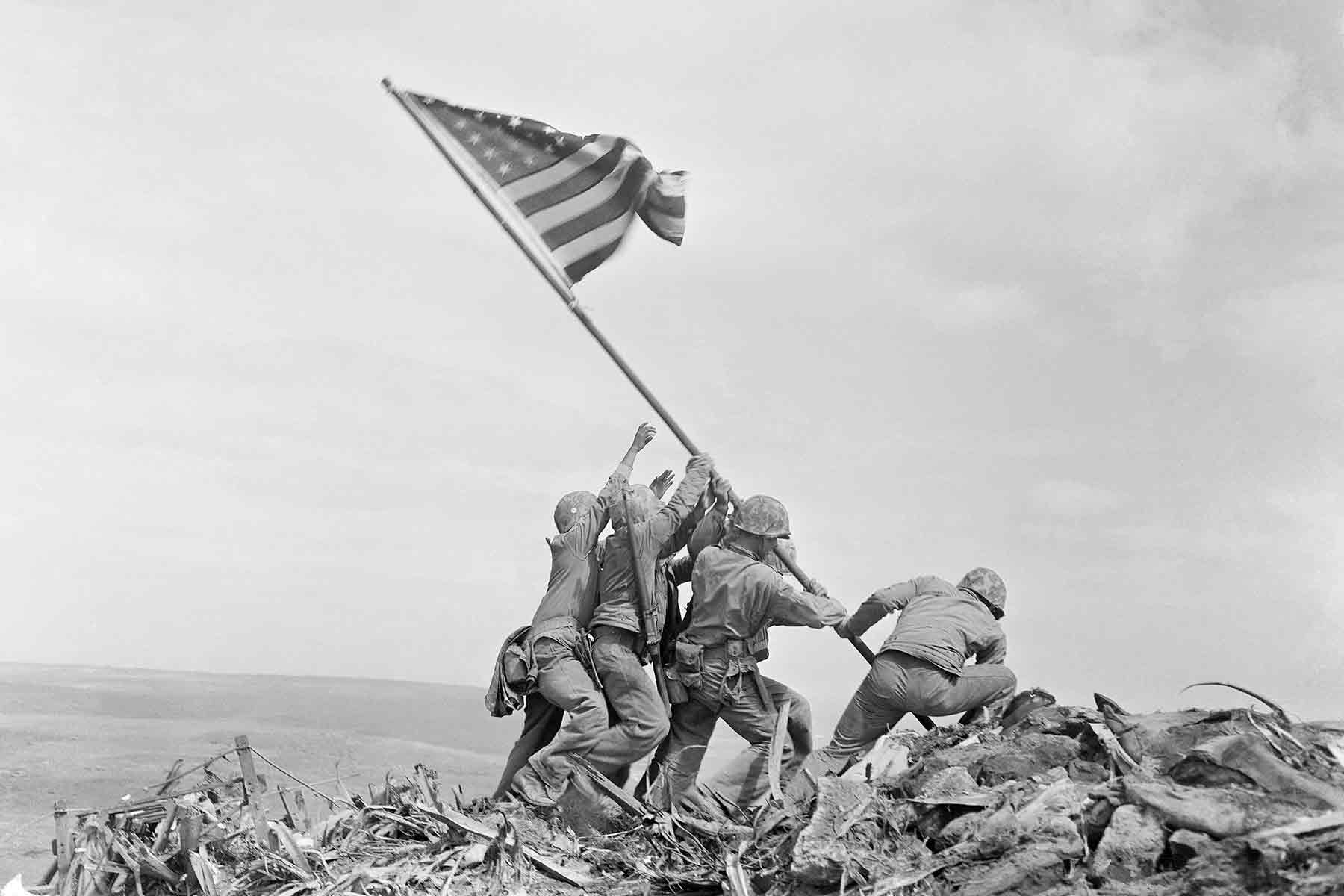
10. Raising the Flag on Iwo Jima (1945)
Joe Rosenthal captured six Marines raising the American flag atop Mount Suribachi during one of World War II's bloodiest battles. The photograph became an instant symbol of American determination.
Three of the flag-raisers died before the battle ended. The image inspired the Marine Corps War Memorial in Arlington and remains one of the most reproduced photographs in history.
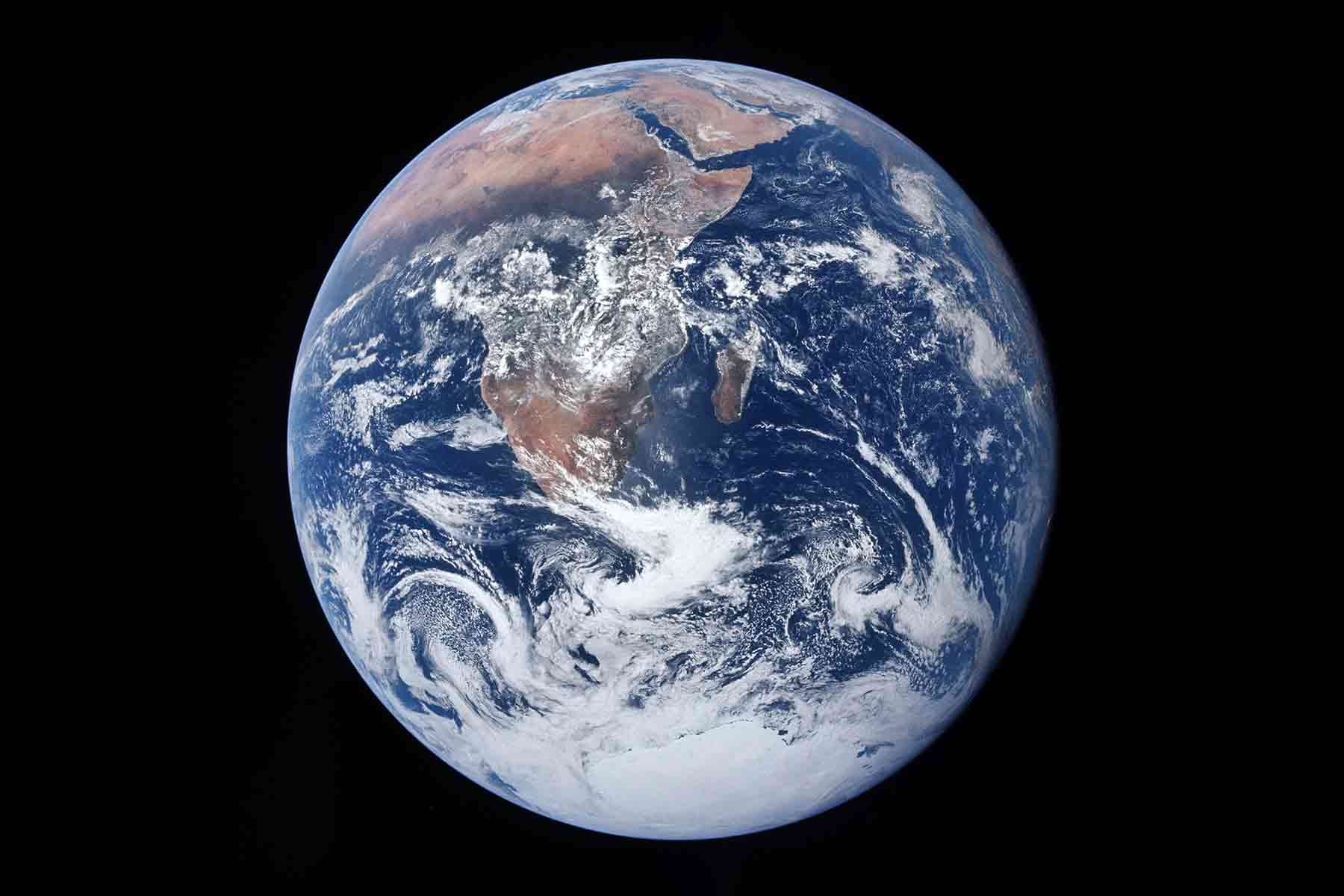
11. The Blue Marble (1972)
The Apollo 17 crew photographed Earth from space, showing our entire planet floating in darkness. This "Blue Marble" image transformed environmental consciousness by revealing Earth's fragility.
It was one of the first photographs to show a fully illuminated Earth. The image became an icon of the environmental movement, reminding humanity that we share one small, precious home.
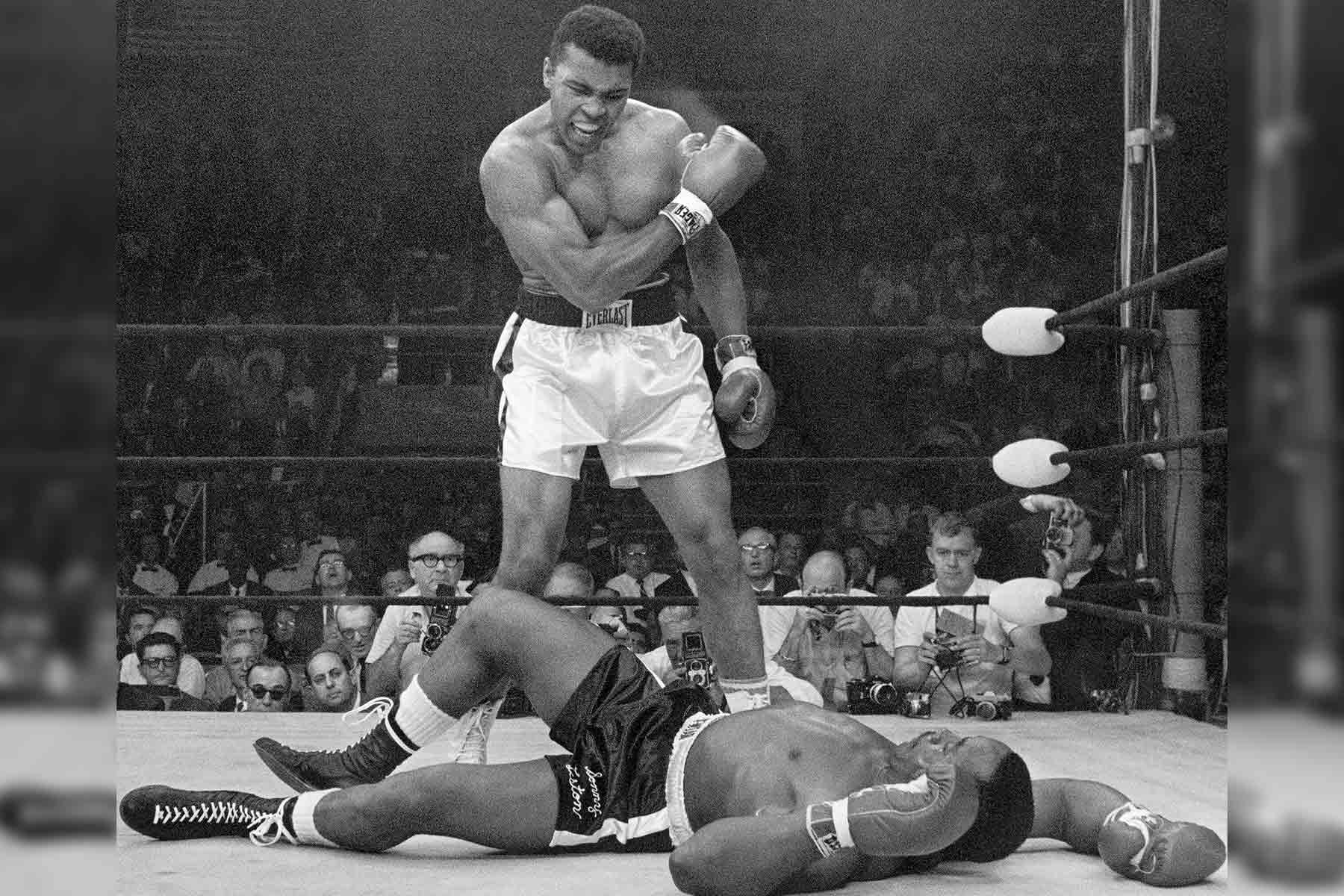
12. Muhammad Ali vs. Sonny Liston (1965)
Neil Leifer captured Ali standing over the fallen Liston, yelling "Get up and fight, sucker!" The dramatic angle and Ali's imposing stance created one of sports photography's most iconic images.
The controversial first-round knockout cemented Ali's legacy. The photograph perfectly captures the champion's confidence and dominance, transcending sports to become a cultural symbol of strength.
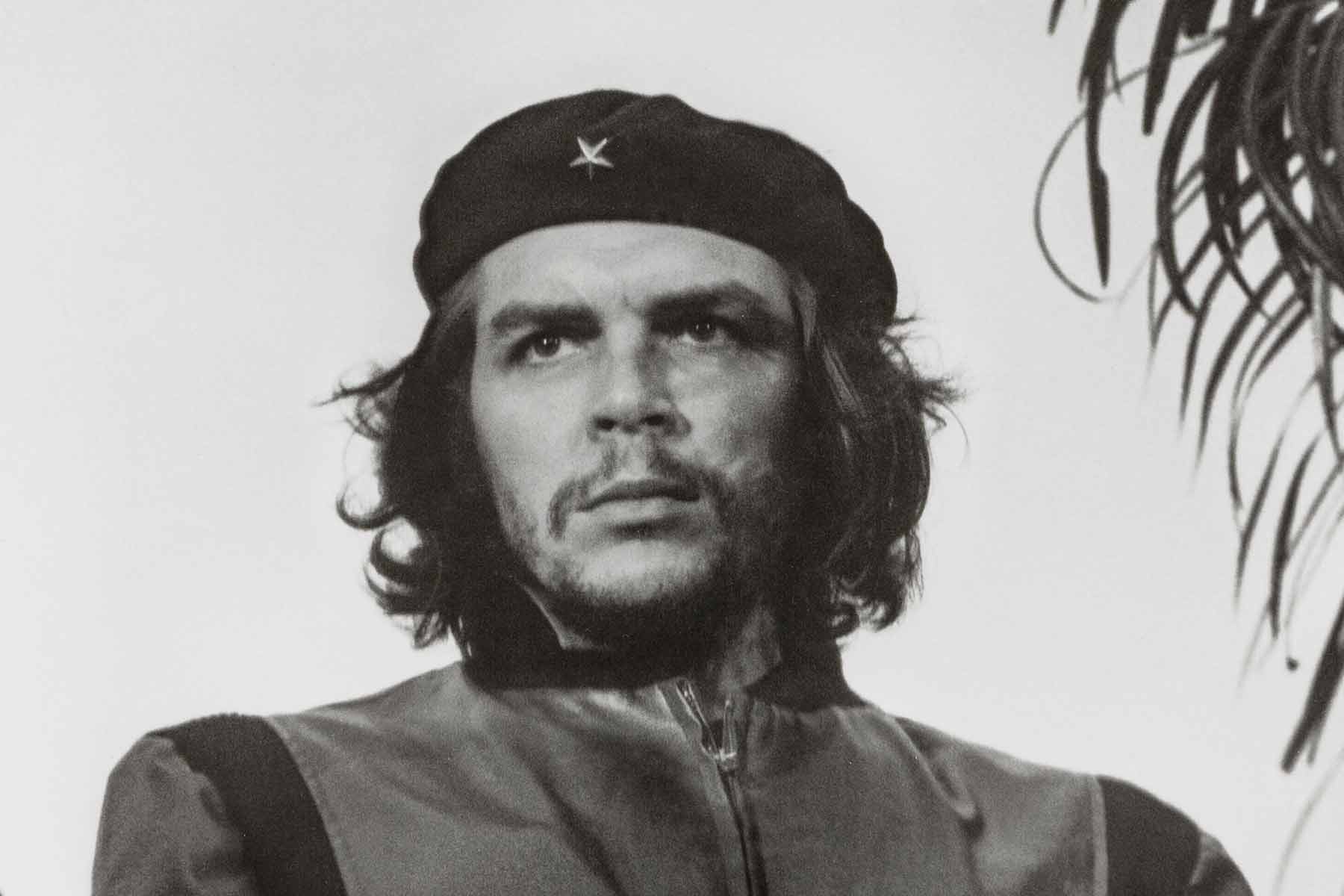
13. Guerrillero Heroico (1960)
Alberto Korda photographed Che Guevara at a memorial service in Havana. The revolutionary's intense gaze beneath his iconic beret became the most reproduced image in photography history.
Originally unpublished, the portrait exploded into global consciousness during the 1960s counterculture movement. It has been printed on everything from t-shirts to murals, making Che an eternal symbol of rebellion.
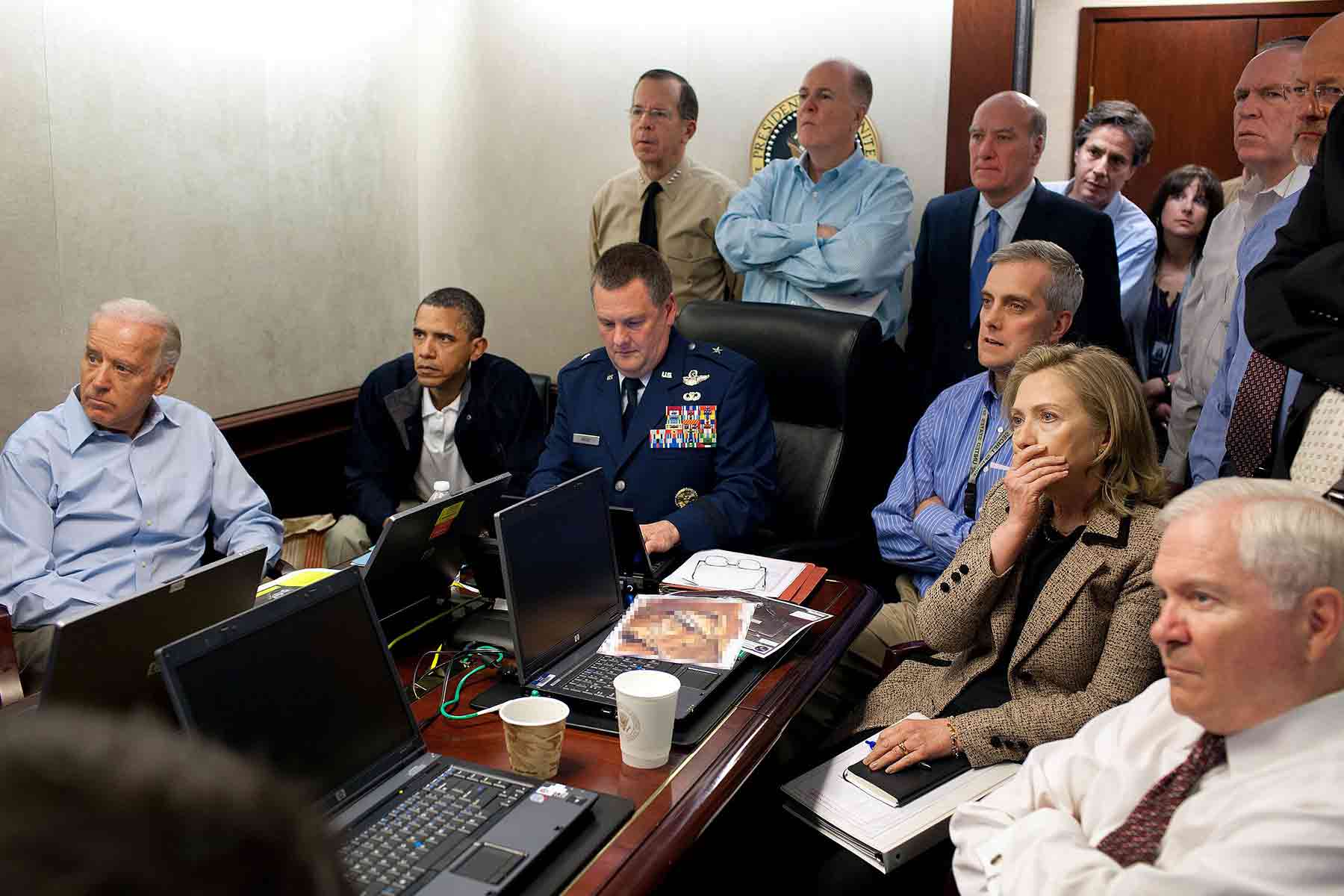
14. The Situation Room (2011)
Pete Souza photographed President Obama and his national security team monitoring the raid that killed Osama bin Laden. The tense faces reveal the weight of leadership during critical moments.
Secretary of State Hillary Clinton's hand over her mouth became particularly memorable. The image offered unprecedented access to presidential decision-making during a defining moment in the War on Terror.
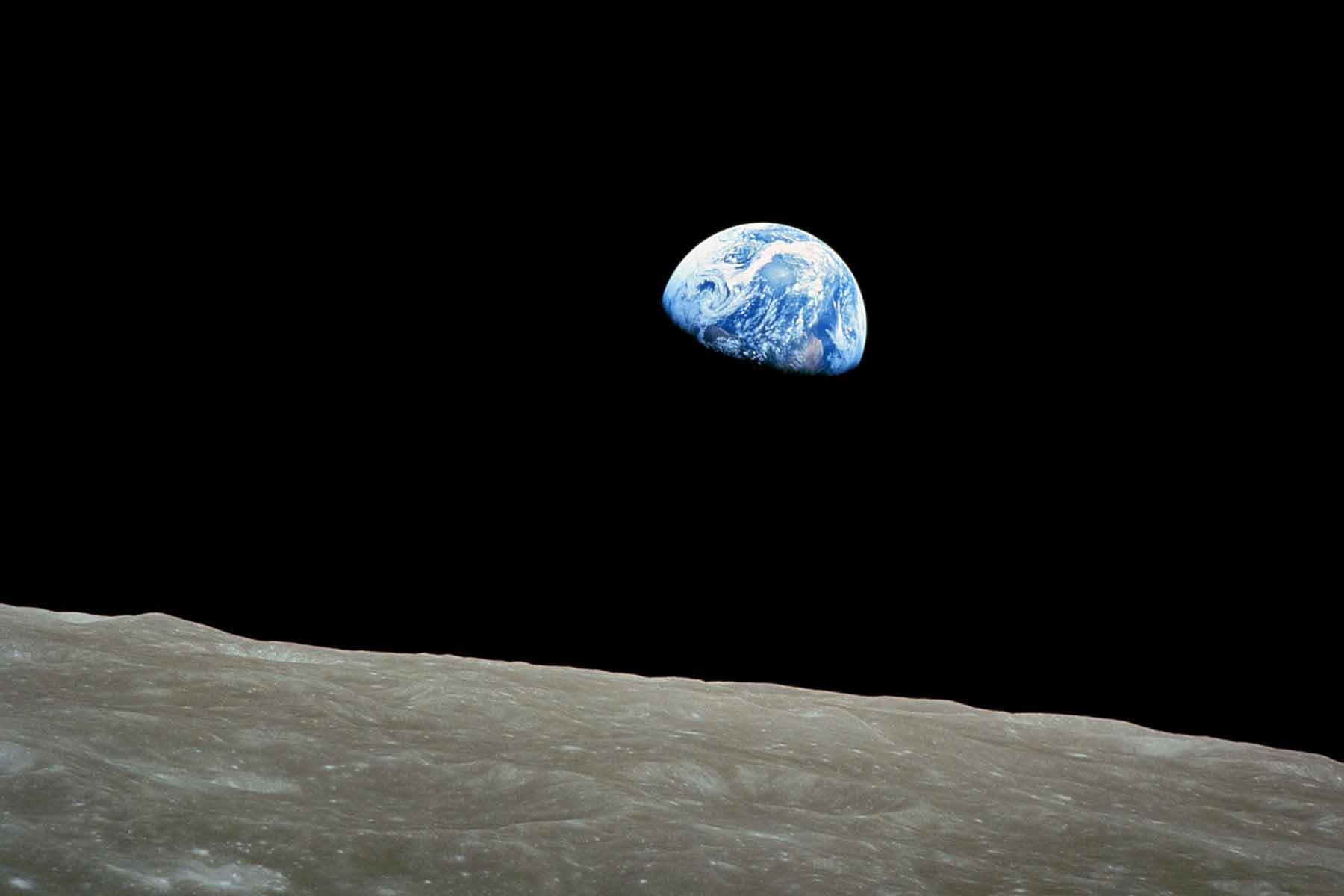
15. Earthrise (1968)
Apollo 8 astronaut William Anders captured Earth rising above the lunar horizon. This perspective shift showed humanity viewing our planet from another world for the first time.
Anders later said, "We came all this way to explore the Moon, and the most important thing is that we discovered the Earth." The photograph profoundly influenced environmental awareness and space exploration.
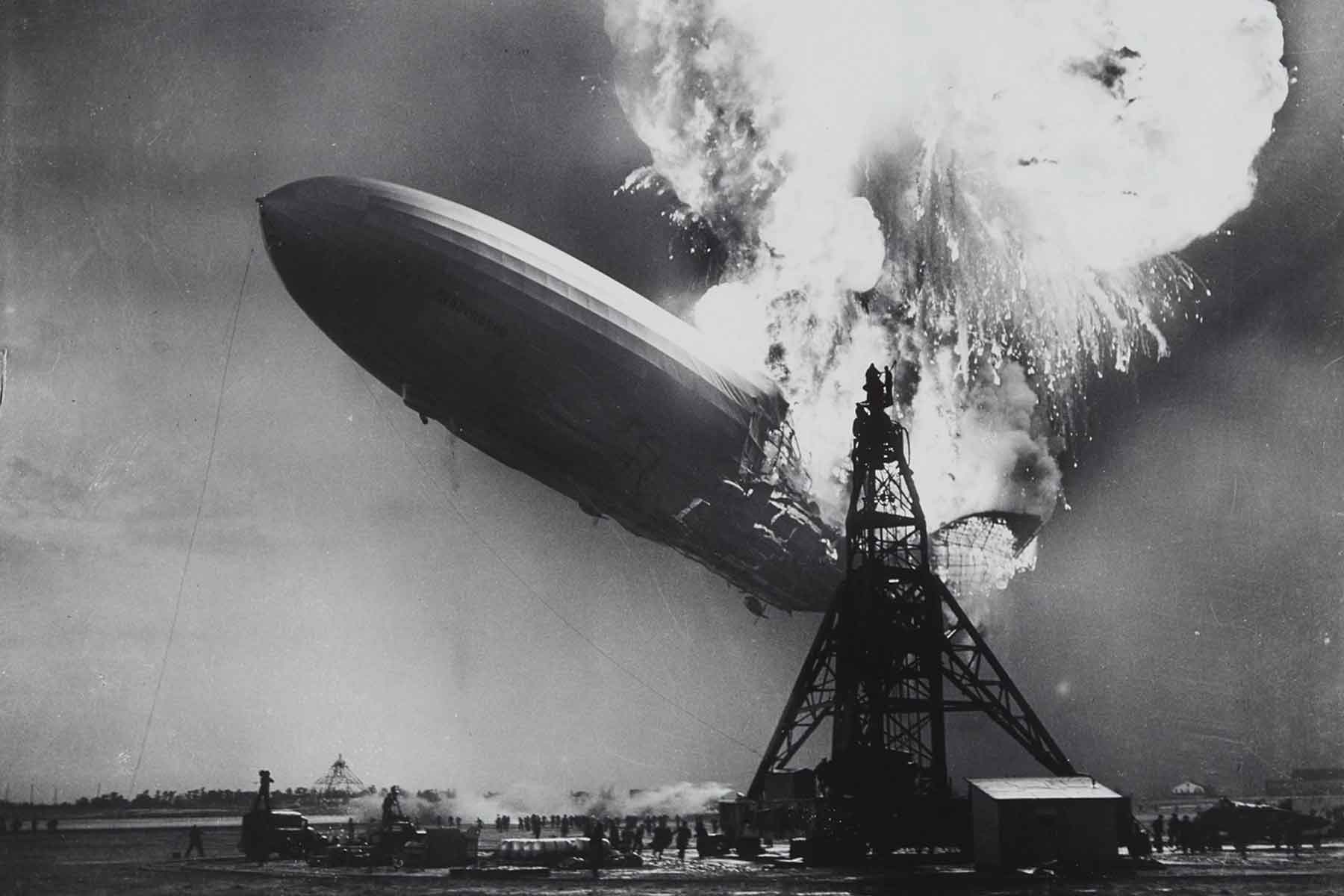
16. The Hindenburg Disaster (1937)
Sam Shere photographed the German airship Hindenburg engulfing in flames as it attempted to dock in New Jersey. The disaster killed 36 people and ended the era of passenger airships.
The dramatic image, combined with radio reporter Herbert Morrison's emotional broadcast, created one of history's first multimedia news events, changing how disasters were covered forever.
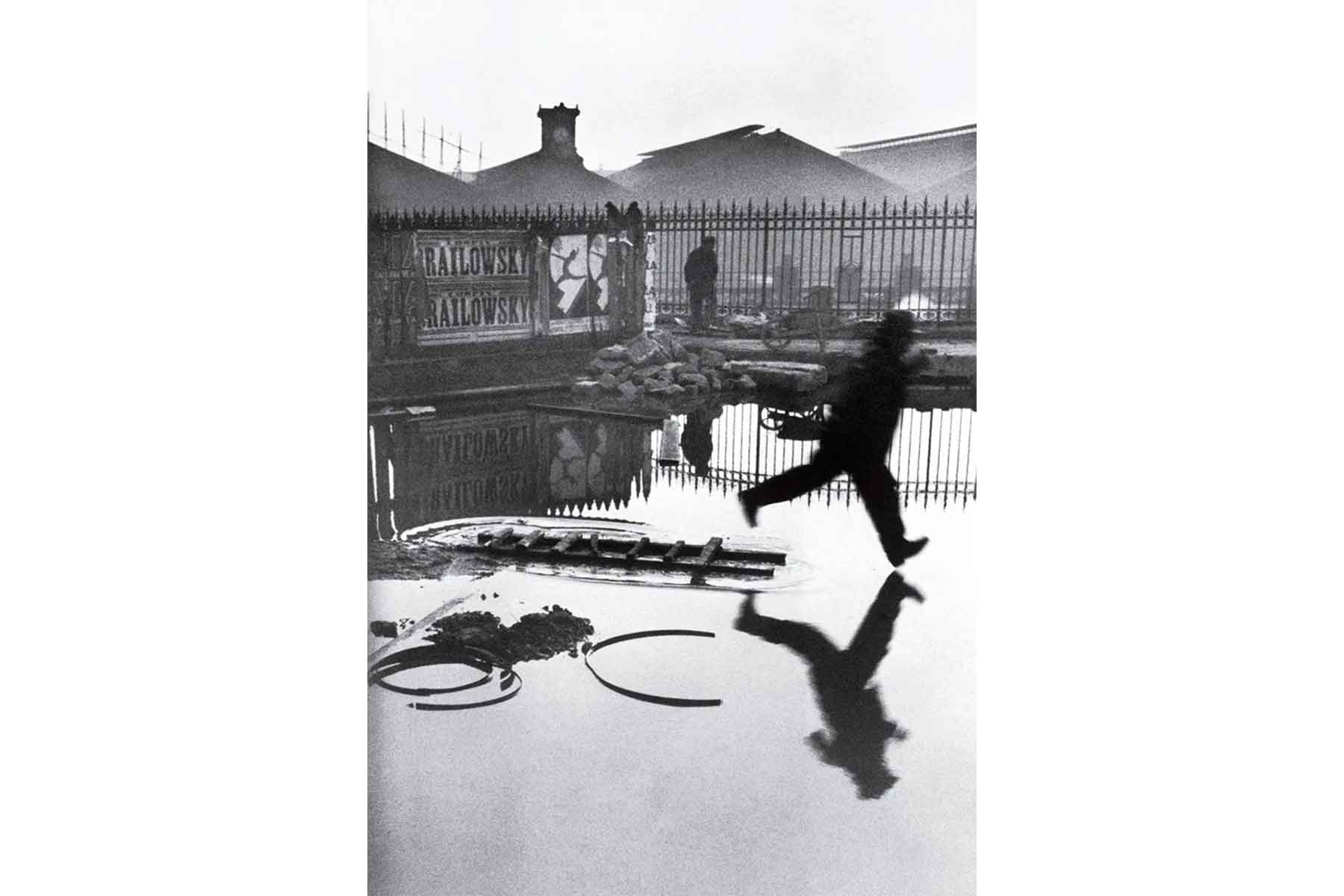
17. Behind the Gare Saint-Lazare (1932)
Henri Cartier-Bresson captured a man leaping over a puddle, his reflection perfectly mirrored below. This "decisive moment" exemplifies timing and composition in street photography.
The image demonstrates Cartier-Bresson's philosophy that photography captures fleeting instants of perfection. It influenced generations of photographers to seek extraordinary moments in ordinary life.
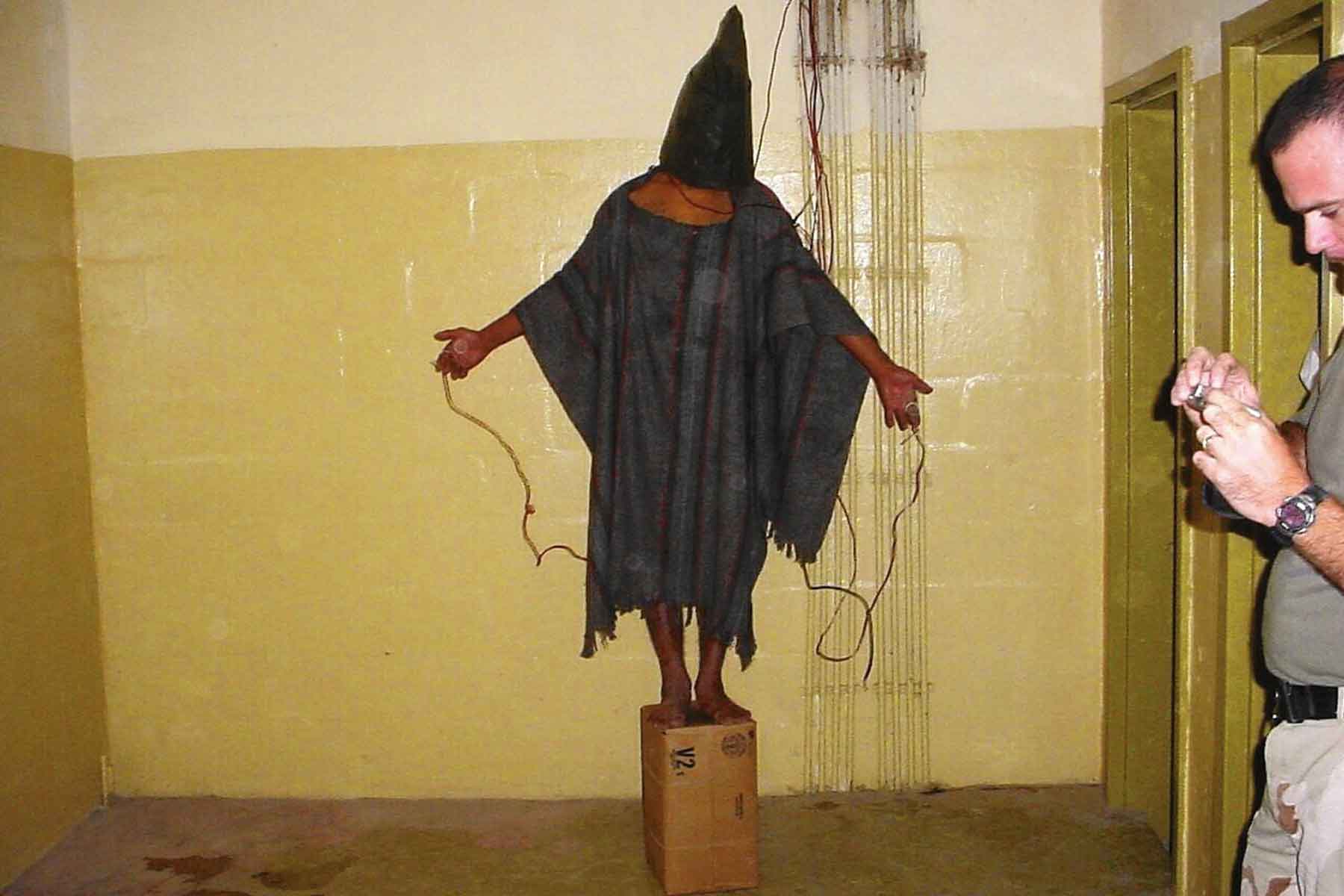
18. The Hooded Man (2003)
An Iraqi detainee stands on a box with wires attached to his fingers, arms outstretched, hooded and draped in cloth at Abu Ghraib prison. The image exposed systematic prisoner abuse.
This photograph became the face of American military misconduct during the Iraq War. Its pose eerily echoed Christian crucifixion imagery, creating a powerful indictment of torture and human rights violations.
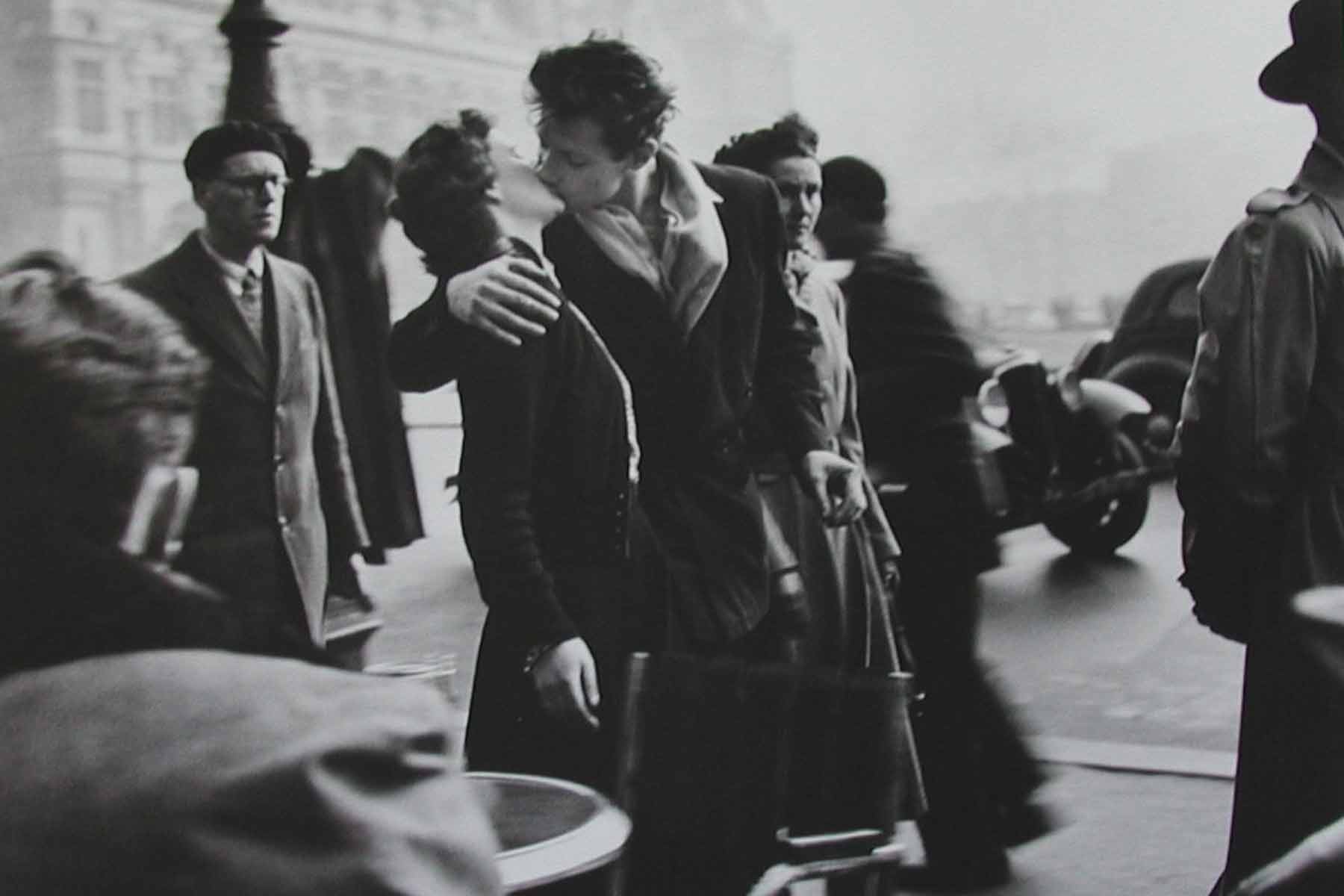
19. The Kiss by the Hôtel de Ville (1950)
Robert Doisneau's romantic photograph of a couple kissing on a Paris street became an icon of love and French culture. The seemingly candid moment was actually staged with models.
When revealed as staged decades later, some felt deceived. Yet the photograph's emotional truth remains powerful, capturing the timeless romance of Paris and the universal language of love.
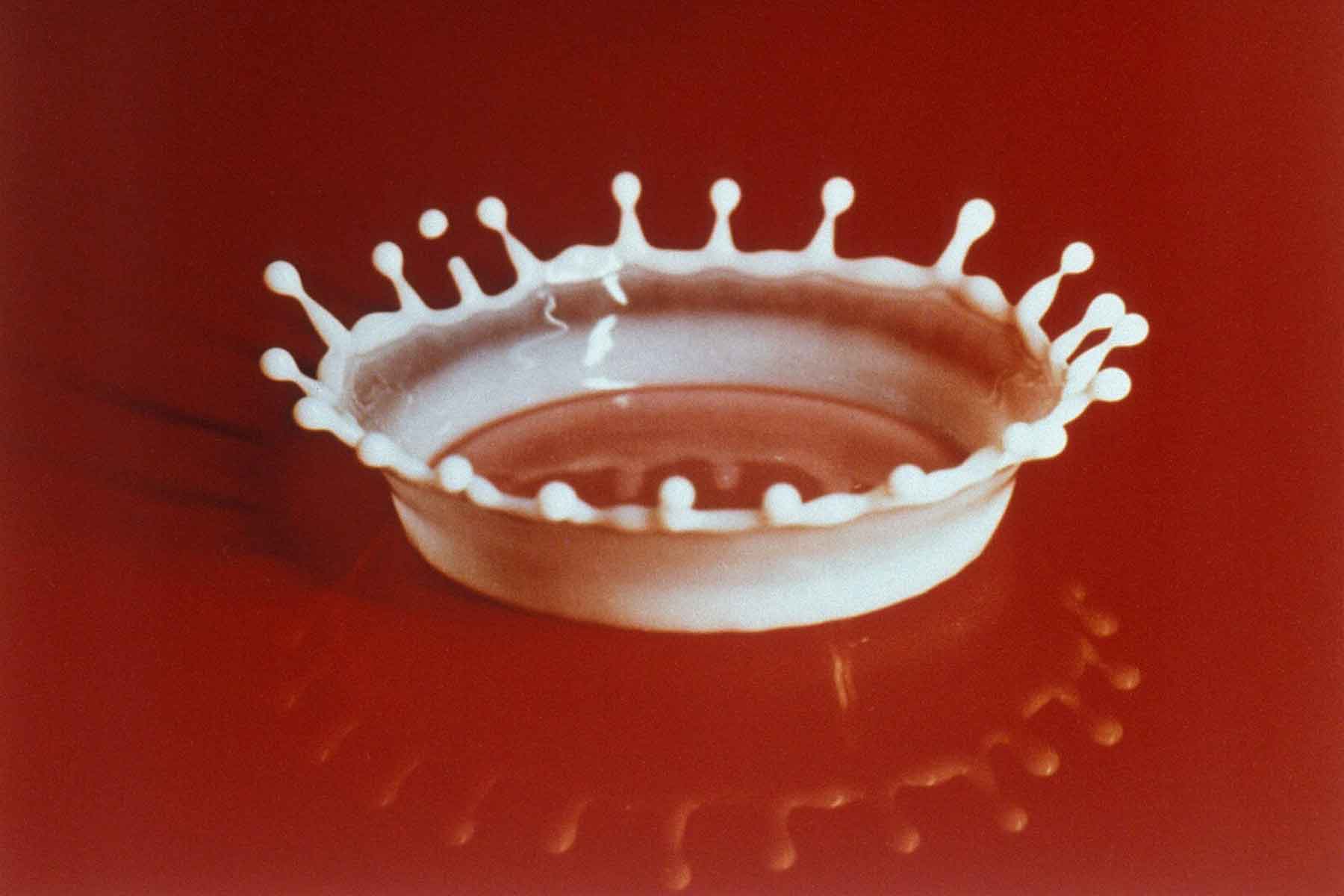
20. Milk Drop Coronet (1957)
Harold Edgerton's high-speed photography captured a single drop of milk creating a perfect crown-like splash. This technical marvel revealed beauty in phenomena invisible to the naked eye.
Edgerton pioneered strobe photography, allowing scientists and artists to see motion frozen in time. His work bridged art and science, proving that technical precision could create stunning beauty.
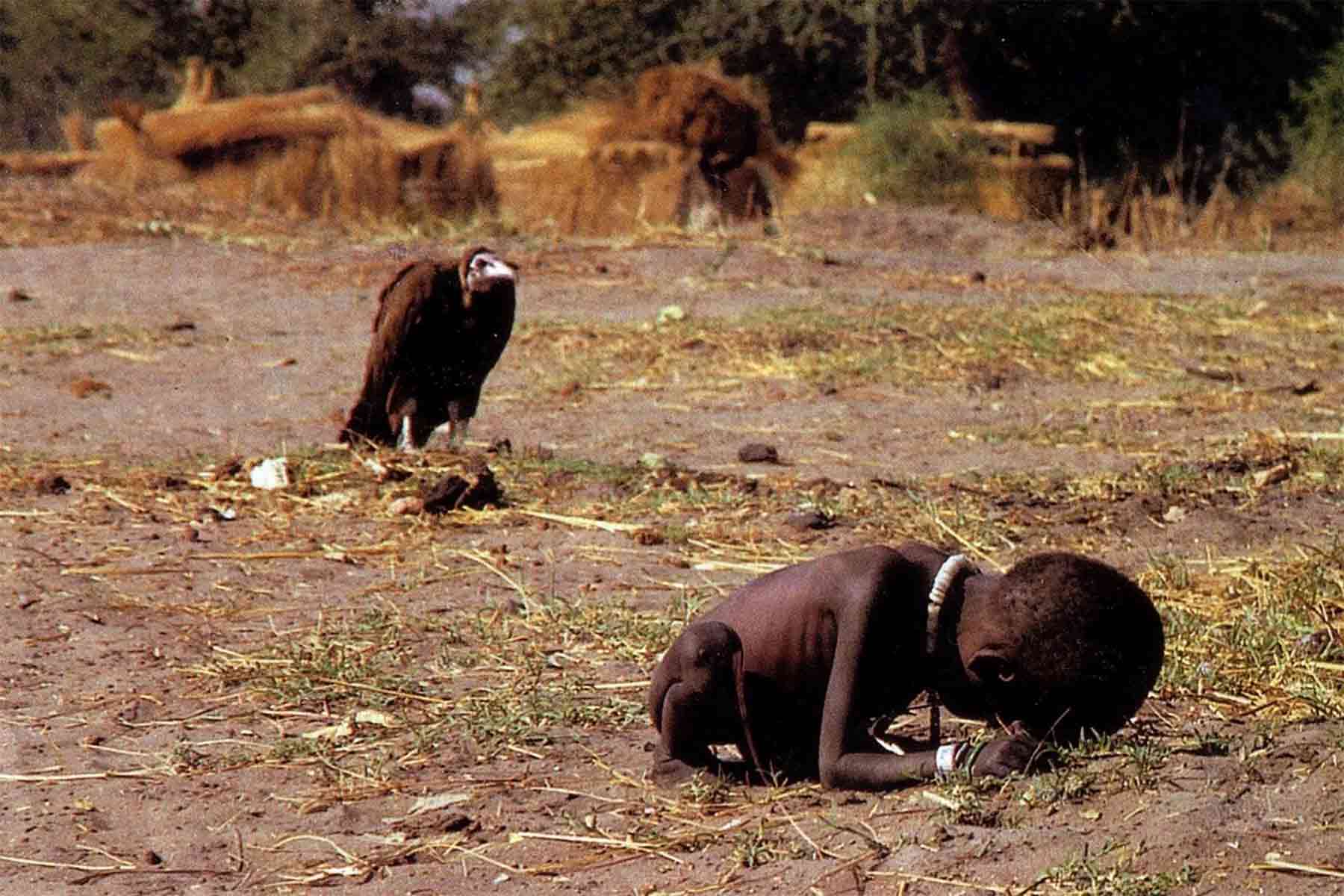
21. The Vulture and the Little Girl (1993)
Kevin Carter photographed a starving Sudanese child with a vulture waiting nearby during a famine. The haunting image won a Pulitzer Prize but sparked ethical debates about photojournalism.
Critics questioned why Carter didn't help the child immediately. The controversy highlighted photographers' difficult position documenting suffering, and Carter tragically took his own life shortly after receiving his award.
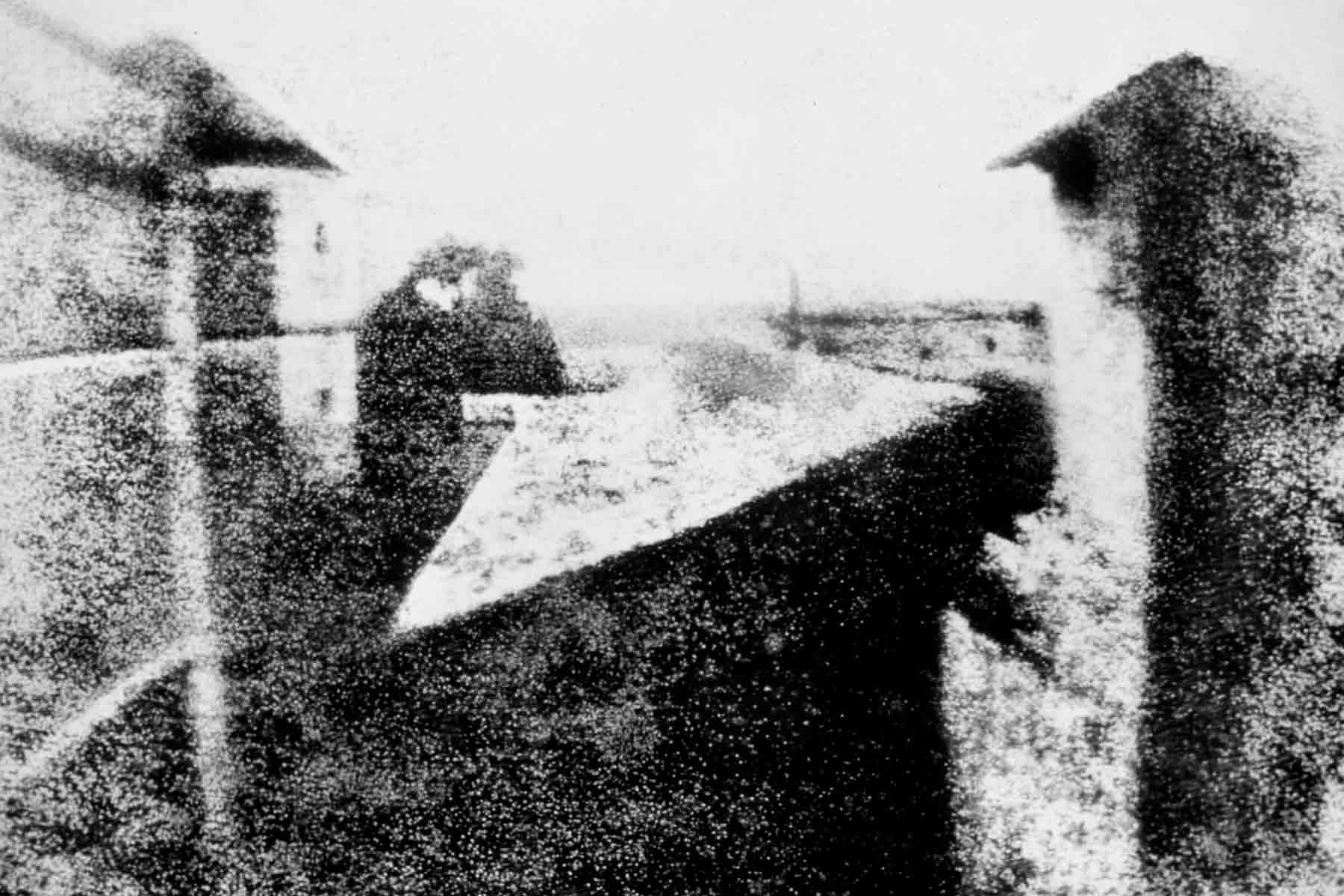
22. The First Photograph (1826 or 1827)
Joseph Nicéphore Niépce created the first permanent photograph from nature, "View from the Window at Le Gras." The exposure took approximately eight hours, capturing a hazy courtyard view.
This grainy image launched an entirely new art form and method of documentation. It's the ancestor of every photograph that followed, marking the moment when light was permanently captured.
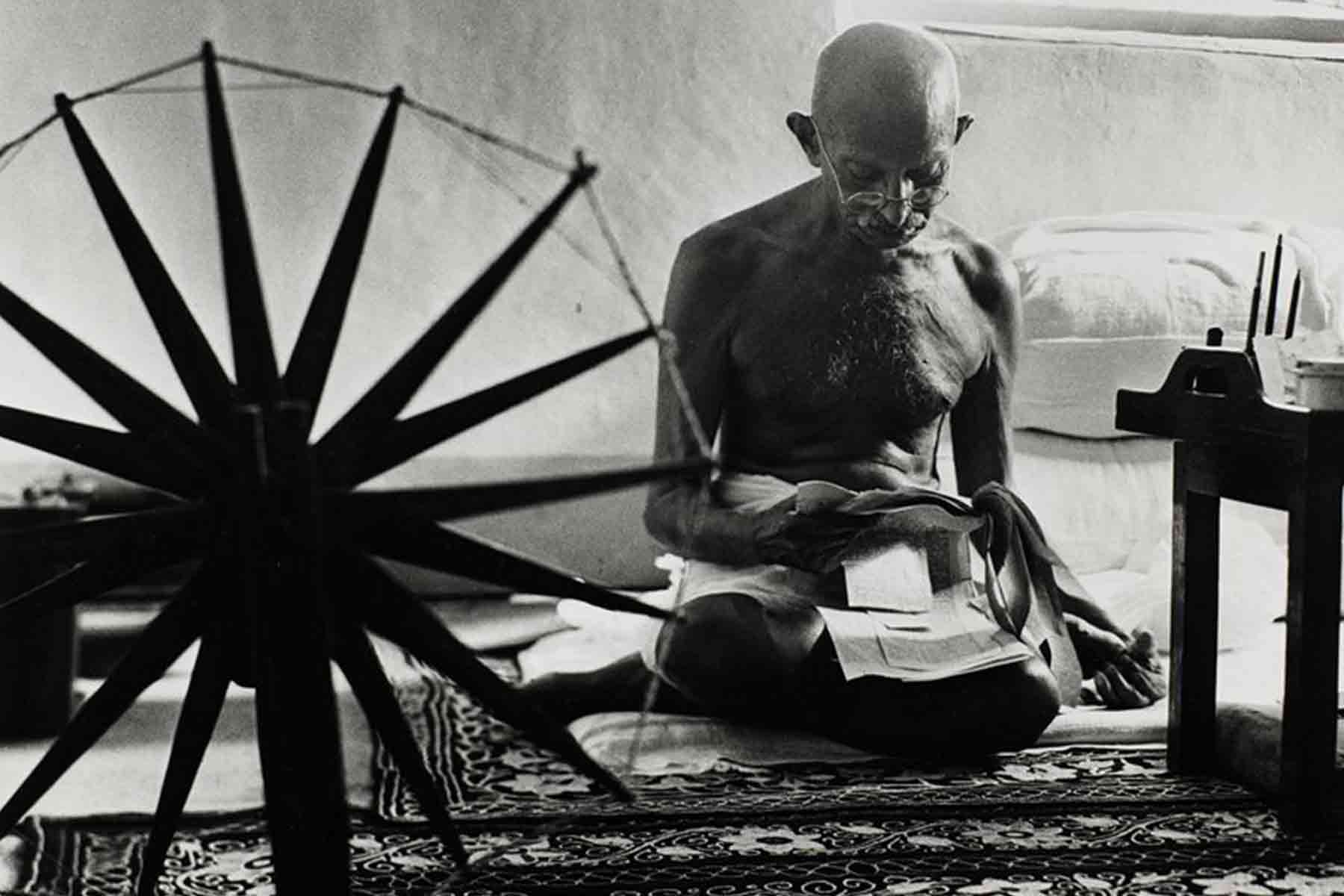
23. Gandhi and the Spinning Wheel (1946)
Margaret Bourke-White photographed Mahatma Gandhi beside his spinning wheel, symbolizing India's independence movement and self-reliance. Gandhi initially banned cameras from his presence that day.
Bourke-White's persistence paid off when Gandhi granted her just three flash photographs. She captured a simple yet powerful portrait of one of history's most influential peaceful revolutionaries.
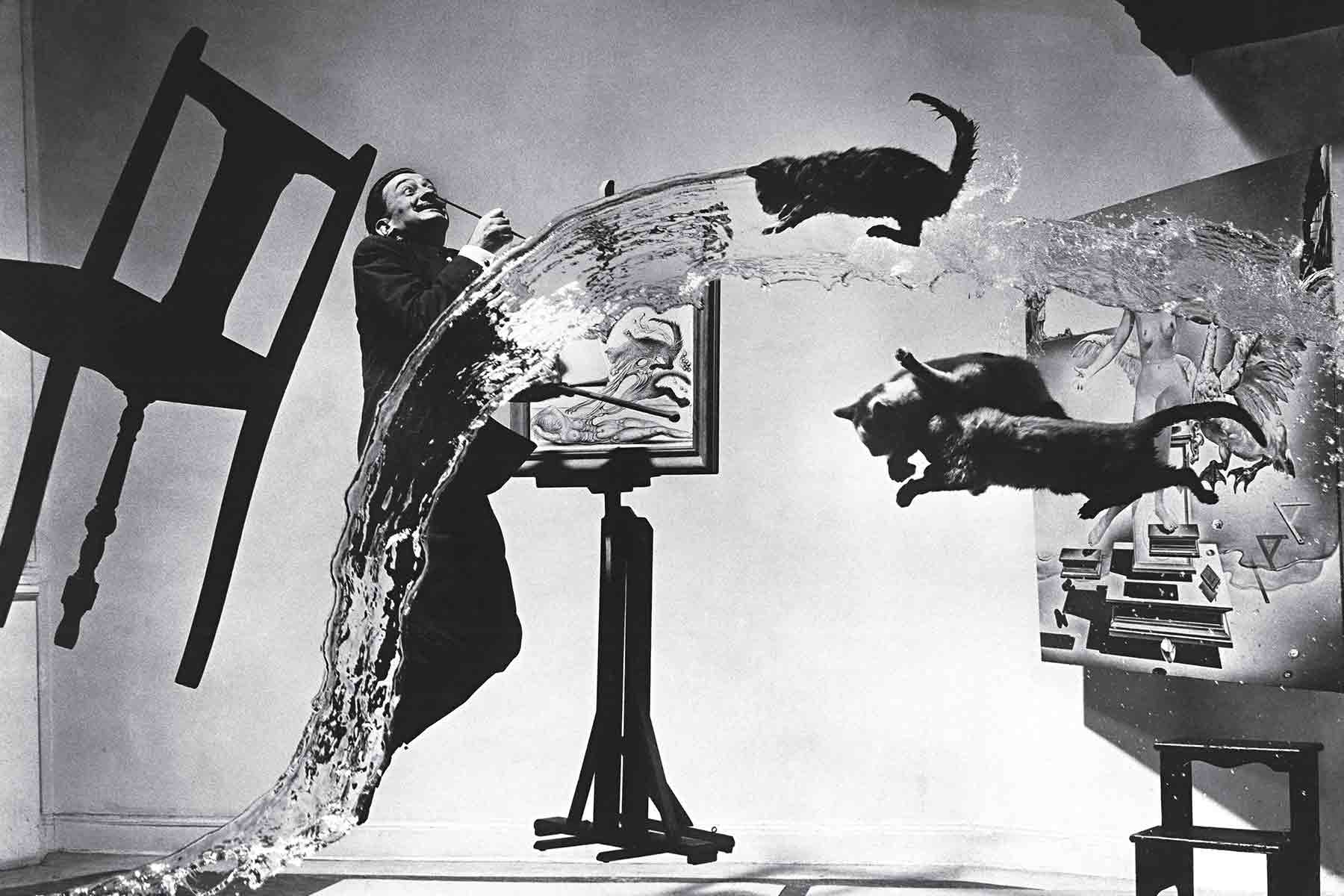
24. Dali Atomicus (1948)
Philippe Halsman captured Salvador Dalí suspended mid-air alongside three flying cats, a stream of water, and floating furniture. The surrealist masterpiece required 28 attempts to achieve perfect timing.
Halsman and assistants threw cats and water while Dalí jumped, all timed to a split-second. No photo manipulation was used—just incredible coordination and persistence, creating an image as surreal as Dalí's paintings themselves.
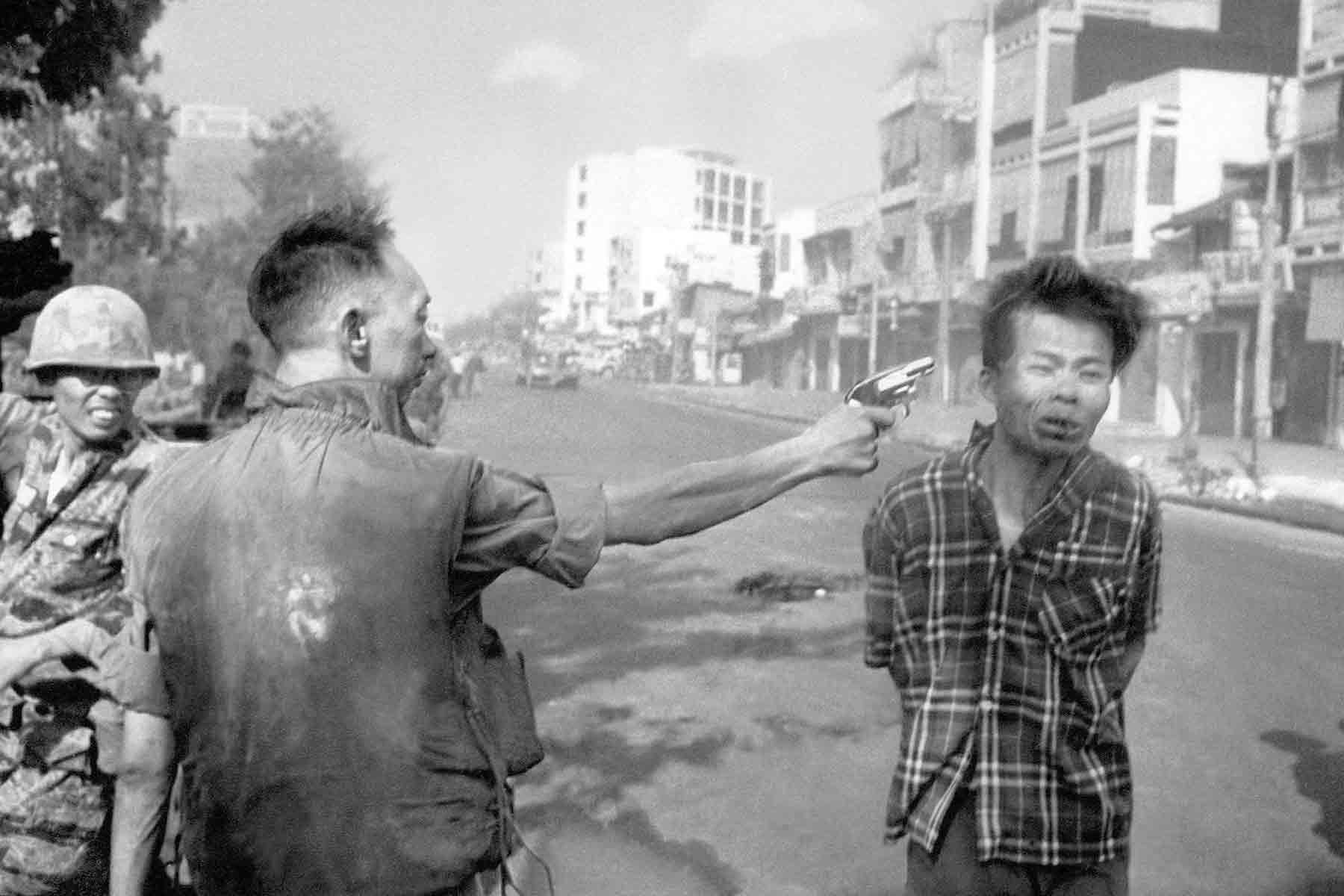
25. Saigon Execution (1968)
Eddie Adams captured South Vietnamese General Nguyễn Ngọc Loan executing a Viet Cong prisoner on a Saigon street. The brutal, point-blank shooting shocked the world.
Adams later regretted the photograph's impact on Loan's life, saying the general killed a soldier but he killed a general with his camera. The image remains a stark reminder of war's savage immediacy.
The enduring power of photography
Great photographs endure because they speak truths that transcend language and time. They remind us that a single frame can contain entire stories, teaching us about ourselves and our shared history.
Whether capturing cosmic wonders, historical turning points, or intimate human moments, photography remains our most powerful tool for preserving memory and bearing witness to the world around us.
Ready to capture your own iconic photos?
Inspired by these legendary images? With the right guidance and practice, you can develop the skills to capture your own memorable photographs that tell compelling stories.
Working one-on-one with a photography instructor is the fastest way to improve your craft. Personalized instruction allows you to focus on your specific interests, whether that's portrait photography, landscapes, street photography, or photojournalism. You'll learn professional techniques, master your camera settings, and develop your unique artistic vision.
Using our proprietary cost database, in-depth research, and collaboration with industry experts, we deliver accurate, up-to-date pricing and insights you can trust, every time.