Popular Korean Foods: Cuisine and Culture
Popular Korean Foods: Cuisine and Culture

Cuisine of Korea
From the sizzle of Korean BBQ to the spicy crunch of kimchi, Korean food has captured the hearts and appetites of people worldwide. Whether you've fallen in love with the culture through K-pop or simply followed the mouthwatering scent of street food stalls, exploring the cuisine of Korea offers a delicious window into the country's rich history and traditions.
This guide takes you beyond just the flavors, diving deep into the stories, etiquette, and iconic dishes that make this culinary tradition so unique.
The philosophy behind the cuisine of Korea
To truly appreciate Korean food, it helps to understand the philosophy that shapes every meal.
Korean culinary culture is deeply connected to the belief that food supports health and balance. Traditional cooking reflects the principle of harmony through obangsaek, the five elemental colors (red, yellow, white, black, and green). These colors symbolize nutrients, natural elements, and even emotional wellness.
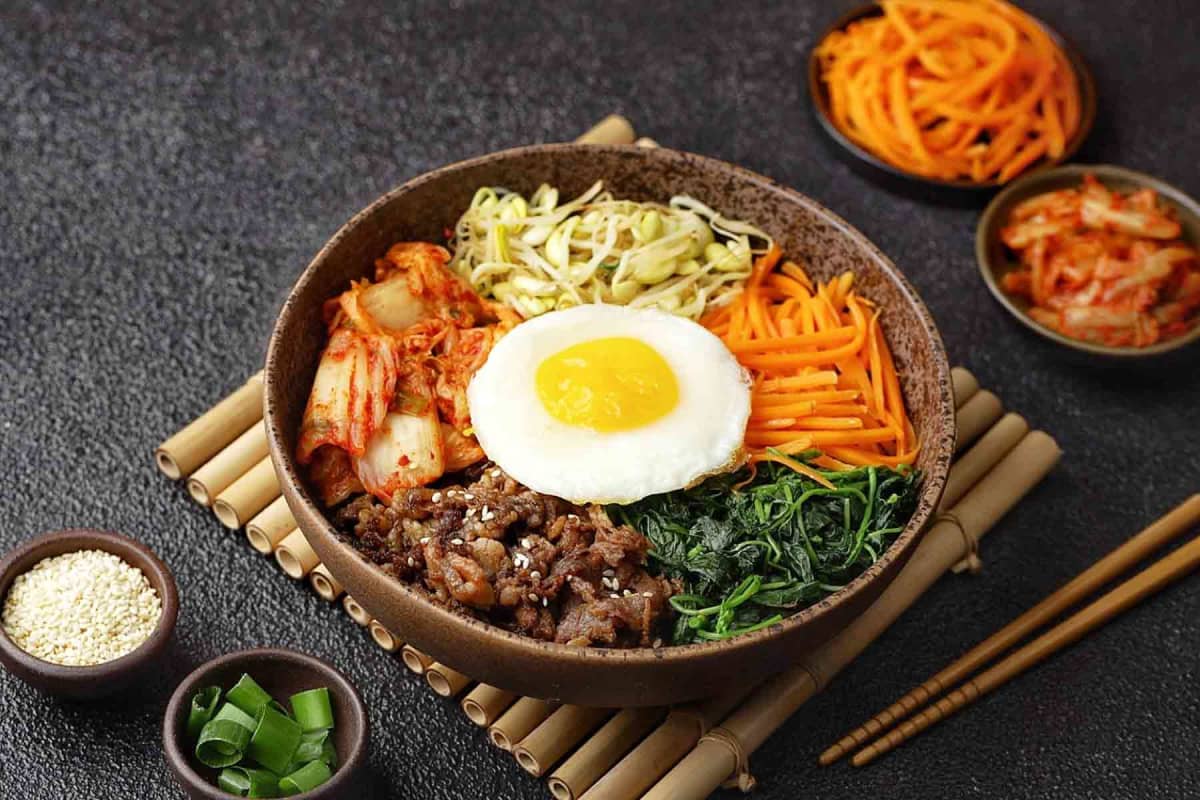
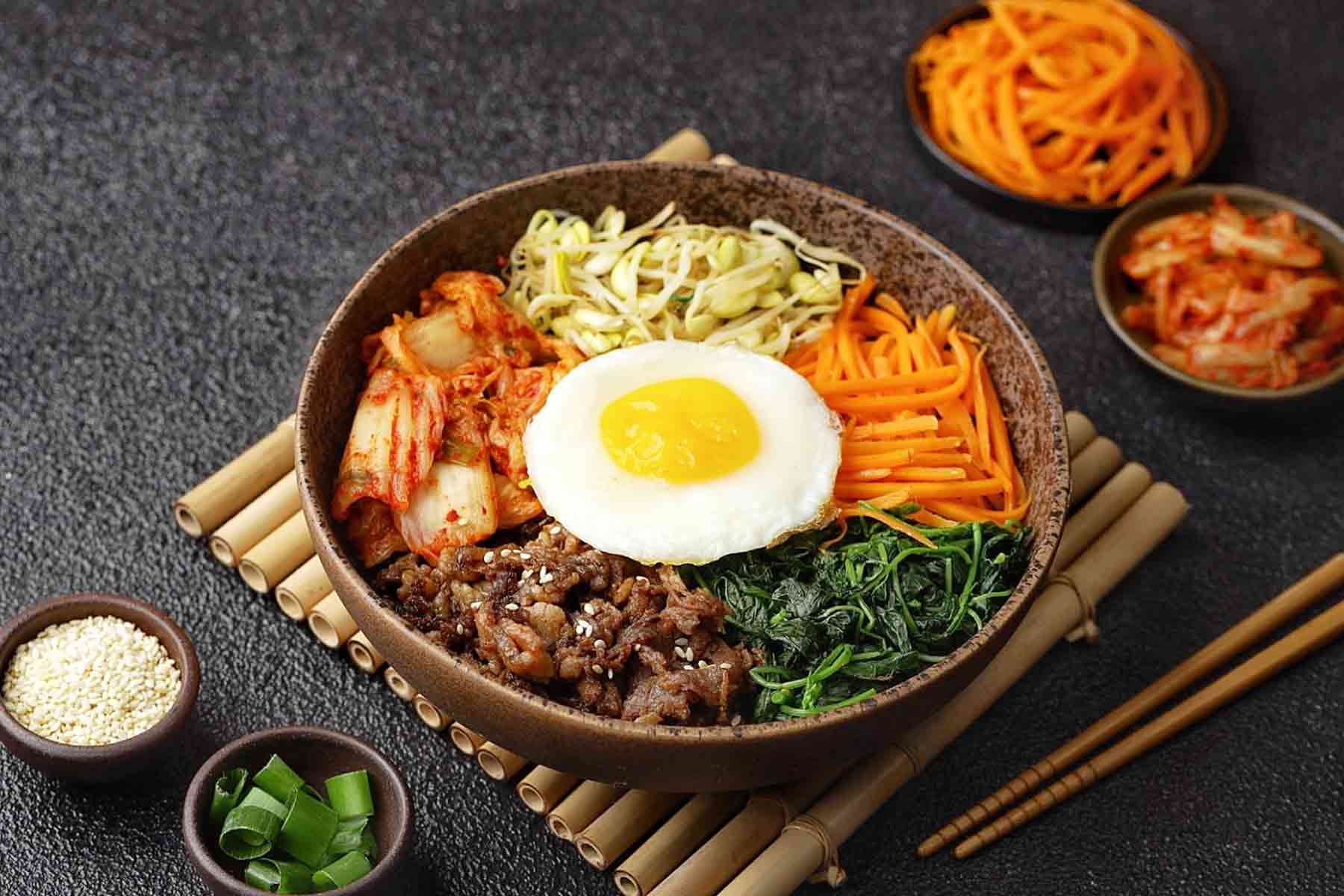
Meals aim to balance textures and flavors—spicy, savory, bitter, sour, and sweet—so the body receives a variety of benefits. A bowl of bibimbap is a perfect example: diverse vegetables, proteins, and grains arranged in a harmonious whole both visually and nutritionally.
A bite of Korean history
Korean cuisine has evolved over thousands of years, shaped by geography, royal court culture, Buddhism, and trade.
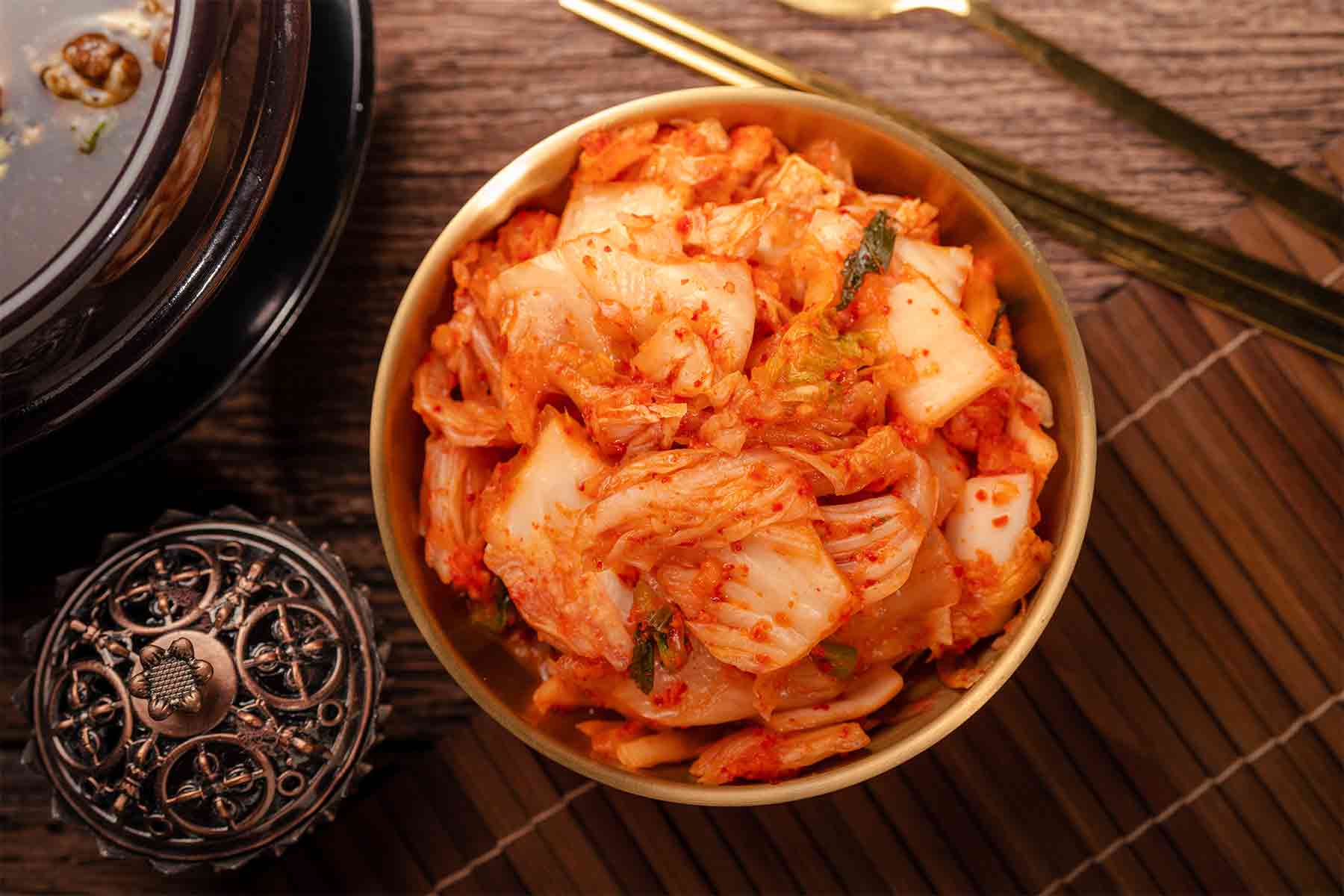
During the Three Kingdoms period (4th to 7th centuries), fermentation became essential for preserving food through long winters. This gave rise to staples like doenjang (soybean paste) and early forms of kimchi, which originally were not spicy—more similar to lightly salted and fermented vegetables.
The bold red flavor we associate with Korean food today only emerged later. Chili peppers arrived in Korea in the 16th to 17th century, likely through global trade routes, transforming kimchi and other dishes into the vibrant cuisine we know now.
Essential Korean dining etiquette
Sharing a meal is a central part of social life in Korea, and it comes with a specific set of manners that reflect the culture's deep respect for hierarchy and community.
Respect your elders
Age determines the flow of the meal. You should never pick up your chopsticks or spoon until the eldest person at the table has started eating. Similarly, you should try to match their pace and not finish your meal significantly earlier than them.
Phrases to know
Showing appreciation is essential! Before eating, it is polite to say "Jal meokkessubnida" (I will eat well), acknowledging the effort put into the meal. When you are finished, saying "Jal meogeosseubnida" (I have eaten well) signals your satisfaction and gratitude.
Table manners
Unlike in some other Asian cultures, lifting your rice or soup bowl off the table is considered rude. Instead, leave the bowl on the table and use your spoon to eat rice and soup. Chopsticks are generally reserved for side dishes and meat.
Never stick your chopsticks upright in your rice bowl – this resembles funeral rituals and is considered very unlucky!
Famous Korean food: main dishes you must try
If you are looking to explore popular Korean dishes, the variety can be overwhelming. The following table breaks down some of the most iconic foods you will encounter in restaurants and homes alike.
| Dish name | Description | Main ingredients | Best for |
|---|---|---|---|
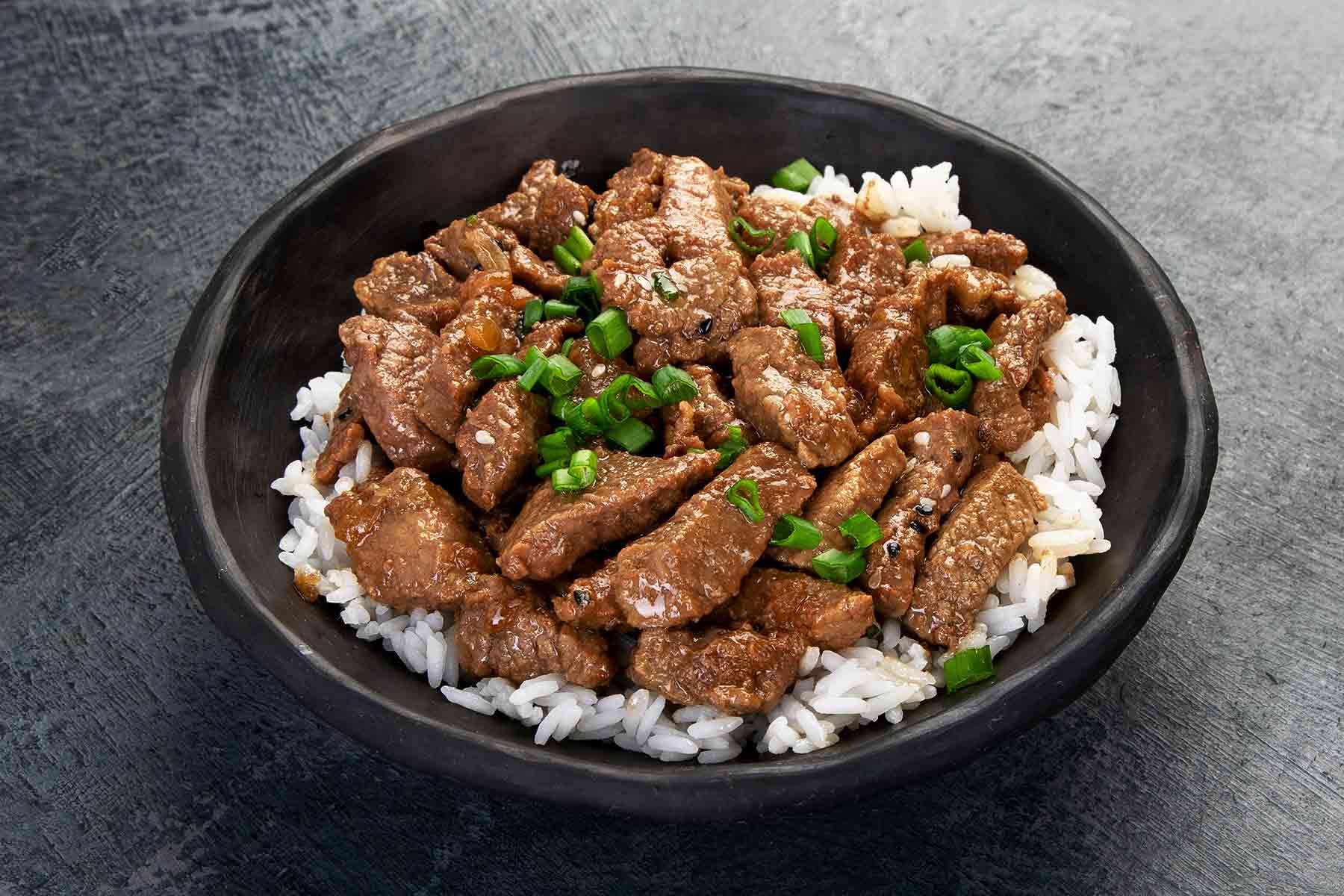
| Bulgogi | Sweet marinated grilled beef | Beef, soy sauce, pear juice, and garlic | Korean BBQ beginners; group feasts |
| Bibimbap | Mixed rice bowl with vegetables and egg | Rice, vegetables, gochujang, and egg, meat | Vegetarians; health-conscious meals; lunch time |
| Kimchi jjigae | Spicy kimchi stew | Kimchi, pork, tofu, and gochugaru | Cold weather comfort |
| Japchae | Stir-fried glass noodles | Sweet potato noodles, vegetables, and sesame oil | Holidays; birthday parties; special events |
| Samgyetang | Ginseng chicken soup | Whole chicken, ginseng, and glutinous rice | Summer health boost; revitalizing meals |
| Tteokbokki | Spicy rice cakes | Rice cakes, gochujang, and fish cakes | Street food; after-school snack |
| Korean fried chicken |
Ultra-crispy fried chicken | Chicken and various glazes | Friends' night out; late-night cravings |
| Mandu | Korean dumplings | Pork, vegetables, or kimchi filling | New Year's meals; party appetizers |
The magic of banchan: Korean side dishes
One of the most delightful surprises for first-time diners is banchan – the small side dishes that accompany every meal and arrive at your table without ordering them. Traditional Korean meals might include five to twelve different banchan, each adding its own flavor and texture to the meal.
Common banchan include seasoned spinach, sautéed bean sprouts, marinated radish, and naturally, kimchi. Some banchan are fresh and crunchy, others are soft and savory. The variety ensures that every bite of your meal can be different.
Restaurants in Korea automatically serve banchan with meals, and they're typically refillable at no extra cost. This generous approach to side dishes reflects Korean hospitality and the cultural importance of abundance at the table.
Korean street food culture
You cannot talk about popular Korean food without mentioning the vibrant street food scene. Known as pojangmacha, street stalls are where you find some of the most addictive and affordable snacks.
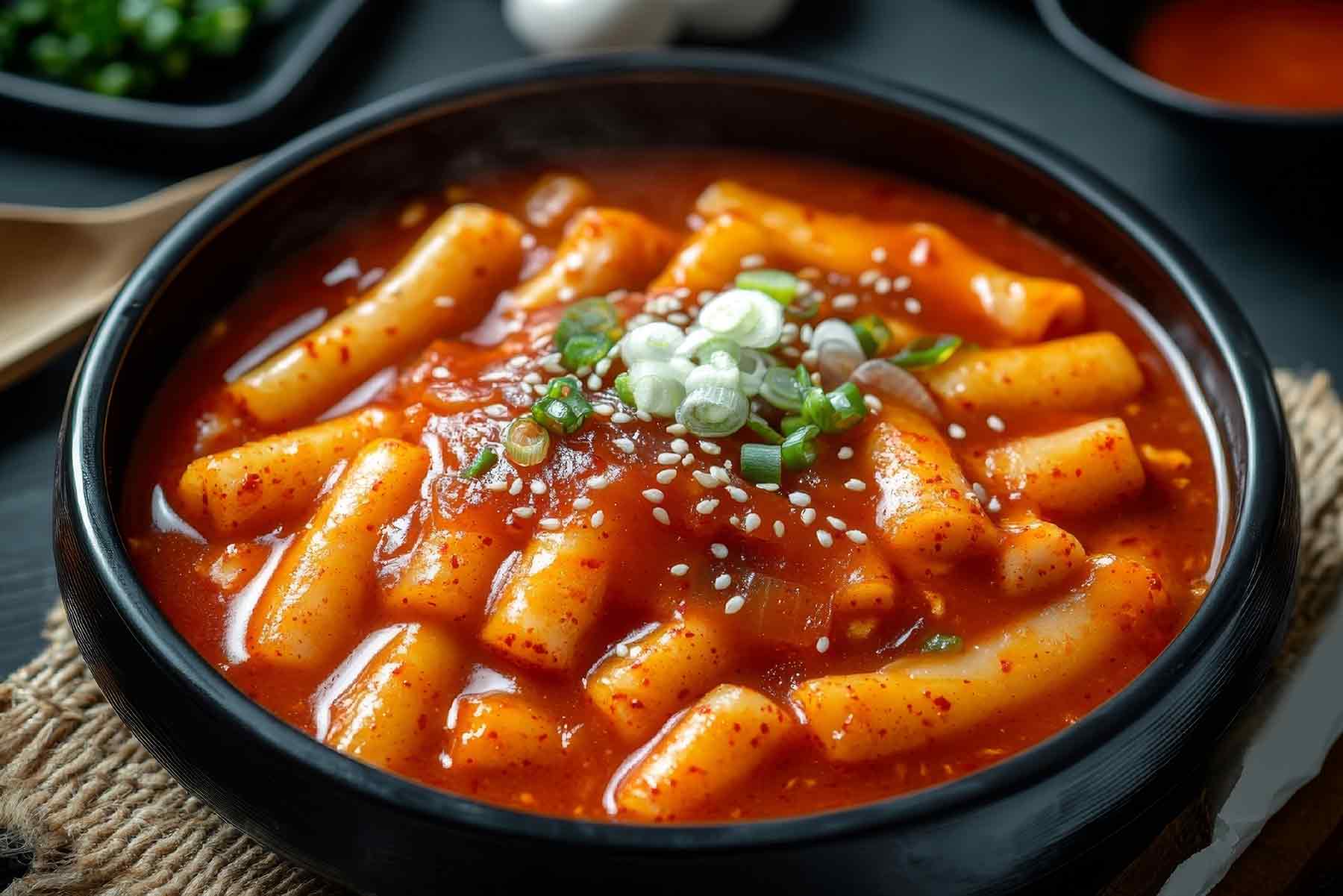
Tteokbokki
These chewy, cylinder-shaped rice cakes simmered in a spicy, sweet red chili sauce are a national obsession. They are often enjoyed with fish cakes (eomuk) and are a staple comfort food for students and workers alike.
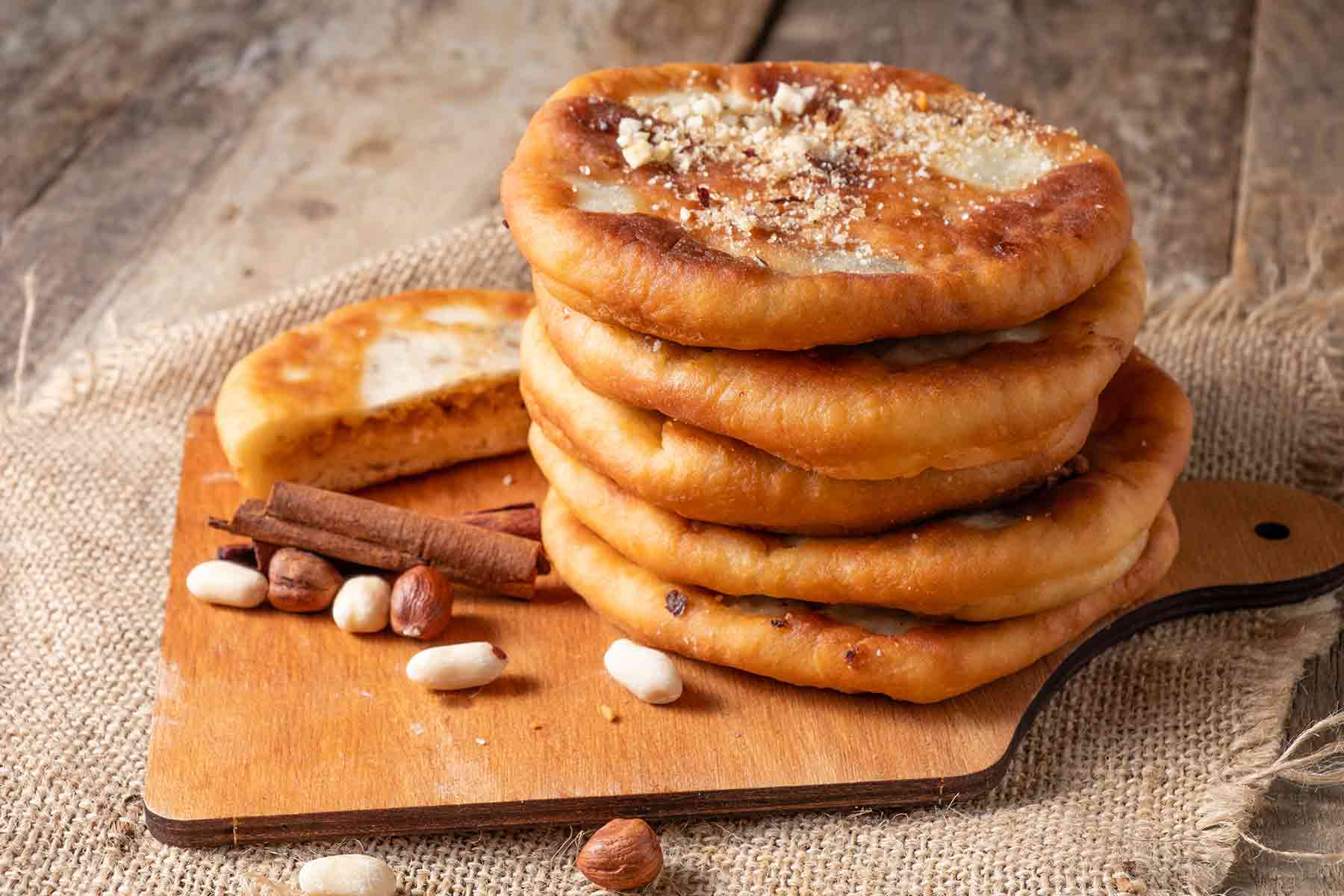
Hotteok
A winter favorite, these sweet pancakes are filled with a mixture of brown sugar, cinnamon, and nuts. They are fried until golden and crispy on the outside, with a hot, syrupy filling that oozes out when you take a bite.
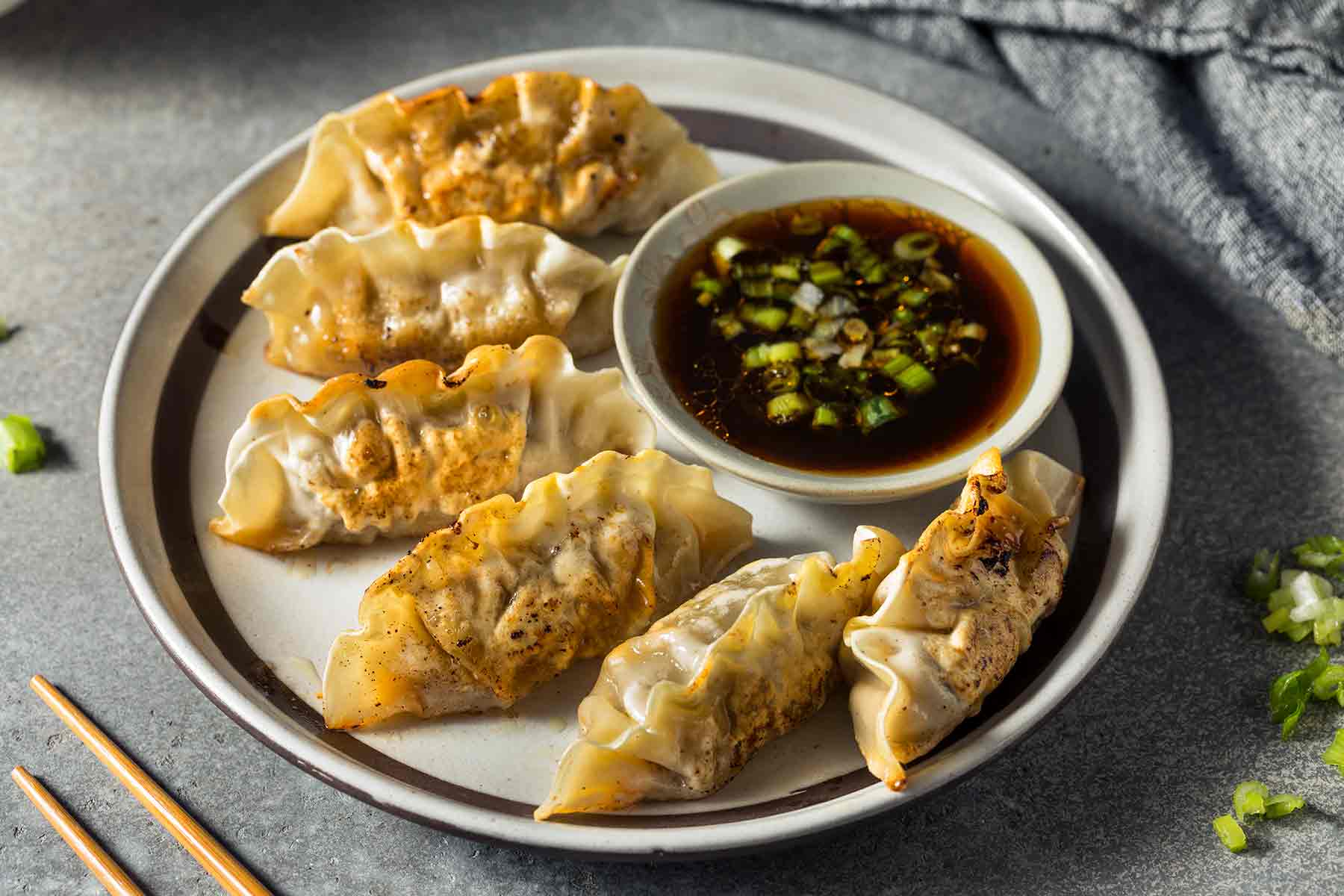
Mandu
Korean dumplings, or mandu, can be steamed, boiled, or fried. Filled with mixtures of pork, glass noodles, tofu, and vegetables, they are a versatile snack found in markets and specialized shops. The kimchi variety offers a spicy kick that distinguishes them from their Chinese or Japanese counterparts.
Street food is a big part of everyday life — especially for students and workers looking for comfort and fun.
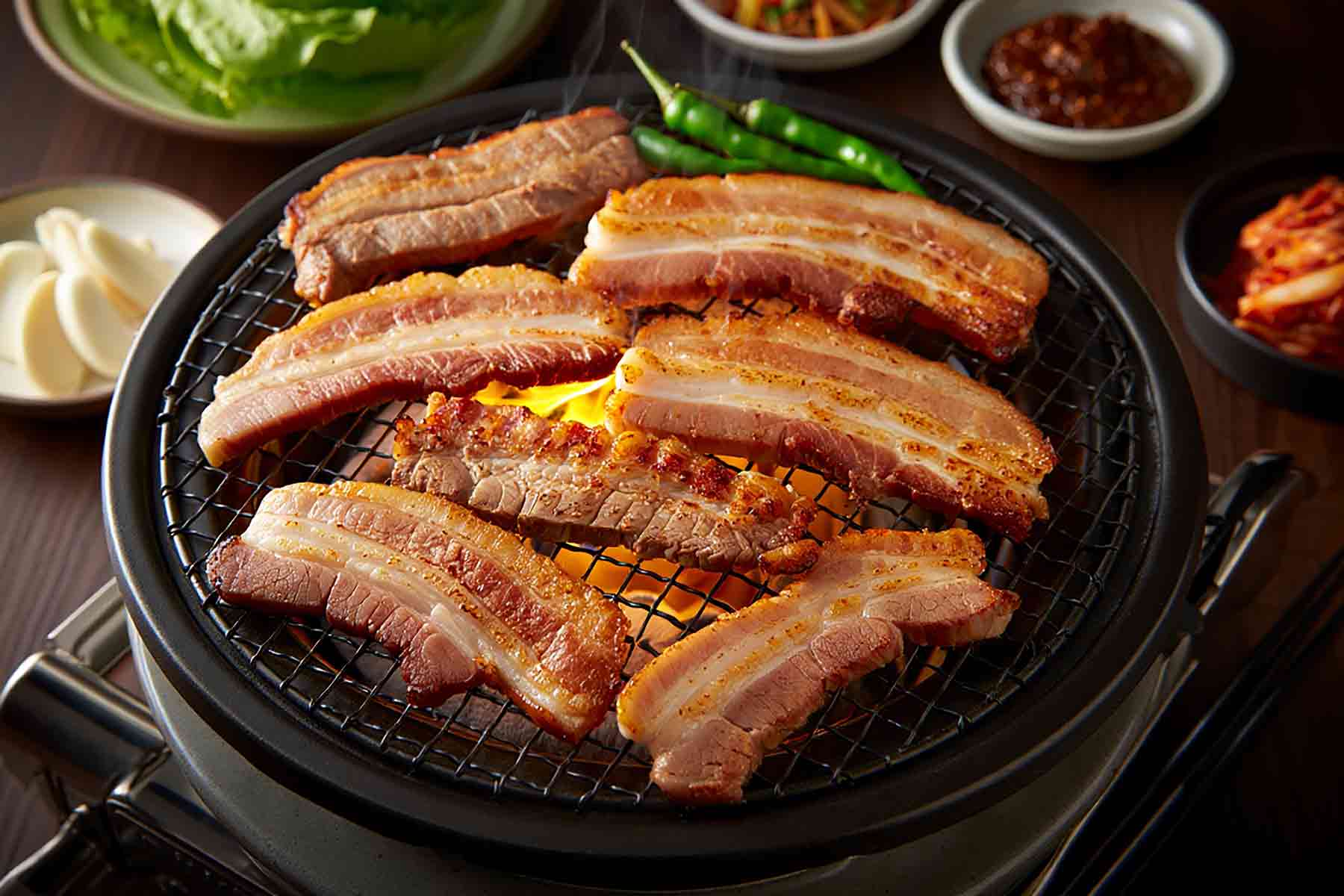
Korean BBQ: A social event
Korean BBQ, or gogi-gui, is perhaps the most famous export of cuisine of Korea, and it is as much about interaction as it is about flavor. Diners gather around a grill built into the table to cook their own cuts of meat, such as samgyeopsal (pork belly) or galbi (short ribs).
The method of eating is just as important as the cooking. You take a leaf of lettuce or perilla, place a piece of cooked meat inside, top it with garlic, a dab of savory soybean paste (ssamjang), and perhaps some rice or kimchi. You wrap it all into a bite-sized package and eat it in one go.
This interaction—cooking, wrapping, and feeding friends—epitomizes the communal spirit that makes popular Korean food so special.
Modern trends in Korean cuisine
K-food has exploded in popularity globally, riding the wave of K-pop and Korean dramas. This visibility has introduced millions of people to popular Korean dishes they might never have encountered otherwise. Korean fried chicken, once a local specialty, now has dedicated restaurants worldwide.
Fusion innovations continue to evolve. Bulgogi burgers, kimchi tacos, and Korean-style pizzas show how adaptable Korean flavors are to other cuisines. These modern twists expand the possibilities while honoring the original foundations.
Health-conscious eaters increasingly appreciate Korean food for its natural emphasis on vegetables, fermented foods, and balanced nutrition. The cuisine fits perfectly with modern wellness trends without compromising on flavor or satisfaction.
Learn to cook Korean food yourself
Reading about all these popular Korean dishes is just the first step — cooking brings the culture to life! A great Korean cooking class can teach you the essential techniques, like mastering the art of fermentation or blending the perfect bulgogi marinade.
Jump into the kitchen and discover how rewarding it is to prepare your own authentic Korean foods from scratch!
Using our proprietary cost database, in-depth research, and collaboration with industry experts, we deliver accurate, up-to-date pricing and insights you can trust, every time.