
Famous Italians in History: The Icons Who Shaped Our World
Famous Italians in History: The Icons Who Shaped Our World

Famous Italians in history
From the marble halls of ancient Rome to the golden age of the Renaissance and beyond, famous Italians have left an indelible mark on the world. It's almost impossible to discuss Western art, science, music, or exploration without mentioning the contributions of famous Italian people who actively shaped history.
When you think of Italy, you might picture amazing food or stunning landscapes, but the nation's true legacy is the iconic Italian people whose ideas and creations are still celebrated hundreds of years later.
| Name | Era | Primary contribution |
|---|---|---|
| Julius Caesar | Ancient Rome | General & statesman; ended Republic; paved way for Empire |
| Dante Alighieri | Late middle ages | Divine Comedy ; elevated Tuscan dialect to literary Italian |
| Marco Polo | Late middle ages | Venetian explorer; described Asia to Europe (journey 1271 – 1295) |
| Donatello | Early renaissance | Sculptor; bronze David ( first nude male since antiquity) |
| Sandro Botticelli | Early renaissance | Painter of The Birth of Venus & Primavera |
| Leonardo da Vinci | High renaissance | Painter & inventor; Mona Lisa , Last Supper |
| Christopher Columbus | Age of discovery | Genoese navigator; began lasting Europe – Americas contact |
| Niccolò Machiavelli | High renaissance | Political thinker; The Prince (1513) |
| Michelangelo | High renaissance | Sculptor–painter; David ; Sistine Chapel ceiling |
| Raphael | High renaissance | Painter; School of Athens ; ideal harmony |
| Caravaggio | Baroque | Painter; dramatic realism and light–dark contrast ( tenebrism ) |
| Galileo Galilei | Scientific revolution | Astronomer; improved telescope; backed heliocentrism |
| Antonio Vivaldi | Baroque | Composer; The Four Seasons (1725) |
| Giuseppe Verdi | Romantic | Opera composer; Aida , La traviata ; nationalist icon |
| Maria Montessori | Modern | Educator; founded child-led Montessori Method (1907) |
| Guglielmo Marconi | Modern | Wireless pioneer; developed long-distance radio |
| Enrico Fermi | Modern | Physicist; led first nuclear reactor (1942) |
| Federico Fellini | Modern | Filmmaker; La Dolce Vita , 8½ |
| Giorgio Armani | Modern | Designer; redefined menswear (1934–2025) |
| Luciano Pavarotti | Modern | Opera tenor; “King of the High Cs” |
| Sophia Loren | Modern | Actress; first Oscar for foreign-language role ( Two Women ) |
From emperors to explorers
The Italian peninsula has been a center of power and ideas for millennia. Even before the Renaissance, these famous Italian people were setting the stage for a new world.
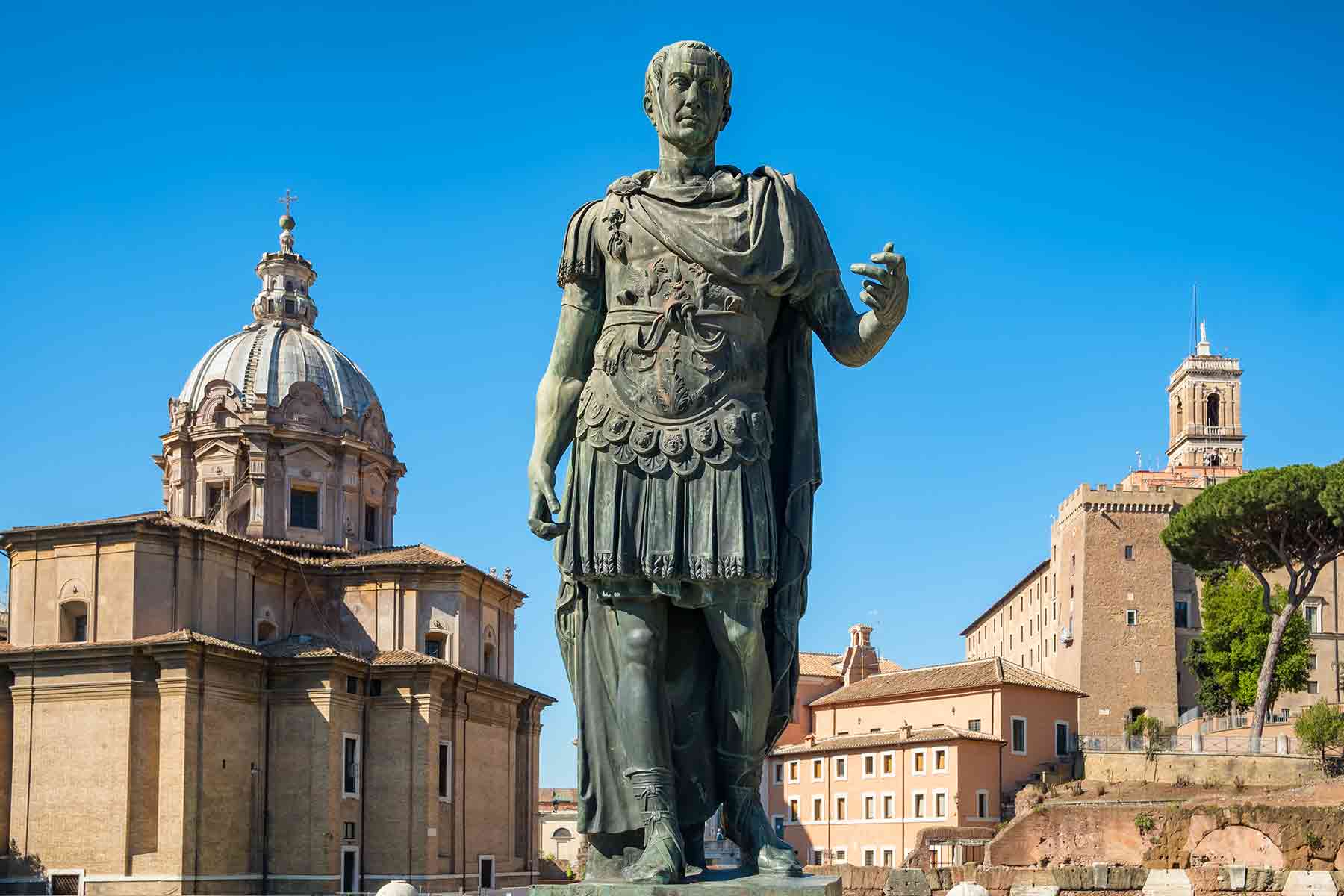
Julius Caesar (100 BCE – 44 BCE)
It's impossible to talk about Italian history without mentioning Julius Caesar. A brilliant and ambitious Roman general, he conquered Gaul (modern-day France) and became one of the most powerful men in the world. His actions brought about the end of the Roman Republic and paved the way for the rise of the Roman Empire under Augustus, fundamentally changing Western government forever.
Marco Polo (c. 1254 – 1324)
In the 13th century, Marco Polo, a Venetian merchant, embarked on an epic 24-year journey to Asia. His book, The Travels of Marco Polo, introduced Europeans to the wealth and cultures of Asia, particularly China and the Mongol Empire. While some modern historians question whether he personally reached China, his account sparked a wave of curiosity and helped inspire future exploration.
Dante Alighieri (c. 1265 – 1321)
Before the Renaissance, Dante Alighieri was a poet who elevated the Tuscan dialect into a literary language. His epic poem, The Divine Comedy, is a masterpiece of world literature that takes the reader through Hell, Purgatory, and Paradise. By writing in Italian instead of Latin, he helped establish a national literary language, earning him the title "Father of the Italian Language."
The titans of the Renaissance
If there's one era that showcases Italian genius, it's the Renaissance. This rebirth of art and culture was spearheaded by artists who are still household names today. This period is the reason we have so many famous Italian painters and sculptors.
Donatello (c. 1386 – 1466)
Donatello was one of the earliest masters, a sculptor who brought a shocking new realism and emotion back to art. His bronze David was the first free-standing nude sculpture since antiquity, a bold statement that helped kick-start a new era of humanistic art.
Sandro Botticelli (c. 1445 – 1510)
If you've ever seen The Birth of Venus, you know the work of Sandro Botticelli. This famous artist from Italy captured the grace and mythological beauty of the Early Renaissance. His dreamlike paintings, like Primavera and Venus, are icons of the Florentine golden age.
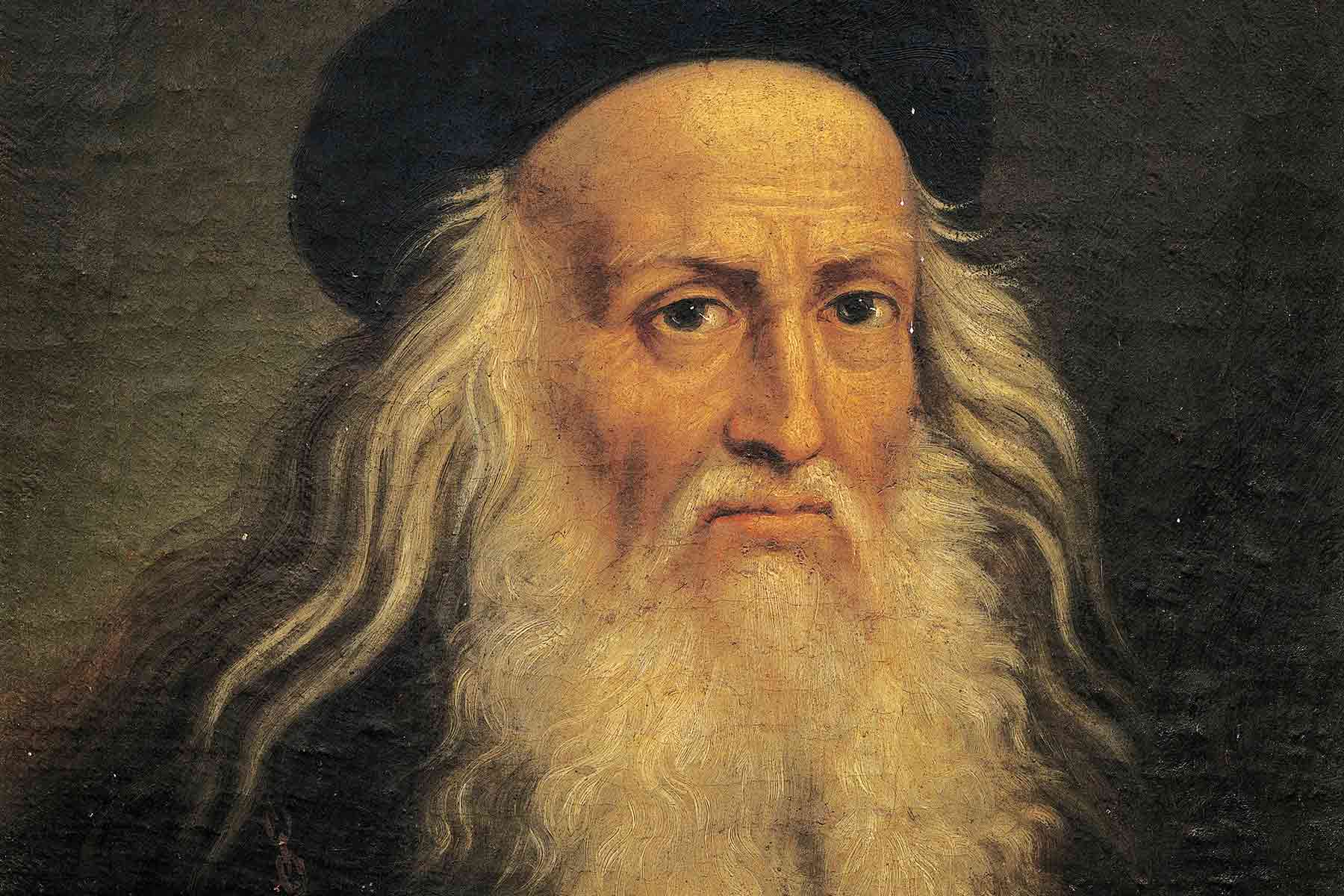
Leonardo da Vinci (1452 – 1519)
Leonardo da Vinci was a painter, sculptor, inventor, scientist, and visionary. He gave the world The Last Supper and the Mona Lisa, a portrait so famous it has its own mystique. His notebooks overflowed with ideas—from helicopters to tanks—sketched centuries before technology could realize them.
Michelangelo (1475 – 1564)
While Leonardo embodied breadth, Michelangelo embodied intensity. He considered himself a sculptor first, creating the breathtaking marble David and Pietà. As a painter, he transformed the Sistine Chapel ceiling into one of humanity's most ambitious works of art.
Raphael (1483 – 1520)
Completing the "trinity" of High Renaissance masters, Raphael was known for his clarity, grace, and serene harmony. His fresco, The School of Athens, is a perfect summary of the Renaissance itself, gathering all the great thinkers of history into one idealized space.
Changing how we see the world
Italy's influence didn't stop with art. These well-known Italians were thinkers, explorers, and artists who challenged the status quo and laid the groundwork for our modern understanding of the world.
Christopher Columbus (c. 1451 – 1506)
Perhaps the most famous explorer of all, the Genoese-born Christopher Columbus sought a western route to the Indies. Although he underestimated the world's size, his four voyages across the Atlantic, starting in 1492, connected the "Old World" of Europe with the "New World" of the Americas, changing the course of human history (though Norse explorers had reached North America centuries earlier).
Caravaggio (1571 – 1610)
Michelangelo Merisi da Caravaggio was a famous artist from Italy who broke all the rules. Working in the Baroque era, he used dramatic, intense lighting (called tenebrism) and shockingly realistic models to make his religious scenes feel immediate and human. His work was controversial in its day but went on to influence countless painters after him.
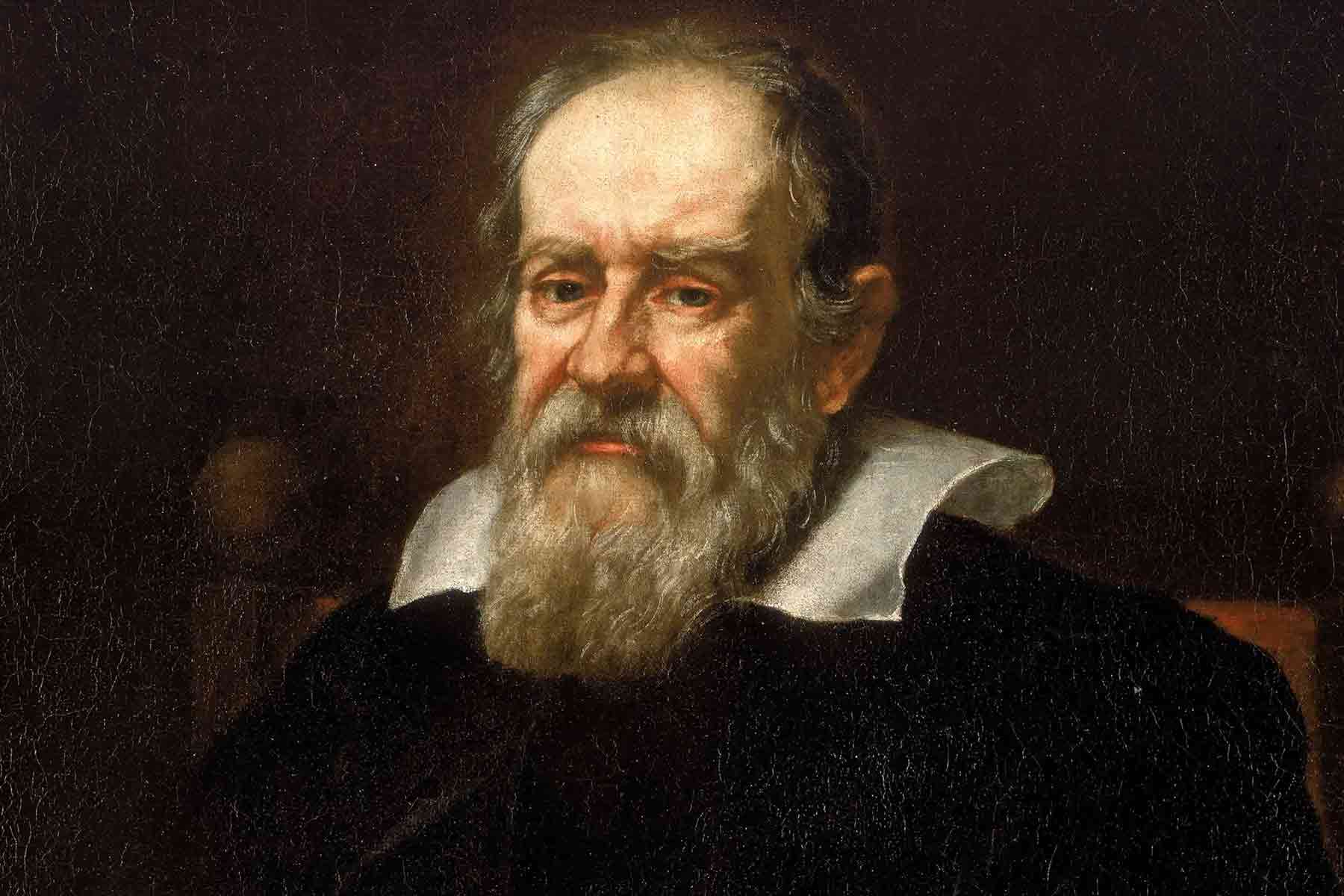
Galileo Galilei (1564 – 1642)
Often recognized as the "father of modern science," Galileo made significant contributions as an astronomer, physicist, and engineer. He improved the telescope dramatically, using it to discover the moons of Jupiter and observe the phases of Venus.
Galileo Galilei's observations also provided powerful support for the heliocentric model (the idea that the Earth revolves around the Sun), challenging Church doctrine and shaping modern astronomy.
Niccolò Machiavelli (1469 – 1527)
While Galileo looked to the stars, Niccolò Machiavelli looked to power itself. His book The Prince was a candid guide on how rulers gain and keep control. Written in 1513 and published in 1532, its realism and pragmatism made “Machiavellian” a permanent political term.
The masters of music and invention
From the strings of a violin to invisible radio waves, Italians have shaped both culture and technology.
Antonio Vivaldi (1678 – 1741)
You know his music, even if you don't know his name. Antonio Vivaldi's The Four Seasons remains one of the most beloved and recognizable pieces of classical music ever composed. This Baroque-era composer and violin virtuoso's work is full of energy and emotion that still feels fresh today.
Giuseppe Verdi (1813 – 1901)
Later, Giuseppe Verdi became a giant of opera, with his works like Aida and La traviata defining the art form. His powerful choruses and dramatic melodies became symbols of Italian nationalism during the country's unification, and his music is still a staple in opera houses everywhere.
Guglielmo Marconi (1874 – 1937)
Can you imagine a world without wireless communication? You can thank Guglielmo Marconi. Often credited as the "father of radio," this inventor and electrical engineer pioneered long-distance radio transmission. His work laid the foundation for modern wireless technology, though other inventors such as Nikola Tesla and Alexander Popov also made important contributions.
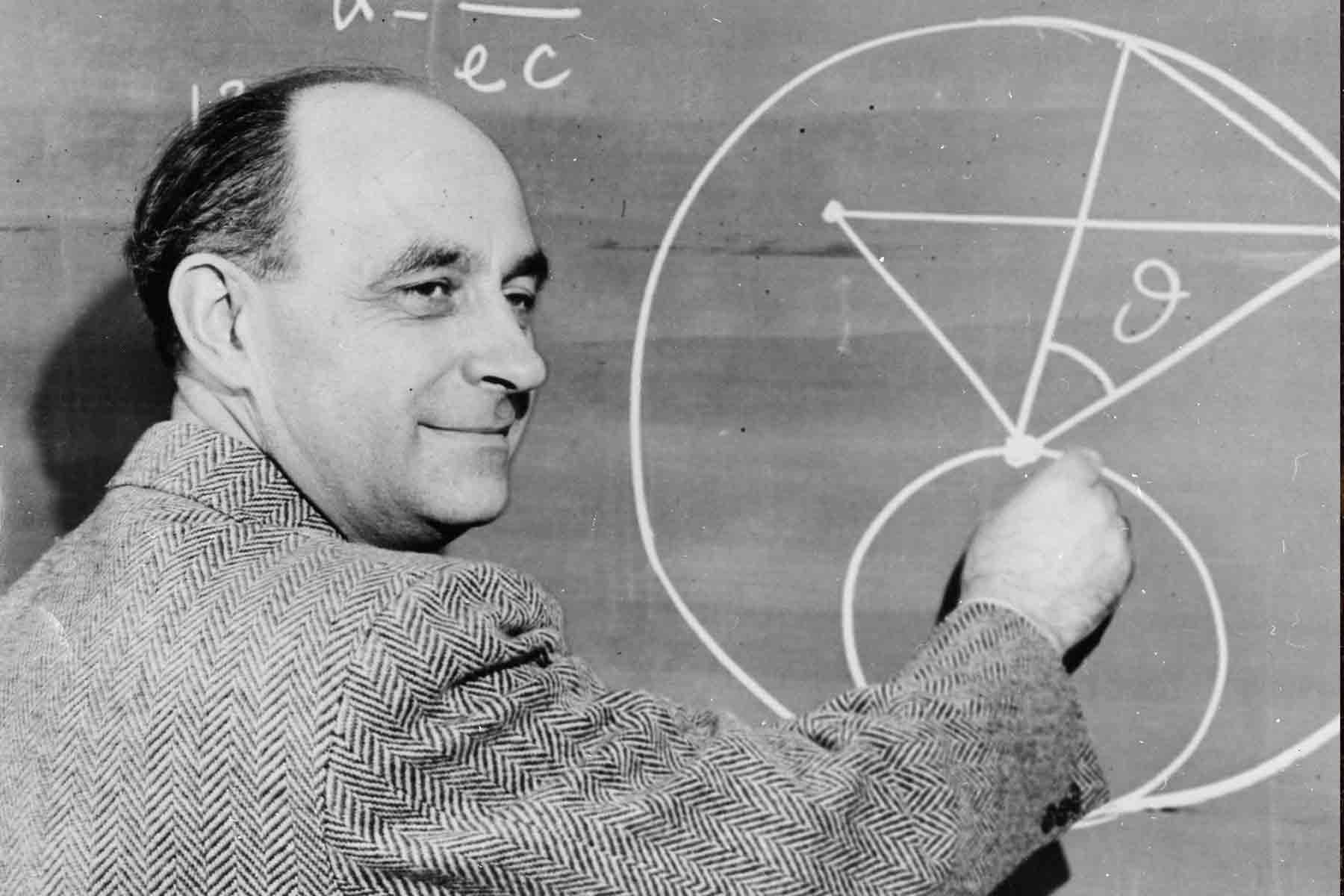
Enrico Fermi (1901 – 1954)
Another giant of science, Enrico Fermi is called the "architect of the nuclear age." This physicist led the creation of the world’s first nuclear reactor, Chicago Pile-1, in 1942. His discoveries in nuclear physics and quantum theory transformed modern science.
Modern Italian icons
Italy's cultural dominance has continued into the modern era, producing some of the most recognized Italian celebrities and thinkers in the world.
Maria Montessori (1870 – 1952)
Not all influence is artistic or political. Maria Montessori was a physician and educator who developed a new way of teaching. The Montessori Method, which focuses on child-led, hands-on learning, has since been adopted by thousands of schools around the globe, changing the way we think about education.
Federico Fellini (1920 – 1993)
In the 20th century, filmmaker Federico Fellini redefined cinema with his surreal, beautiful, and deeply personal movies. Films like La Dolce Vita and 8½ made "Fellini-esque" a term for a unique style of filmmaking and captured a new, glamorous vision of modern Italy.
Giorgio Armani (b. 1934)
Italy's influence on style is legendary, and Giorgio Armani is one of its kings. This iconic fashion designer revolutionized fashion in the 1980s with his soft, deconstructed suits and timeless elegance. His influence defined modern menswear and built one of the world’s most successful luxury brands.
Luciano Pavarotti (1935 – 2007)
Luciano Pavarotti's voice was a global treasure. He was one of "The Three Tenors" and arguably the most famous opera singer since Caruso. His powerful, joyful performances and "King of the High Cs" nickname brought a high-art form to the masses, making him one of the most beloved Italian celebrities of the 20th century.
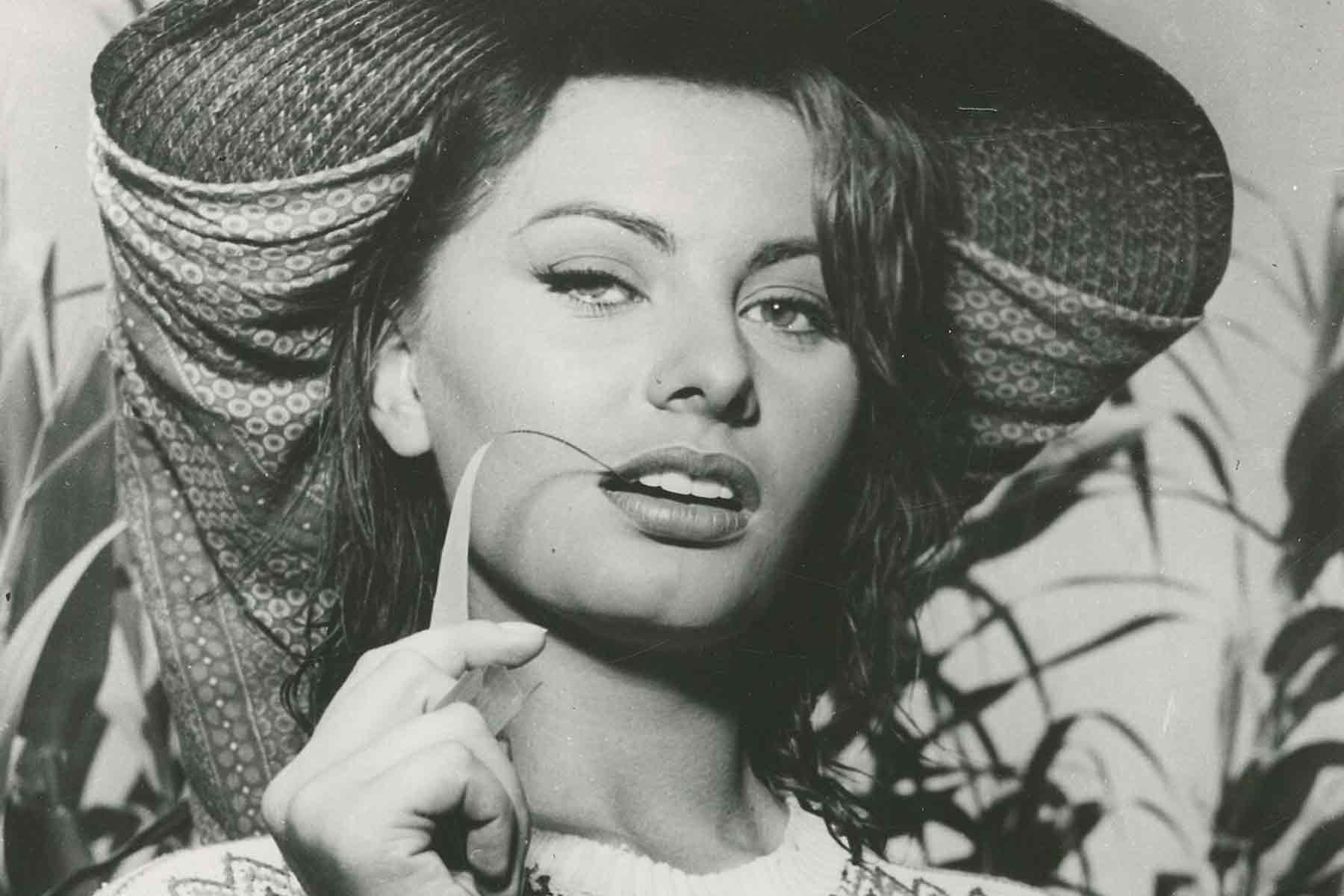
Sophia Loren (b. 1934)
Actress Sophia Loren became one of the world's most iconic Italian people and a symbol of international glamour. She was also a powerhouse actress, winning the Academy Award for Best Actress for her dramatic role in Two Women—the first-ever Oscar given for a non-English-language performance.
Explore Italy's history and language
Reading about these incredible figures is just the beginning. The passion, creativity, and intellect of these famous Italians are woven into the very fabric of their language and history.
If you feel inspired by their stories, why not dive deeper? Learning Italian connects you to the words of Dante, the notes of Verdi, and the soul of this amazing culture. Consider finding a dedicated history tutor or an Italian language teacher to continue your journey and truly understand the legacy these famous Italian people have given to the world.
Whether you're planning Italian travels, studying art history, or simply passionate about these iconic Italian people, structured learning with knowledgeable tutors accelerates your journey. They can recommend resources, answer questions, and tailor lessons to your specific interests.
Using our proprietary cost database, in-depth research, and collaboration with industry experts, we deliver accurate, up-to-date pricing and insights you can trust, every time.