The Most Famous Chemists and Their Contributions to Science
The Most Famous Chemists and Their Contributions to Science

Most famous chemists
The history of chemistry is filled with brilliant minds whose discoveries shaped the modern world. From Antoine Lavoisier to recent Nobel Prize winners, famous chemists have unlocked the secrets of atoms, molecules, and chemical reactions that power everything from life-saving medicines to cutting-edge technology. These renowned chemists revolutionized how we live, work, and understand the universe around us.
This comprehensive guide explores the most notable chemists throughout history, examining their groundbreaking discoveries and lasting impact on science. Whether you're studying chemistry, researching scientific history, or simply curious about the well-known chemists who shaped our world, you'll discover how these extraordinary scientists changed everything we know about the world.
| Chemist | Field | Key contribution | Nobel Prize |
|---|---|---|---|
| Antoine Lavoisier | Fundamental Chemistry | Law of Conservation of Mass | N/A (Pre-Nobel era) |
| Marie Curie | Radioactivity | Discovered radium and polonium | Physics 1903, Chemistry 1911 |
| Dmitri Mendeleev | Periodic Table | Organized elements by properties | Nominated in 1906 |
| Linus Pauling | Chemical Bonding | Nature of chemical bonds | Chemistry 1954, Peace 1962 |
| Dorothy Hodgkin | Structural Chemistry | X-ray crystallography of proteins | Chemistry 1964 |
| Frances Arnold | Biochemistry | Directed evolution of enzymes | Chemistry 2018 |
| Jennifer Doudna | Genetics | CRISPR gene editing | Chemistry 2020 |
| David Baker | Computational Chemistry | Protein design | Chemistry 2024 |
The fathers of modern chemistry
Antoine Lavoisier (1743 – 1794): The father of modern chemistry
Antoine Lavoisier earned his title as the "Father of Modern Chemistry" through revolutionary discoveries that established fundamental chemical principles. His most significant contribution was the Law of Conservation of Mass, which states that matter cannot be created or destroyed in chemical reactions—only transformed.
Lavoisier discovered oxygen's crucial role in combustion and respiration, proved that water is a compound of hydrogen and oxygen, and demonstrated that diamond and charcoal are different forms of carbon. He brought systematic methodology to chemistry, moving the field away from alchemical traditions toward modern scientific practice.
John Dalton (1766 – 1844): Pioneer of atomic theory
John Dalton revolutionized chemistry by proposing the atomic theory that forms the basis of modern chemistry. His theory suggested that every substance consists of atoms, that atoms of each element are identical, and that chemical compounds result from combining atoms of different elements.
Dalton also discovered Gay-Lussac's Law relating gases' temperature, volume, and pressure, and established the law of partial gas pressures. His atomic theory explained why elements combine in specific ratios, providing the theoretical framework for predictive chemistry.
Groundbreaking discoverers of elements and radioactivity
Marie Curie (1867 – 1934): Pioneer of radioactivity research
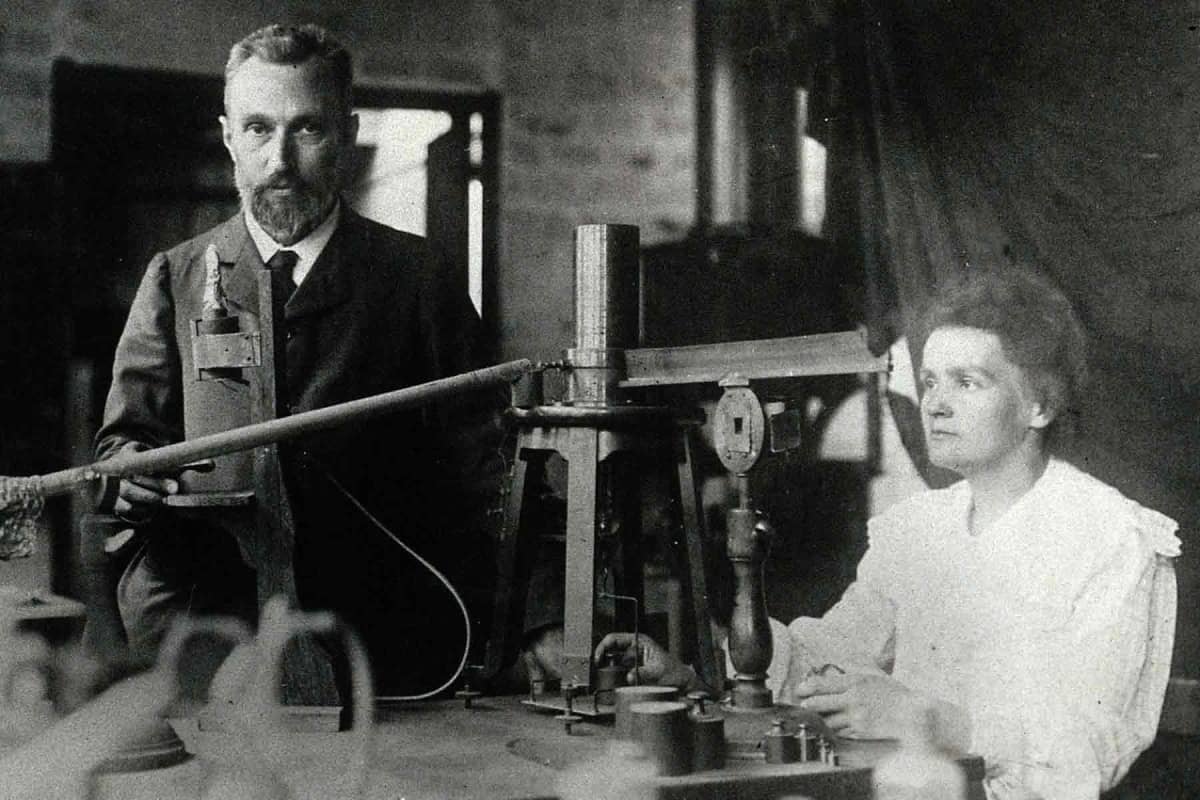
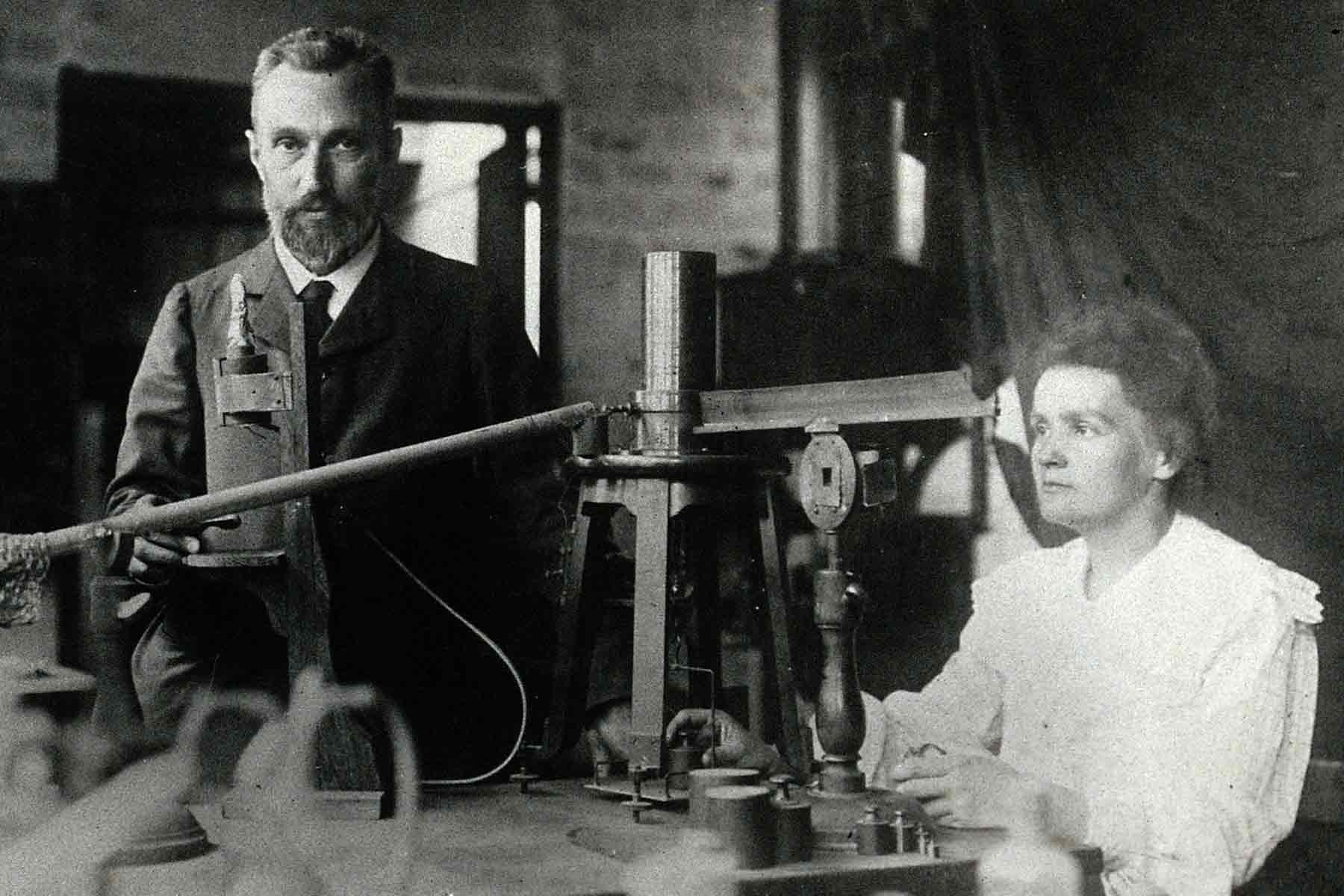
Marie Curie made history as the first woman to win a Nobel Prize, and she is also the only woman to have received Nobel Prizes in two separate scientific fields. She won the Physics Prize in 1903 and Chemistry Prize in 1911, making her one of the most decorated scientists in history.
Curie co-discovered radium and polonium with her husband Pierre and developed techniques for isolating radium from radioactive residues. She conducted the first research into treating tumors with radiation and during World War I developed mobile X-ray units called "Petites Curies" for diagnosing battlefield injuries.
Dmitri Mendeleev (1834 – 1907): Creator of the periodic table
Dmitri Ivanovich Mendeleev discovered the periodic table organization of elements, reportedly in a dream. He used the organizing principles of his periodic system to correctly predict the existence and properties of six new chemical elements that had not yet been discovered.
Mendeleev published his Periodic System in 1869, arranging elements by atomic weight and revealing clear groupings where elements displayed similar properties. Even though many elements hadn't been discovered, his periodic law allowed him to predict missing elements' properties with remarkable accuracy.
Masters of chemical bonding and molecular structure
Linus Pauling (1901 – 1994): The nature of chemical bonds
Linus Pauling stands as one of the greatest scientists of the 20th century, known for his ability to make complex theories accessible. He published groundbreaking research on chemical bonds starting in his late twenties and established five rules describing crystal structures of ionic compounds by age 28.
At 37, Pauling completed his famous textbook, "The Nature of the Chemical Bond," which earned him the 1954 Nobel Prize in Chemistry. This book has been chemistry's most influential work of the 20th century. Pauling essentially invented molecular biology and quantum chemistry, explaining how covalent and ionic bonds form—concepts every chemistry student learns today.
Dorothy Hodgkin (1910 – 1994): Pioneer of X-ray crystallography
Dorothy Hodgkin, a pioneer in X-ray crystallography, won the Nobel Prize in Chemistry for her work in protein crystallography. After earning degrees from Cambridge University, she developed techniques for determining the 3D structures of molecules using X-ray diffraction.
Hodgkin's discoveries of the vitamin B12 structure and penicillin's structure were crucial and remain significant in contemporary structural biology. She became the only British woman to win a Nobel Prize in science, breaking significant barriers for women in scientific research.
Pioneers of organic chemistry and molecular machines
Ernest Rutherford (1871 – 1937): Father of nuclear physics
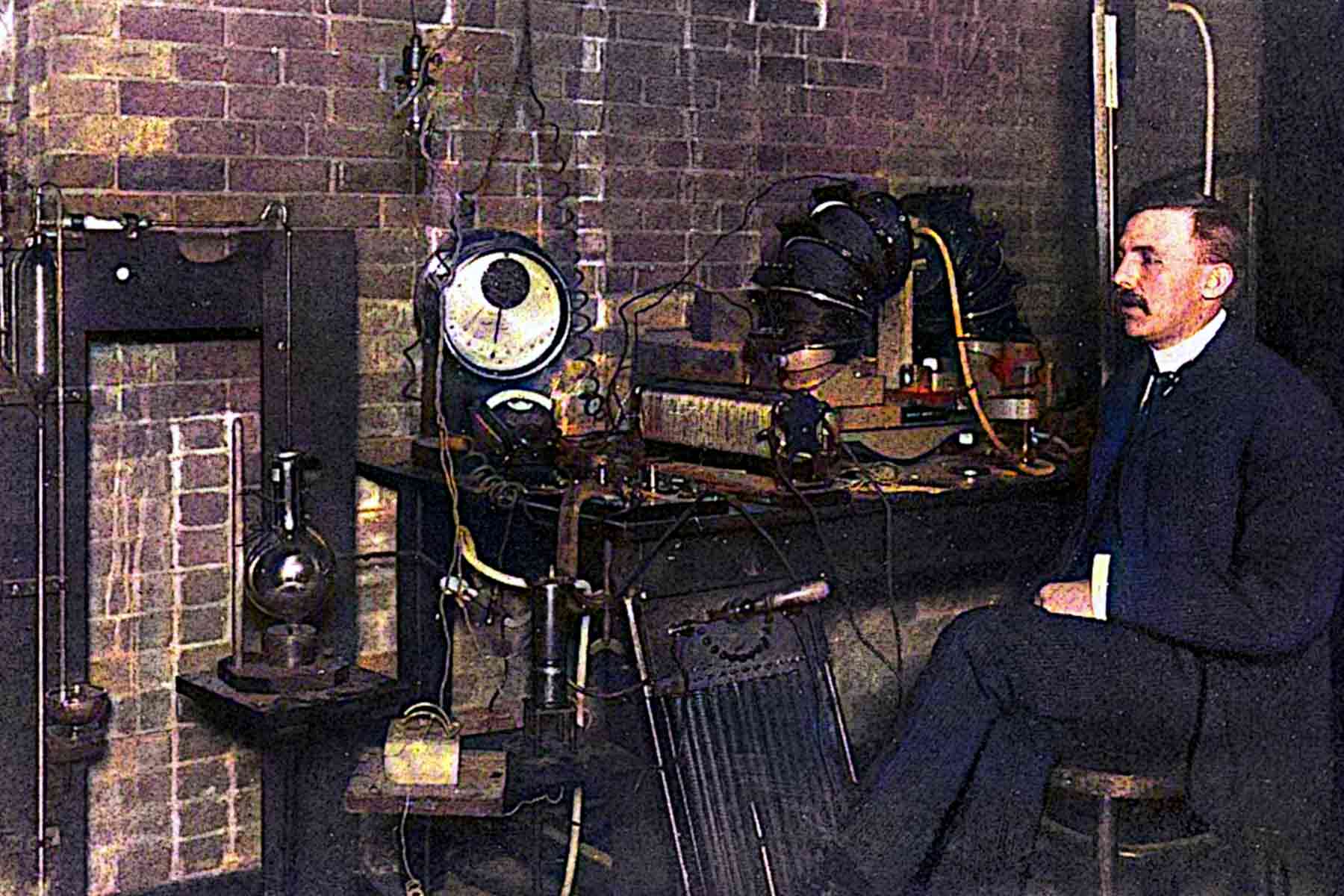
Ernest Rutherford discovered alpha and beta radioactivity and conducted groundbreaking research into atomic structure. Working at the Cavendish Laboratory under J.J. Thomson, he invented instruments for detecting electromagnetic waves and discovered the concept of radioactive half-life.
Rutherford's famous gold foil experiment revealed that atoms have a dense nucleus surrounded by mostly empty space. This discovery revolutionized atomic theory and earned him recognition as the father of nuclear physics, with his work leading to the development of nuclear energy and medicine.
Alfred Nobel (1833 – 1896): Inventor and philanthropist
Alfred Nobel invented dynamite, the blasting cap, gelignite, and ballistite, growing enormously wealthy from manufacturing explosives. Originally intended for construction projects like roads and canals, dynamite had a more destructive history than Nobel anticipated, and legend suggests he felt guilty about this.
He used his fortune to establish annual prizes in chemistry, physics, medicine, literature, and peace that continue to represent the pinnacle of achievement in these fields. Nobel's will specified that prizes should go to those who "confer the greatest benefit on mankind," creating a lasting positive legacy that extends far beyond his inventions.
Modern pioneers and recent Nobel Prize winners
Frances Arnold: Directed evolution of enzymes
Frances Arnold received the 2018 Nobel Prize in Chemistry for developing directed evolution of enzymes, a technique that uses evolutionary principles to create new proteins with desired properties. Her method mimics natural evolution in the laboratory, allowing scientists to evolve enzymes for specific industrial and medical applications.
Arnold broke new ground in protein engineering, demonstrating how biological systems can be harnessed to create environmentally friendly industrial processes. Her work has applications in producing biofuels, pharmaceuticals, and agricultural chemicals with reduced environmental impact.
Emmanuelle Charpentier and Jennifer Doudna: CRISPR gene editing
Emmanuelle Charpentier and Jennifer Doudna shared the 2020 Nobel Prize in Chemistry for developing CRISPR-Cas9, a revolutionary gene-editing tool that allows precise modification of DNA. Their discovery transformed genetic research and opened new possibilities for treating genetic diseases.
The CRISPR system acts like molecular scissors, cutting DNA at specific locations and allowing scientists to insert, delete, or modify genetic material. This tool has made gene editing accessible to laboratories worldwide and continues to drive innovations in personalized medicine and therapeutic development.
David Baker, Demis Hassabis, and John Jumper: Protein structure prediction and design
David Baker received the 2024 Nobel Prize in Chemistry for his work in computational protein design, while Demis Hassabis and John Jumper were also awarded the prize for their use of artificial intelligence in predicting protein structures. Baker succeeded in building entirely new kinds of proteins through computational design.
Hassabis and Jumper developed AlphaFold, an AI model that solved the 50-year-old problem of predicting proteins' complex structures. Their discoveries represent the convergence of chemistry, biology, and artificial intelligence, accelerating research in drug discovery while enabling scientists to create new proteins with specific functions.
Women who changed chemistry
Rosalind Franklin (1920 – 1958): The unsung hero of DNA structure
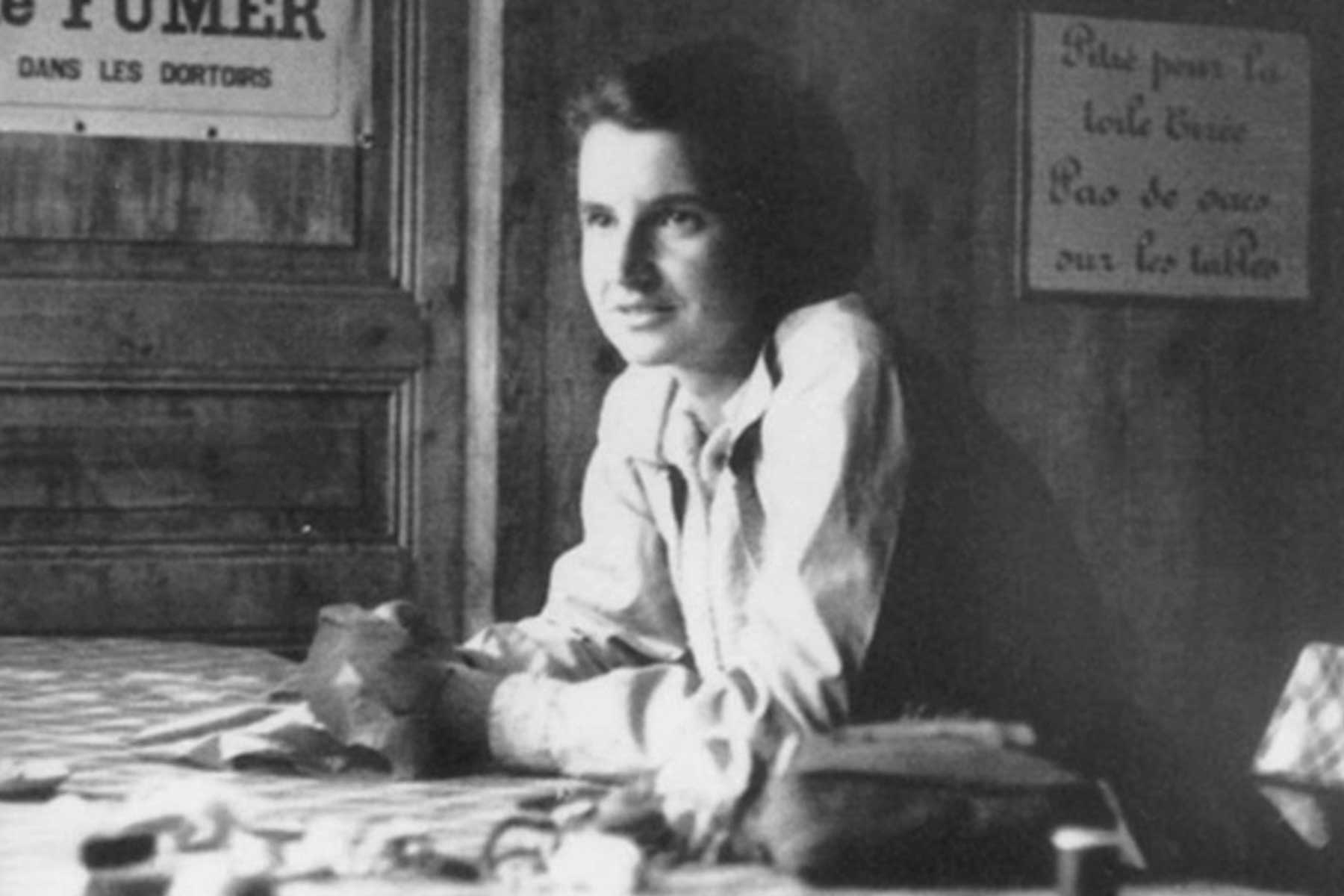
Rosalind Franklin's work on X-ray diffraction images of DNA was crucial in discovering the double helix structure, though she received posthumous recognition for contributions initially overlooked. Her crystallographic work provided key evidence for DNA's helical structure through meticulous experimental analysis.
Unfortunately, her colleague Maurice Wilkins showed her photographs to James Watson without her consent, and Watson and Francis Crick used this data to determine DNA's structure. Despite facing significant gender discrimination, Franklin maintained high scientific standards and made groundbreaking discoveries in structural biology.
Alice Ball (1892 – 1916): Pioneer in medicinal chemistry
Alice Augusta Ball developed the first successful treatment for leprosy in the early 20th century. She became the first African American and first woman to earn a master's degree in chemistry at the University of Hawaii.
Ball's work on chaulmoogra oil, which led to an effective injectable treatment for leprosy, provided hope for patients with this devastating disease. Tragically, Ball died at age 24 before completing her research, though her pioneering work opened doors for future generations of diverse scientists.
Recent breakthroughs and emerging fields
Mario Molina (1943 – 2020): Atmospheric chemistry and ozone depletion
Mario Molina received the 1995 Nobel Prize in Chemistry, along with Paul Crutzen and F. Sherwood Rowland, for research on ozone layer decomposition by chlorofluorocarbons (CFCs). In the 1970s, when CFCs were considered harmless, Molina and colleagues discovered these compounds destroy ozone molecules in the upper atmosphere.
Their findings led to international action restricting CFC use, demonstrating how chemistry research can drive environmental policy. The Montreal Protocol successfully reduced ozone depletion, and scientists with NASA and the National Oceanic and Atmospheric Administration (NOAA) project the ozone layer could fully recover by 2066.
Barry Sharpless (Born 1941): Click chemistry revolution
K. Barry Sharpless shared the 2022 Nobel Prize in Chemistry with Carolyn Bertozzi and Morten Meldal for developing click chemistry and bioorthogonal chemistry. Notably, Sharpless had previously won the Nobel Prize in Chemistry in 2001, making him one of only two people to win the chemistry prize twice.
Click chemistry involves reactions that occur quickly and reliably under simple conditions, allowing scientists to connect molecular building blocks efficiently. This approach has revolutionized drug discovery and materials science, becoming essential tools for pharmaceutical development and chemical biology research.
The impact and legacy of famous chemists
The discoveries made by these renowned chemists continue to shape modern science and technology. From Lavoisier's fundamental laws to innovative AI-driven protein design, each generation builds upon previous achievements while pushing the boundaries of what's possible.
These well-known chemists demonstrate that breakthrough discoveries often require combining existing knowledge in novel ways, whether through Mendeleev's systematic organization of elements or modern computational approaches. Their work shows how chemistry serves as a bridge between theoretical understanding and practical applications that benefit humanity.
Take your chemistry knowledge further
Inspired by these remarkable chemists and their groundbreaking discoveries? Whether you're struggling with basic concepts like chemical bonding or exploring advanced topics like computational chemistry, personalized tutoring can help you master the subject that these famous scientists dedicated their lives to advancing.
Professional chemistry tutors can guide you through complex topics, from understanding Mendeleev's periodic table to grasping modern molecular biology concepts. Visit Lessons.com to connect with experienced chemistry tutors who can help you develop the same analytical thinking and problem-solving skills that made these renowned chemists so successful.
Using our proprietary cost database, in-depth research, and collaboration with industry experts, we deliver accurate, up-to-date pricing and insights you can trust, every time.