
10 Famous Tap Dancers: Legends Who Shaped the Art
10 Famous Tap Dancers: Legends Who Shaped the Art

Famous tap dancers
The clicking, syncopated rhythms of famous tap dancers have captivated audiences for over a century. From vaudeville stages to Hollywood's golden age and beyond, these performers transformed simple footwork into an electrifying art form that continues to inspire dancers worldwide.
This article explores the best tap dancers of all time, including famous male tap dancers and iconic women whose footwork changed entertainment forever.
| Name | Why they're famous | Peak era |
|---|---|---|
| Bill "Bojangles" Robinson | Light, upright style; Hollywood breakthrough | 1920s – 1940s |
| Fred Astaire | Elegant film choreography | 1930s – 1950s |
| The Nicholas Brothers | Acrobatics and "flash dancing" | 1930s – 1950s |
| Eleanor Powell | Athletic, powerhouse technique | 1930s – 1940s |
| Honi Coles | Sophisticated "class act" speed and clarity | 1940s – 1970s |
| Bunny Briggs | Legendary improviser and rhythmic soloist | 1950s – 1980s |
| Gregory Hines | Reviving tap for modern audiences | 1970s – 2000s |
| Savion Glover | Hip-hop-influenced "hitting" style | 1990s – present |
| Sammy Davis Jr. | Triple-threat entertainer and tap innovator | 1930s – 1980s |
| Gene Kelly | Athletic and cinematic tap | 1940s – 1960s |
What makes a tap dancer truly great?
Tap dancing has evolved for over 150 years, from its roots in the fusion of African American rhythmic traditions (such as the Juba) and European step dances (like the Irish jig). This vibrant cultural exchange led to the rise of vaudeville, Broadway, and Hollywood musicals. The greatest tap dancers are the artists who:
Innovated new tap styles and techniques
Expanded tap into new music and media
Broke racial, social, or creative barriers
Inspired future generations worldwide
Below, we shine a spotlight on the icons who helped shape tap into what it is today.
Bill "Bojangles" Robinson: The tap pioneer
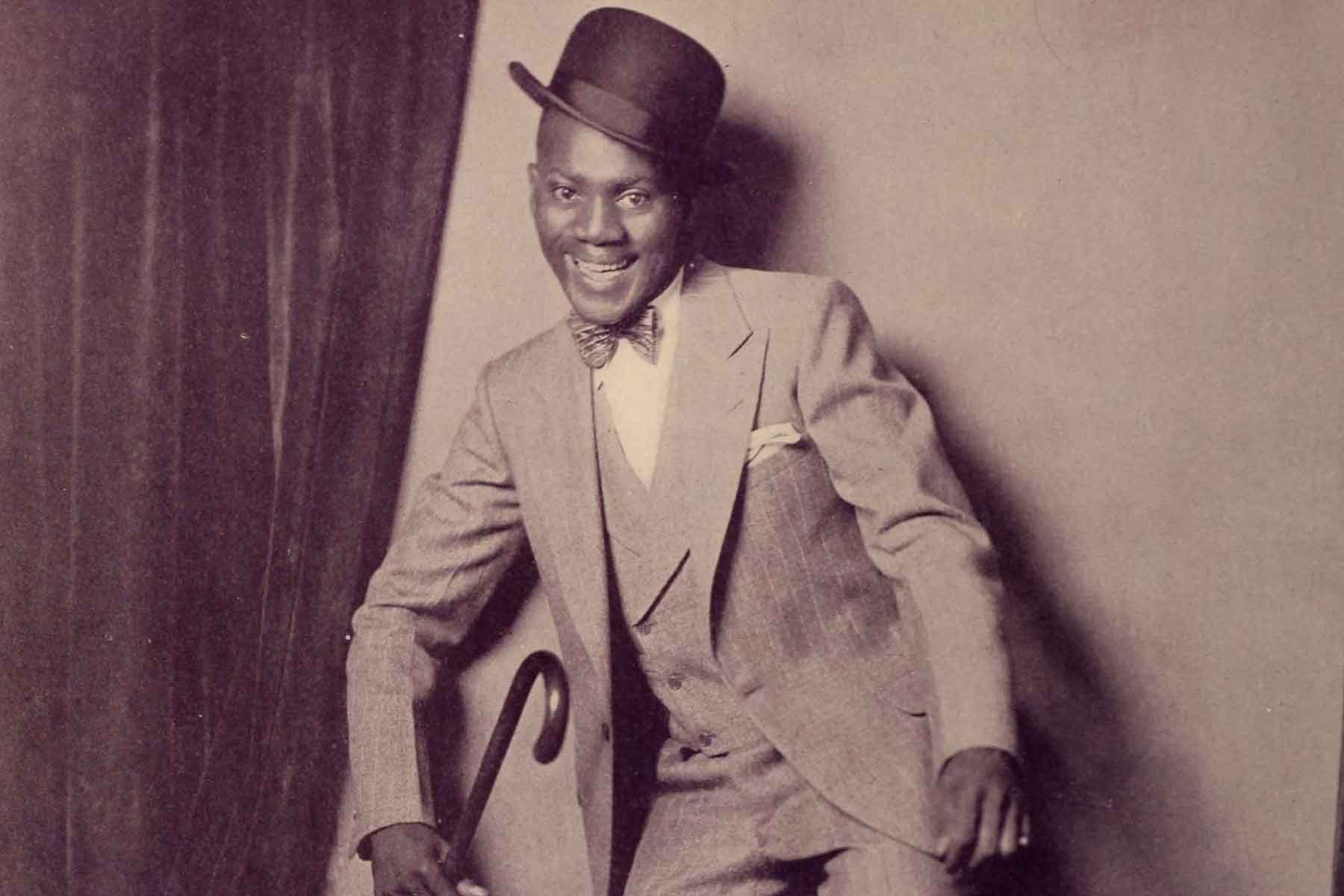
When discussing the best tap dancers of all time, Bill "Bojangles" Robinson sits firmly at the top. Born in 1878, Robinson earned his crown through sheer virtuosity and innovation. He revolutionized tap by dancing primarily on his toes rather than flat-footed, creating a lighter, more elegant style that became his signature.
Robinson's famous stair dance showcased his remarkable ability to produce different pitches and rhythms on each step. As the highest-paid African American entertainer of his era, he broke racial barriers and opened doors for future generations. His influence was so profound that May 25th, his birthday, is celebrated as National Tap Dance Day.
Fred Astaire: The definition of elegance
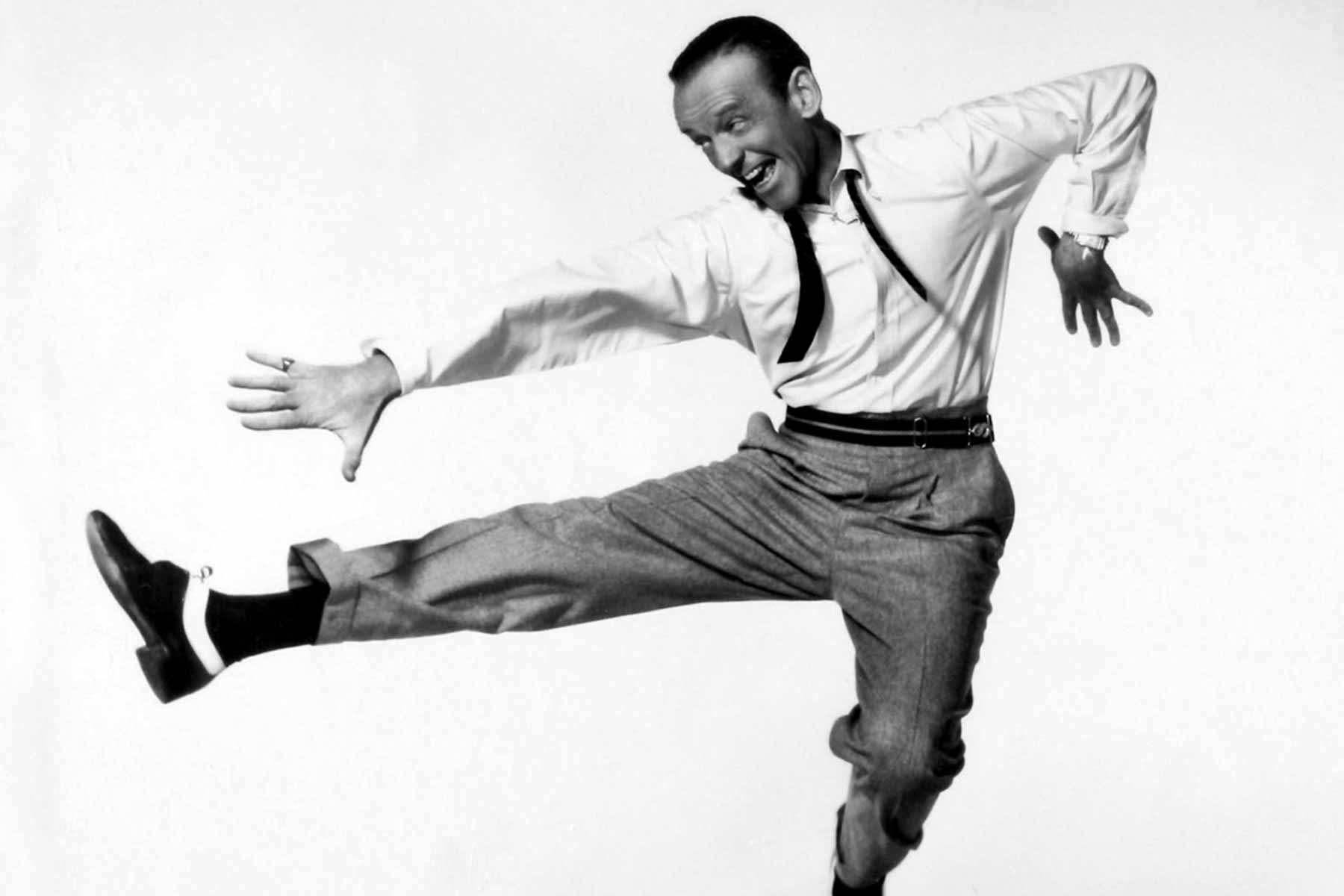
Fred Astaire redefined what tap dancing could be. Born in 1899, he combined ballroom dancing with tap techniques to create a sophisticated style that looked effortless yet required extraordinary skill. His attention to every detail made him one of the greatest tap dancers in history.
Astaire's partnership with Ginger Rogers produced cinema's most memorable dance sequences. Their chemistry in films like "Swing Time" set the standard for dance musicals. His 76-year career included more than 40 films, and his influence on tap dancing remains immeasurable.
The Nicholas Brothers: Boundary-breaking acrobatics
Fayard and Harold Nicholas took tap dancing to breathtaking new heights. These famous male tap dancers combined tap with acrobatics in ways that seemed to defy physics. Their routine to "Jumpin' Jive" in the 1943 film "Stormy Weather" is widely considered the greatest dance number ever filmed.
The brothers would leap over each other, land in splits, and bounce back up without using their hands—all while maintaining perfect rhythm. Despite facing racial barriers in Hollywood, they earned universal acclaim. Their influence extends to modern performers including Michael Jackson and Savion Glover.
Eleanor Powell: Hollywood's tap powerhouse
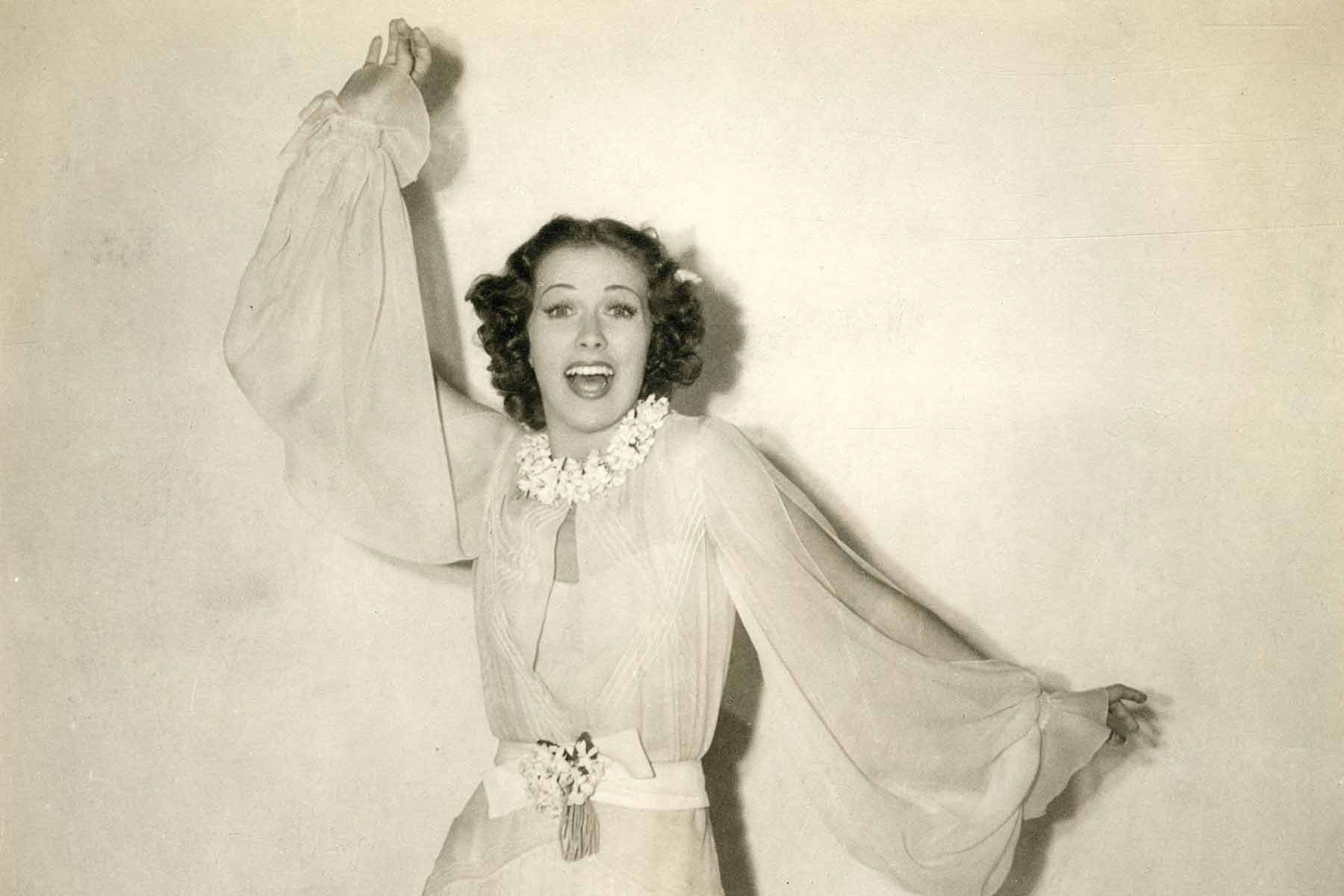
Among famous female tap dancers, Eleanor Powell stands unmatched. She earned the title "World's Greatest Tap Dancer" from the Dance Masters of America in 1965—not "female tap dancer," simply "tap dancer." Powell brought an athletic, aggressive style that was unprecedented for female dancers of the 1930s and 1940s.
Fred Astaire praised her technique, noting she danced like no one else. Her powerful footwork could reportedly reach 500 taps per minute in MGM musicals like "Born to Dance" and "Broadway Melody of 1940." Powell proved that women could dominate the tap stage with the same intensity as their male counterparts.
Charles "Honi" Coles: The class act master
Charles "Honi" Coles (1911 – 1992) personified the "class act" style of tap, characterized by impeccable manners, elegant costumes, and extraordinary technical mastery. Performing in the great jazz clubs and theaters of the 1930s and 40s, his dancing was known for its blazing speed and crystal-clear clarity—every tap, riff, and rhythm was distinct and perfect.
Coles was a mentor to many younger dancers and played a crucial role in preserving the art form's legacy. He also had a celebrated partnership with rhythm tap master Cholly Atkins, proving that tap could be both technically dazzling and dramatically subtle.
Bunny Briggs: The improvisational genius
Harold "Bunny" Briggs (1922 – 2014) was one of the greatest rhythmic soloists in tap history. A child prodigy who began dancing in the 1930s, Briggs was revered for his spontaneity and his ability to hold a stage with pure rhythmic invention.
Briggs was famous for his high-energy, infectious style that made him a favorite on the Broadway and nightclub circuits. He was a master improviser who could match wits with the greatest jazz musicians of his time, proving that the tap dancer's feet could be a melodic and rhythmic instrument as complex as any drum or horn.
Gregory Hines: The tap renaissance leader
By the 1970s, tap dancing had largely faded from popular culture. Gregory Hines changed that. Born in 1946, Hines spearheaded tap's revival and brought it into the modern era with his improvisational style and infectious energy. He designed amplified portable stages that ensured tap dancers could be heard over loud music.
His Broadway performances earned him four Tony Award nominations and one win. Films like "White Nights" and "Tap" introduced his artistry to millions. Hines mentored the next generation of dancers, ensuring tap's traditions would continue evolving.
Savion Glover: Tap for the 21st century
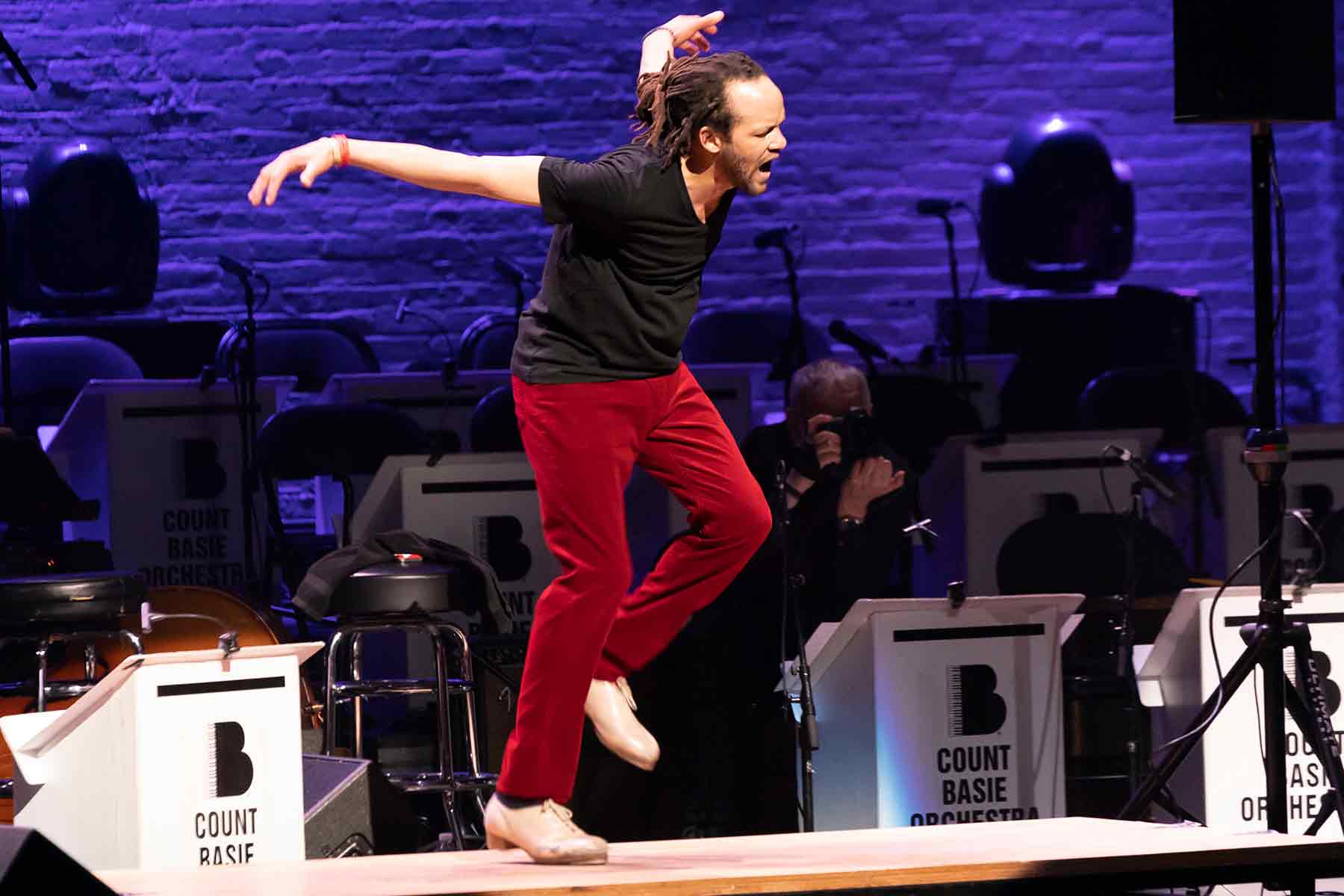
Savion Glover represents tap dancing's contemporary evolution. Born in 1973, Glover developed a style he calls "hitting"—pounding the floor with intensity to create deep, resonant sounds. He made his Broadway debut at age 11 in "The Tap Dance Kid" and received a Tony nomination at 15.
His groundbreaking musical "Bring in 'da Noise, Bring in 'da Funk" brought tap to a new generation by incorporating hip-hop rhythms. Gregory Hines called Glover "possibly the best tap dancer that ever lived." Today, he continues teaching through his HooFeRzCLuB School for Tap.
Sammy Davis Jr.: The ultimate entertainer
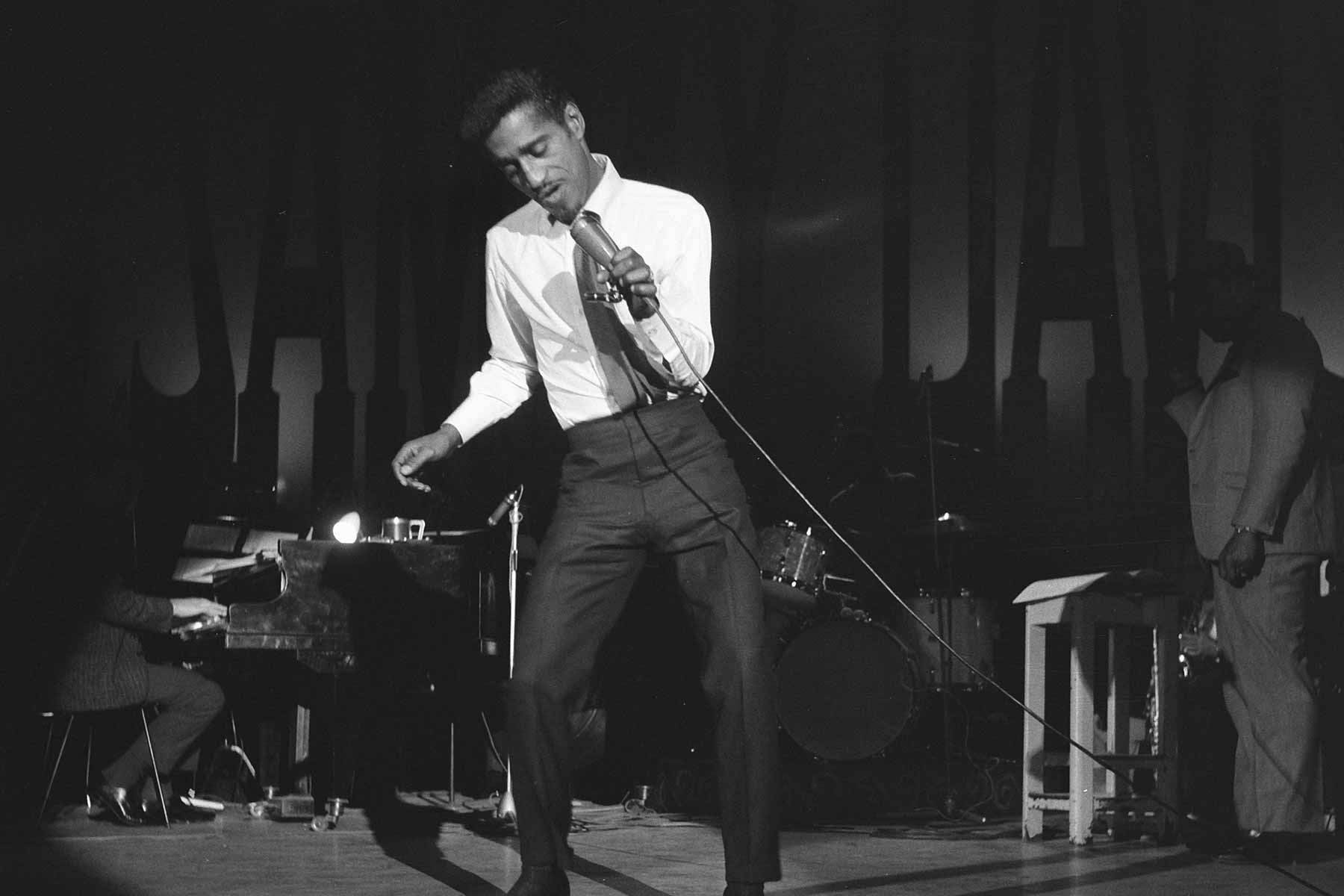
Sammy Davis Jr. was a triple threat who excelled at singing, acting, and tap dancing. Born in 1925, he began performing at age three and became one of the most versatile entertainers in American history. His tap dancing skills were extraordinary, blending technical precision with charismatic showmanship.
Davis broke racial barriers as part of the Rat Pack and starred in films like "Ocean's 11." He appeared in the film "Tap" alongside Gregory Hines in one of his final performances. His influence on tap dancing and entertainment as a whole remains significant, proving that the best tap dancers could also be complete performers.
Gene Kelly: Hollywood's golden boy
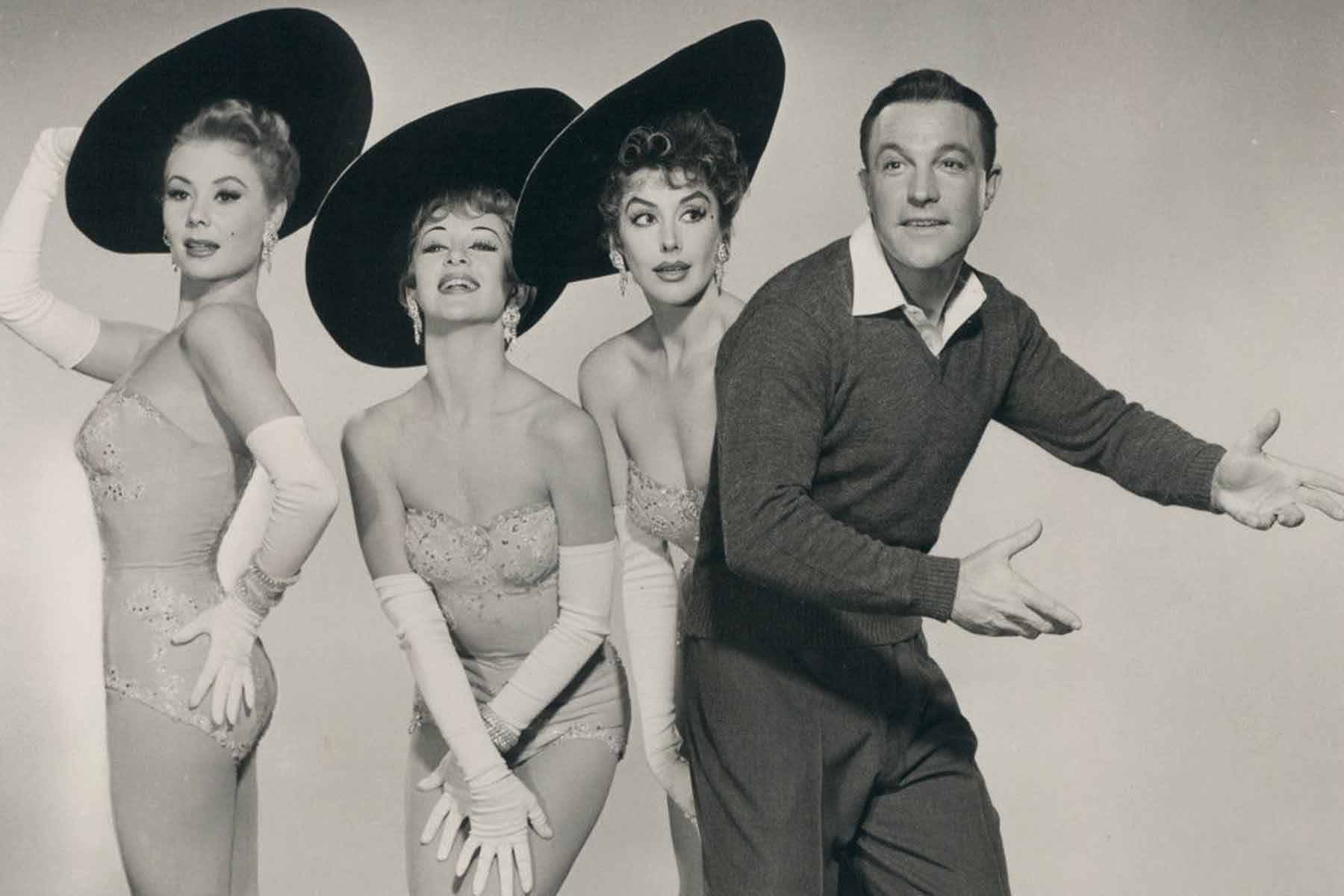
Gene Kelly brought a uniquely athletic and masculine energy to tap dancing. His style was grounded and powerful, emphasizing strength and bold movements. While often associated with ballet-influenced choreography, Kelly's tap work showcased impressive skill and innovation.
His iconic performance in "Singin' in the Rain" remains one of cinema's most recognizable dance sequences. Kelly made tap dancing look joyous and accessible, inspiring countless people to try dancing themselves.
More famous female tap dancers worth noting
While Eleanor Powell is the sole female representative in our list of top 10 innovators, the Golden Age of Hollywood featured other female tap stars who captivated audiences and defined the era's glamour:
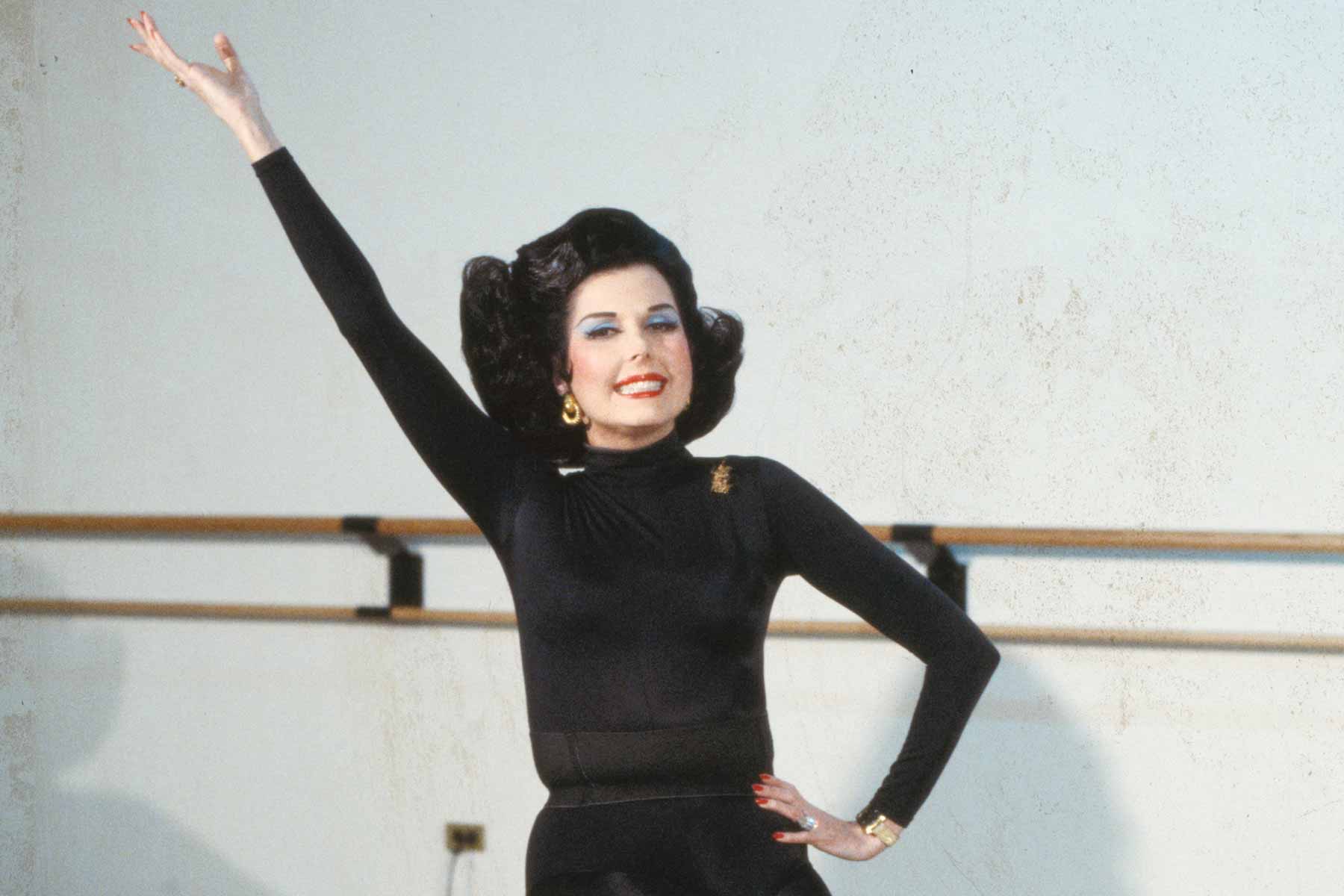
Ann Miller: Known for her signature glamour and extraordinary speed. She was often featured in MGM musicals, inheriting the mantle of Hollywood's fastest female tapper in the 1940s and 50s with her distinctive high-speed footwork.
Ginger Rogers: Renowned for her sophisticated ballroom and tap routines alongside Fred Astaire. She proved that technical complexity could be mastered while maintaining grace, famously doing everything Astaire did, "but backwards and in high heels."
Ruby Keeler: A seminal Broadway and film star of the early 1930s (e.g., 42nd Street). Her innocent, high-energy tap style, often focused on rhythmic shuffles and clear steps, defined the tap aesthetic for the emerging Busby Berkeley movie musical era.
Shirley Temple: Though a child star, her cheerful and rhythmic tap routines with Bill "Bojangles" Robinson in films like The Little Colonel were immensely popular and introduced the art form to a vast audience, showcasing a rare example of a prominent interracial dance partnership in the 1930s.
Modern masters carrying the tradition forward
Contemporary tap dancing thrives thanks to performers who honor tradition while pushing boundaries. Chloe Arnold, founder of the all-female group Syncopated Ladies, has garnered over 100 million views online. Michelle Dorrance earned a MacArthur "Genius Grant" for her innovative choreography.
These modern dancers prove that tap remains a living, evolving art form. They draw inspiration from the greatest tap dancers while creating something entirely new for today's audiences.
Learn to tap dance
If you're inspired by these famous tap dancers, why not step into their shoes? Tap dance builds rhythm, confidence, and fitness, plus it's a lot of fun. Whether you dream of dazzling on stage or just want to try something new, tap dance classes offer a welcoming community and expert guidance.
Find a local tap dance studio or join a class and soon you'll be dancing your way into the legacy of the greatest tap dancers!
Using our proprietary cost database, in-depth research, and collaboration with industry experts, we deliver accurate, up-to-date pricing and insights you can trust, every time.