
Famous Pianists: The Best Pianists of All time
Famous Pianists: The Best Pianists of All time

Best pianists of all time
From the concert halls of 18th-century Vienna to today's modern stages, famous pianists have shaped how we experience music. Whether you're a piano enthusiast or simply curious about the greatest performers in history, this guide explores some of the best pianists who have defined the art of piano playing across generations.
What makes a great pianist?
The best piano players combine exceptional technical skill with deep musical understanding. They master complex fingering, maintain impeccable timing, and achieve a dynamic range that brings compositions to life.
Beyond technique, famous piano players possess an interpretive artistry that allows them to communicate the composer's intentions while adding their own emotional depth. The greatest pianists also innovate, whether through groundbreaking performances, new interpretations of classical works, or expanding the instrument's possibilities.
Composer-pianists who shaped the instrument
Some of history's most influential pianists were also brilliant composers who fundamentally changed how we think about the piano. These artists created new works that pushed the boundaries of what the instrument could do.
Ludwig van Beethoven (1770 – 1827)
Beethoven stands as one of the most influential figures in music history. As a pianist, he was known for his powerful, innovative playing style that broke from the refined approach of his predecessors.
By his late twenties, as his hearing loss worsened, Beethoven withdrew from public performance but continued composing with unmatched vision. His 32 piano sonatas, including the famous "Moonlight Sonata" and "Pathétique," remain cornerstones of the repertoire and influenced every generation that followed.
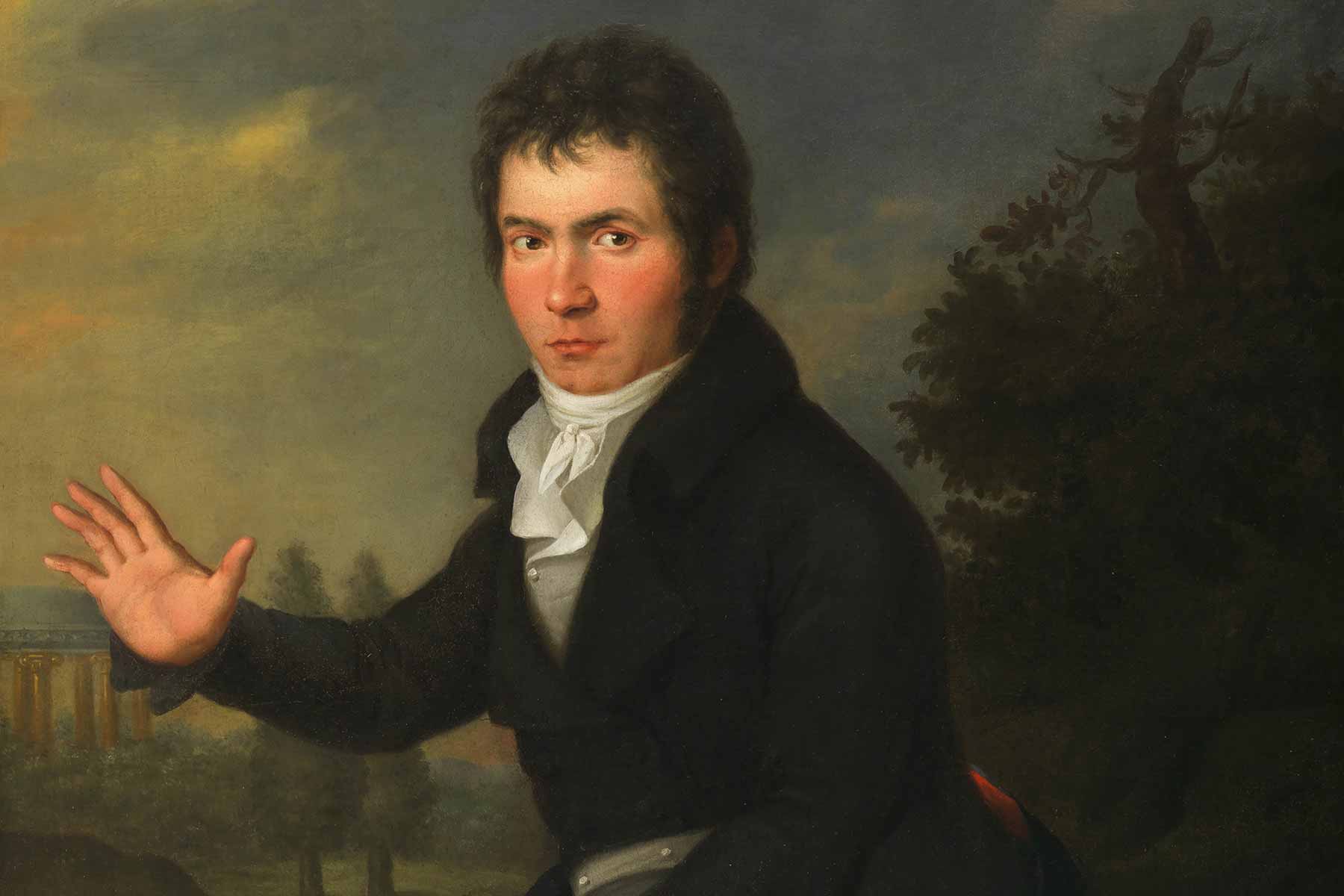
Wolfgang Amadeus Mozart (1756 – 1791)
Mozart's brilliance was evident in early childhood; he was already composing at five and performed for royalty throughout Europe a year later. While his playing was greatly admired, his enduring fame is tied primarily to his compositions.
Mozart wrote 27 piano concertos (though some early ones are adaptations) and his works are models of Classical style, elegance, and melodic invention. Piano Concerto No. 20 demonstrates his dramatic flair, while Sonata No. 16 reflects his wit.
Frédéric Chopin (1810 – 1849)
The Polish-born Chopin devoted nearly his entire creative life to the art of the piano through performing, teaching, and composing. Contemporary accounts describe his playing as uniquely intimate and poetic, notable for delicate rubato and subtle lyricism.
Chopin's music, including nocturnes, études, and ballades, turned the piano into a vehicle for unmatched poetry and refinement. His technical innovations, such as extended fingerings and new approaches to pedaling, revolutionized piano technique.
Franz Liszt (1811 – 1886)
Liszt was the rock star of the 19th century. His concerts created such hysteria among fans that the term "Lisztomania" was coined to describe the phenomenon. Women fainted at his performances, and his appearances sparked near-riots.
As a pianist, Liszt was unmatched in technical brilliance. His compositions, including the Hungarian Rhapsodies and Transcendental Études, pushed virtuosity to new extremes. He popularized the solo recital, often performing entire programs from memory, and redefined the public image of the concert pianist.
Sergei Rachmaninov (1873 – 1943)
Rachmaninov had unusually large hands, comfortably spanning wide chords, which aided his formidable technique and Romantic expression. After fleeing the Russian Revolution in 1917, he became a touring pianist. His recordings reveal crystalline clarity, perfect control, and profound depth.
Rachmaninov's performances of his own works were often more restrained than others' interpretations. His Piano Concerto No. 2 has become one of the most beloved works in the repertoire, and his recordings remain touchstones for pianistic excellence.
The 20th century virtuosos
The 20th century brought recording technology, which preserved the artistry of these magnificent performers for future generations. These pianists defined what technical and interpretive excellence meant in the modern era.
Vladimir Horowitz (1903 – 1989)
Horowitz became one of the most celebrated pianists of the 20th century, renowned for his extraordinary expressive range and power. Born in Ukraine, he left the Soviet Union in 1925 and became an American citizen. His 1928 Carnegie Hall debut brought instant fame.
Horowitz possessed incredible expressive range, making the piano whisper delicately or roar with power within the same phrase. His interpretations of Romantic composers set the standard. After a 12-year hiatus from performing, his 1965 Carnegie Hall comeback became one of the most celebrated events in piano history.
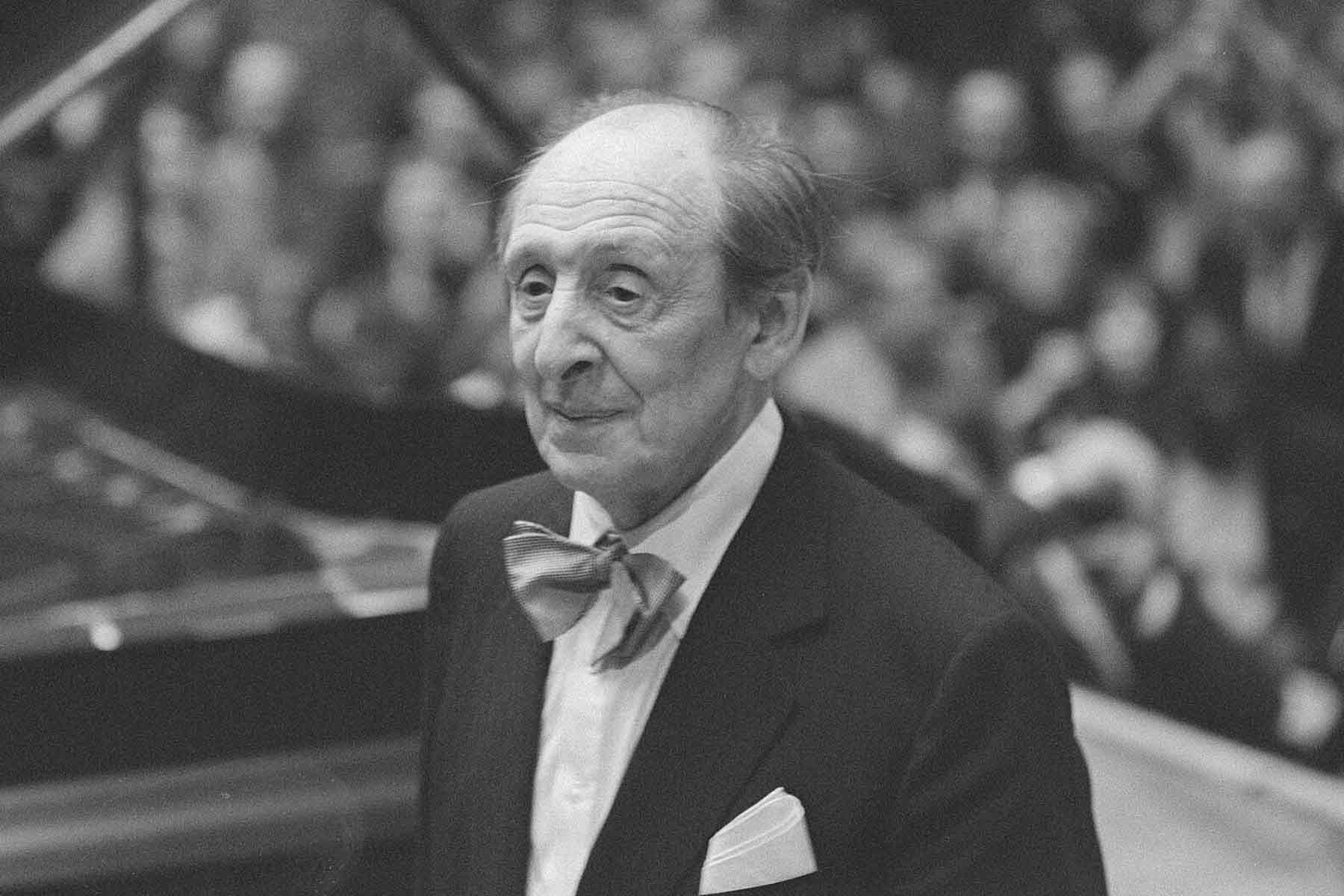
Arthur Rubinstein (1887 – 1982)
The Polish American pianist Arthur Rubinstein is widely regarded as the finest interpreter of Chopin's music. Discovered to have perfect pitch at age two, he made his debut with the Berlin Philharmonic at just 13.
What set Rubinstein apart was his profound musical understanding combined with technical mastery. The New York Times described his sound as one "that glows." His charismatic personality infused performances with warmth. His career spanned eight decades.
Glenn Gould (1932 – 1982)
The eccentric Canadian pianist Glenn Gould divided opinion like few others. His 1955 recording of Bach's Goldberg Variations became an instant classic and remains a benchmark interpretation. Gould was famous for his unconventional performance habits; he hummed audibly while playing, performed hunched over an extremely low chair, and had exacting demands for concert hall temperatures.
At age 31, he retired from public performance entirely to focus on studio recordings, believing they offered greater artistic control. His analytical, unconventional interpretations of Bach, paired with his retreat to recording, made him one of the most original and influential pianists of the century.
Sviatoslav Richter (1915 – 1997)
Russian pianist Richter possessed one of the most extensive repertoires in piano history. He approached each work with architectural understanding and intellectual rigor. He believed the performer should serve the composer's intentions faithfully.
Richter's recordings span from Bach to contemporary composers. Though prevented from touring extensively in the West during the Cold War, his performances were events of major significance. His 1960s live recordings reveal monumental artistry.
Martha Argerich (b. 1941)
Argerich burst onto the international scene winning the 1965 Chopin Competition at age 24. Sixty years later, she remains one of the greatest living pianists. Her playing combines ferocious technical command with spontaneous interpretations.
She's known for rarely performing a piece the same way twice. In recent decades, Argerich has mostly avoided solo recitals, preferring chamber music and concertos. Her performances sell out venues within minutes.
Contemporary piano masters
Today's generation of pianists builds on centuries of tradition while bringing fresh perspectives and reaching new audiences through modern technology and global connectivity.
YouTube and streaming have reshaped audience access and allowed online pianists to rise to fame for the first time.
Lang Lang (b. 1982)
Chinese pianist Lang Lang has transformed classical music's relationship with popular culture. His charismatic stage presence has inspired millions to take up piano, often referred to as "the Lang Lang effect." His breakthrough came at age 17.
Lang performs everywhere from Carnegie Hall to the Olympics, bringing classical music to new audiences. Critics debate his interpretive choices, but none question his phenomenal technique or impact on making piano relevant to younger generations.
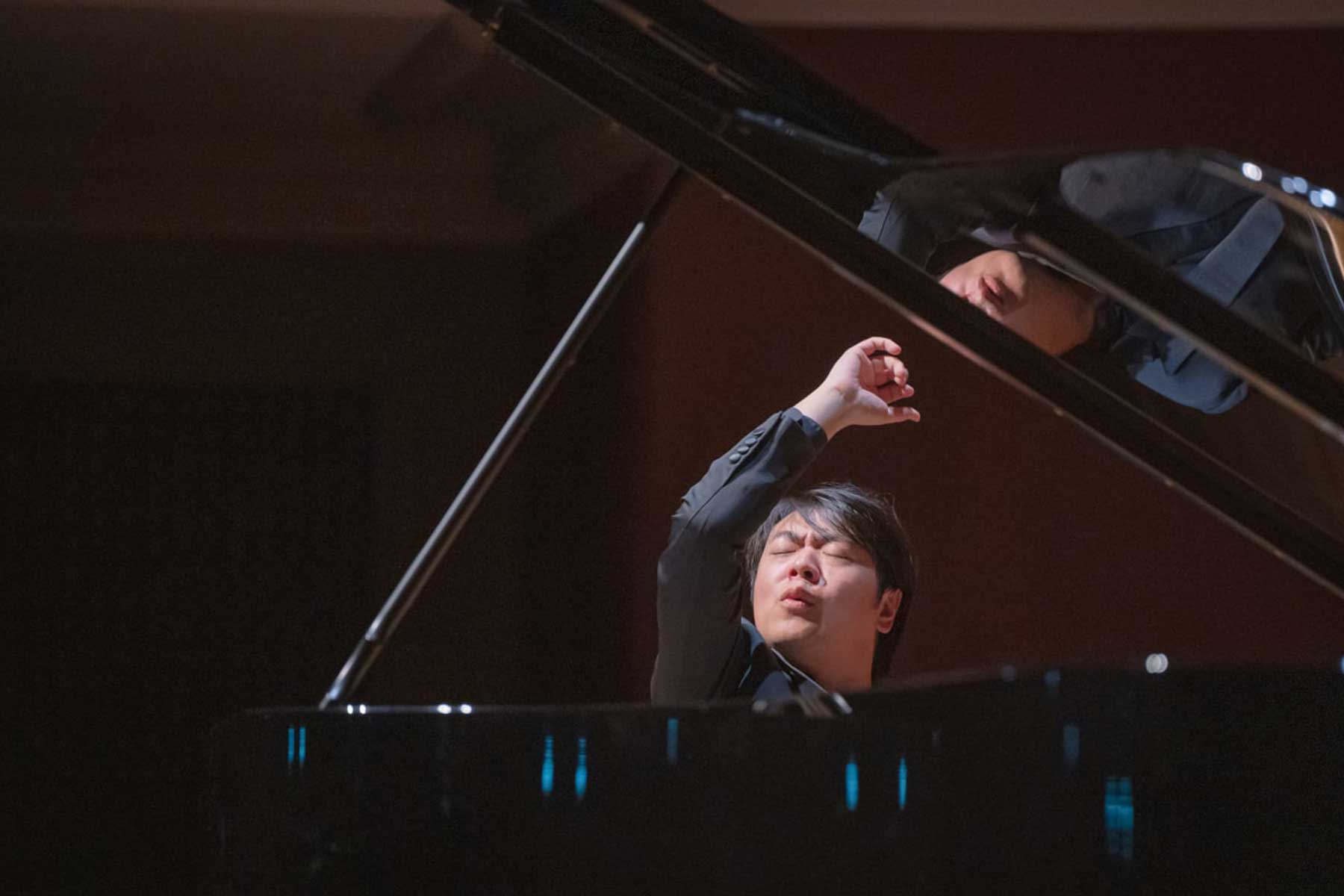
Yuja Wang (b. 1987)
Chinese pianist Yuja Wang represents a new breed of classical artist. She is technically astounding, glamorous, and unafraid to challenge conventions. Her breakthrough came at age 20 when she replaced Martha Argerich on short notice in Boston.
Wang tackles everything from Beethoven to contemporary works with equal authority. She is acclaimed for dazzling performances of works like Rachmaninov's Third Piano Concerto that some call legendary. Wang embraces fashion and celebrity culture while never compromising artistic integrity.
Daniil Trifonov (b. 1991)
Russian-born Trifonov attained global fame after winning the Rubinstein Competition and the Tchaikovsky Competition in 2011, following a third-place finish at the 2010 Chopin Competition. Known for his vivid interpretations and intense musicality, Trifonov is also recognized for his growing compositional output.
Trifonov excels in Romantic repertoire, particularly Liszt, Chopin, and Rachmaninov, but also performs contemporary music with conviction. Critics praise this performer-composer for his vivid imagination and thrilling interpretations that place him among the finest pianists.
Pioneering women pianists
Throughout history, women pianists have overcome significant barriers to achieve greatness, often outshining their male contemporaries despite facing limited opportunities.
Clara Schumann (1819 – 1896)
In the male-dominated 19th century, Clara Schumann was a true superstar. She was far more accomplished as a performer than her husband Robert, who was primarily a composer. Clara's artistry made her one of the leading virtuosos of the 19th century. She was the family's primary breadwinner through concerts while raising eight children.
One critic wrote that "in her creative hands, the most ordinary passage acquires significant meaning." Clara championed her husband's works after his death and continued performing into her seventies, earning recognition as one of the century's leading pianists.
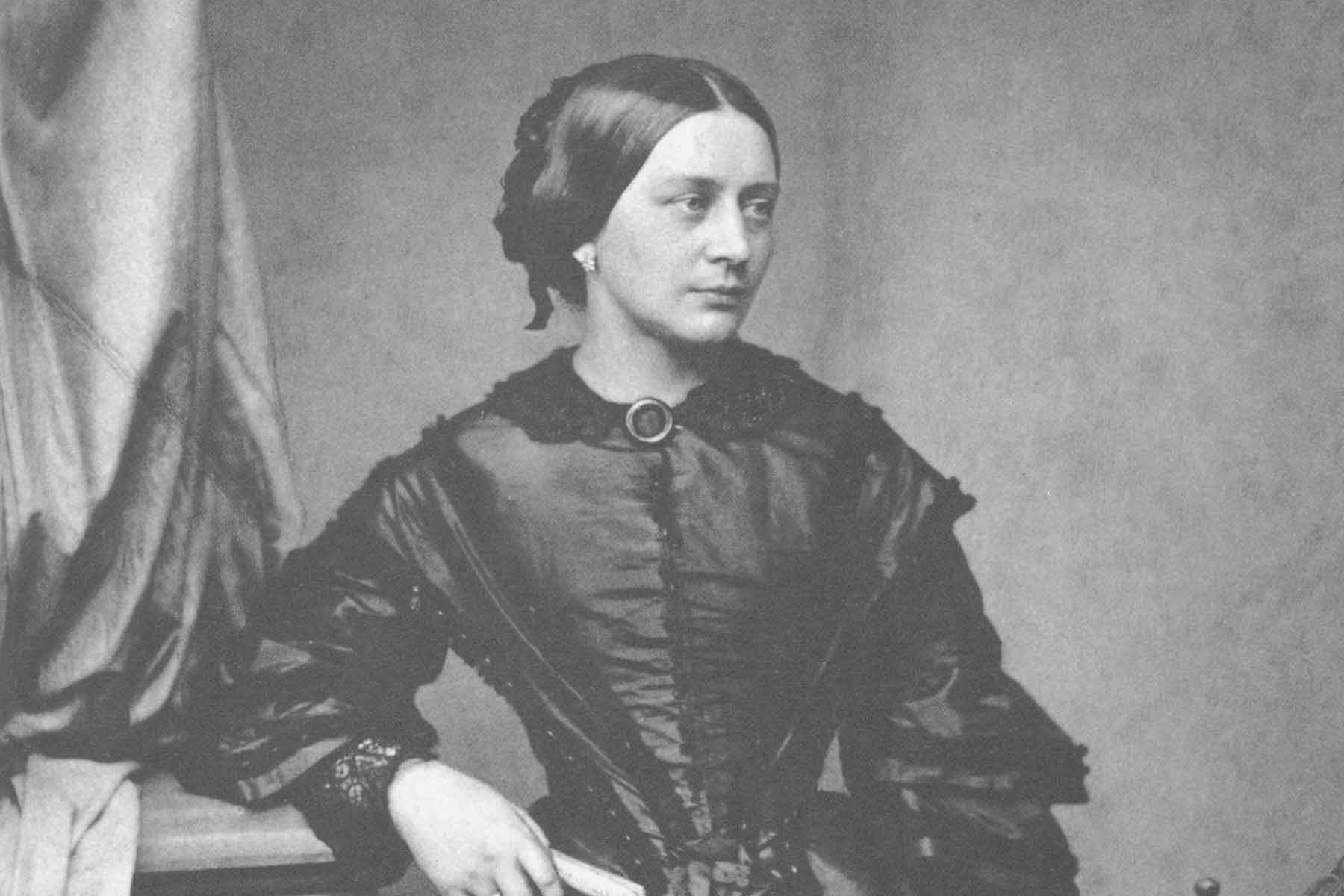
Myra Hess (1890 – 1965)
Dame Myra Hess was an outstanding British pianist whose wartime efforts brought her legendary status. During World War II, when London's concert halls closed at night, she organized and performed in a series of over 1,600 lunchtime concerts at the National Gallery, offering solace and inspiration to the public.
Her interpretations of Bach, Mozart, and Brahms were noted for their clarity, depth, and nobility of tone.
The technical mastery behind great pianism
What separates competent pianists from the best pianists in history? Several technical elements define truly exceptional players:
Finger independence allows each finger to move precisely while others remain still, which is essential for complex polyphonic passages.
Touch control enables pianists to produce everything from thunderous fortissimos to barely audible pianissimos.
Pedaling technique adds color and sustain while avoiding muddy sound.
The greatest pianists also possess exceptional hand-span capabilities and develop custom fingerings for difficult passages.
Beyond pure mechanics, the best piano players develop what pedagogues call "singing tone," or the ability to make the piano sound vocal and lyrical despite being a percussion instrument. This involves precise control of attack, weight transfer, and understanding of the instrument's resonance.
Begin your piano journey today
The famous pianists featured in this article all started as beginners with a dream. Whether you aspire to perform on concert stages or simply want to enjoy playing for yourself, quality instruction makes all the difference. Working with an experienced teacher can accelerate your progress and help you avoid developing bad habits.
Ready to explore the piano for yourself? Find qualified piano instructors near you or connect with an online piano teacher to begin your own musical journey. It all starts with that first lesson!
Using our proprietary cost database, in-depth research, and collaboration with industry experts, we deliver accurate, up-to-date pricing and insights you can trust, every time.